Solenoid valves are widely used in various industrial and commercial applications for controlling the flow of liquids and gases. However, one common challenge that users often encounter is pressure fluctuations when using these valves. As a solenoid valve supplier, I have dealt with numerous clients facing this issue. In this blog post, I will share some effective strategies on how to deal with pressure fluctuations when using a solenoid valve.


Understanding the Causes of Pressure Fluctuations
Before delving into the solutions, it is crucial to understand the root causes of pressure fluctuations. Some of the primary factors include:
System Demand Variations
The pressure in a system can change significantly based on the demand for the fluid or gas. For instance, in a manufacturing process where the flow rate of a liquid needs to be adjusted frequently, sudden changes in demand can lead to pressure spikes or drops. These fluctuations can put excessive stress on the solenoid valve, potentially causing premature wear and tear.
Pipework and Fittings
The condition and design of the pipework and fittings in the system can also contribute to pressure fluctuations. Leaks, blockages, or improper sizing of pipes can disrupt the smooth flow of the fluid, resulting in inconsistent pressure. Additionally, sharp bends or restrictions in the pipes can cause turbulence, further exacerbating the problem.
Valve Characteristics
The solenoid valve itself may have certain characteristics that can lead to pressure fluctuations. For example, the valve's response time, flow coefficient, and sealing properties can all impact the pressure stability in the system. A valve with a slow response time may not be able to adjust quickly enough to changes in demand, leading to pressure variations.
Strategies for Dealing with Pressure Fluctuations
Select the Right Solenoid Valve
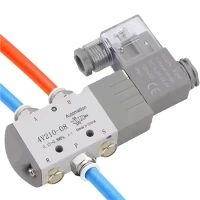
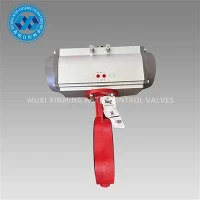
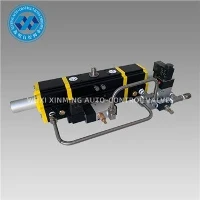
The first step in dealing with pressure fluctuations is to choose the appropriate solenoid valve for your application. Consider factors such as the flow rate, pressure range, and fluid or gas type when selecting a valve. At [our website or brand], we offer a wide range of high-quality solenoid valves, including the Wholesale Precision Flow Control Pneumatic Solenoid Valve With Accessories and the High Performance Pneumatic Actuator Solenoid Valve, which are designed to provide precise flow control and stable pressure regulation.
Install Pressure Regulators
Pressure regulators are essential components that can help maintain a constant pressure in the system. By installing a pressure regulator upstream of the solenoid valve, you can ensure that the valve operates within its specified pressure range. This can prevent pressure spikes and drops, reducing the risk of damage to the valve and improving its overall performance.
Use Buffer Tanks
Buffer tanks can act as a reservoir to absorb pressure fluctuations in the system. When the pressure increases, the excess fluid or gas is stored in the buffer tank, and when the pressure drops, the stored fluid or gas is released back into the system. This helps to smooth out the pressure variations and provides a more stable operating environment for the solenoid valve.
Optimize Pipework Design
Proper pipework design is crucial for minimizing pressure fluctuations. Ensure that the pipes are of the correct size and are free from leaks and blockages. Use smooth, straight pipes with minimal bends and restrictions to reduce turbulence and pressure losses. Additionally, consider using flexible hoses or expansion joints to absorb any vibrations or movements in the system.
Regular Maintenance and Inspection
Regular maintenance and inspection of the solenoid valve and the entire system are essential for detecting and addressing pressure fluctuations early on. Check for any signs of wear, damage, or leaks in the valve and the pipes. Clean or replace any filters, strainers, or seals as needed to ensure proper operation. By keeping the system in good condition, you can prevent pressure fluctuations and extend the lifespan of the solenoid valve.
Monitoring and Control
Pressure Sensors
Installing pressure sensors in the system can provide real-time data on the pressure levels. This allows you to monitor the pressure fluctuations and take appropriate action if necessary. Pressure sensors can be connected to a control system, such as a programmable logic controller (PLC), which can automatically adjust the solenoid valve or other components in the system to maintain a stable pressure.
Feedback Control Systems
Feedback control systems use the data from the pressure sensors to adjust the operation of the solenoid valve. For example, if the pressure sensor detects a pressure increase, the control system can send a signal to the solenoid valve to reduce the flow rate, thereby lowering the pressure. This closed-loop control mechanism helps to maintain a precise and stable pressure in the system.
Conclusion
Dealing with pressure fluctuations when using a solenoid valve requires a combination of proper valve selection, system design, and monitoring. By understanding the causes of pressure fluctuations and implementing the strategies outlined in this blog post, you can ensure the reliable and efficient operation of your solenoid valve system.
At [our website or brand], we are committed to providing our customers with high-quality solenoid valves and comprehensive solutions for pressure control. If you have any questions or need assistance with your solenoid valve application, please do not hesitate to contact us. Our team of experts is here to help you find the best solution for your specific needs.