

Hey there! As a supplier of AT Pneumatic Actuators, I often get asked about how to adjust the speed of these nifty devices. Today, I'm gonna break it down for you in a way that's easy to understand.
First off, let's talk about why you might want to adjust the speed of an AT Pneumatic Actuator. There are a bunch of reasons. Maybe you're working on a project where you need precise control over the movement of a valve or a mechanism. Or perhaps you're trying to optimize the efficiency of a production line. Whatever the reason, being able to adjust the speed can make a big difference.
Understanding the Basics of AT Pneumatic Actuators
Before we dive into the speed adjustment process, let's quickly go over how these actuators work. AT Pneumatic Actuators use compressed air to generate motion. When air is supplied to the actuator, it causes a piston or a diaphragm to move, which in turn moves the connected mechanism. The speed of this movement depends on a few factors, including the air pressure, the size of the actuator, and the flow rate of the air.
Factors Affecting the Speed of an AT Pneumatic Actuator
- Air Pressure: The higher the air pressure, the faster the actuator will move. However, you need to be careful not to exceed the maximum pressure rating of the actuator, as this can cause damage.
- Flow Rate: The flow rate of the air determines how quickly the actuator can fill and empty. A higher flow rate will generally result in a faster movement.
- Actuator Size: Larger actuators typically move more slowly than smaller ones, as they require more air to fill and empty.
How to Adjust the Speed of an AT Pneumatic Actuator
Now that we understand the factors affecting the speed, let's talk about how to adjust it. There are a few different methods you can use, depending on your specific needs and the type of actuator you have.
Method 1: Using a Flow Control Valve
One of the most common ways to adjust the speed of an AT Pneumatic Actuator is by using a flow control valve. This valve allows you to regulate the flow rate of the air entering and exiting the actuator. By adjusting the valve, you can increase or decrease the speed of the actuator.
To use a flow control valve, follow these steps:
- Locate the flow control valve on your actuator. It's usually a small valve with a knob or a screw.
- Turn the knob or screw to adjust the flow rate. Turning it clockwise will decrease the flow rate and slow down the actuator, while turning it counterclockwise will increase the flow rate and speed up the actuator.
- Test the actuator to see if the speed is to your liking. If not, make further adjustments until you achieve the desired speed.
Method 2: Adjusting the Air Pressure
Another way to adjust the speed of an AT Pneumatic Actuator is by adjusting the air pressure. You can do this by using a pressure regulator, which allows you to control the pressure of the air supplied to the actuator.
To adjust the air pressure, follow these steps:
- Locate the pressure regulator on your air supply system. It's usually a device with a gauge and a knob or a screw.
- Turn the knob or screw to adjust the pressure. Increasing the pressure will speed up the actuator, while decreasing the pressure will slow it down.
- Test the actuator to see if the speed is to your liking. If not, make further adjustments until you achieve the desired speed.
Method 3: Changing the Actuator Size
If you find that you're unable to achieve the desired speed using the above methods, you may need to consider changing the size of the actuator. A larger actuator will generally move more slowly than a smaller one, so if you need a faster speed, you may want to consider using a smaller actuator.
Tips for Adjusting the Speed of an AT Pneumatic Actuator
- Start Slow: When adjusting the speed of an actuator, it's always a good idea to start slow and make small adjustments. This will help you avoid overshooting the desired speed and causing damage to the actuator.
- Test Regularly: After making any adjustments, it's important to test the actuator to see if the speed is to your liking. This will help you ensure that the actuator is operating correctly and that you're achieving the desired results.
- Keep an Eye on the Pressure: When adjusting the air pressure, it's important to keep an eye on the pressure gauge to make sure you don't exceed the maximum pressure rating of the actuator.
- Use the Right Tools: Make sure you have the right tools for the job, such as a wrench or a screwdriver. Using the wrong tools can damage the actuator and make it difficult to make adjustments.
Conclusion
Adjusting the speed of an AT Pneumatic Actuator is an important part of ensuring that it operates correctly and efficiently. By understanding the factors affecting the speed and using the right methods and tools, you can easily adjust the speed to meet your specific needs.
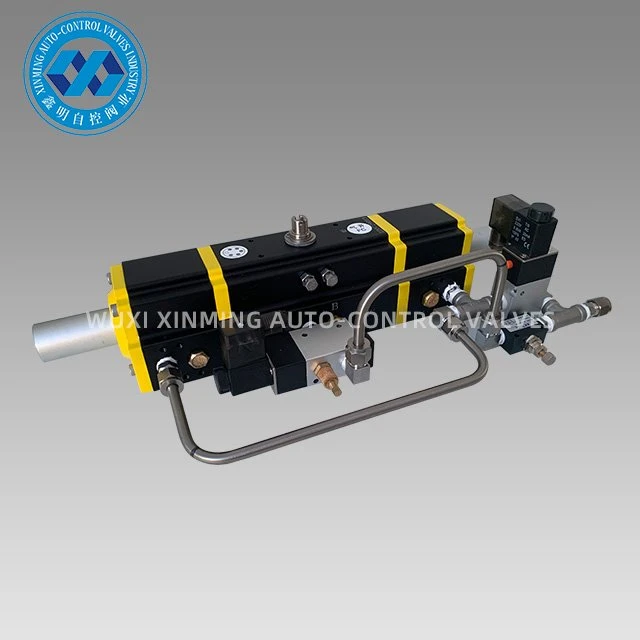
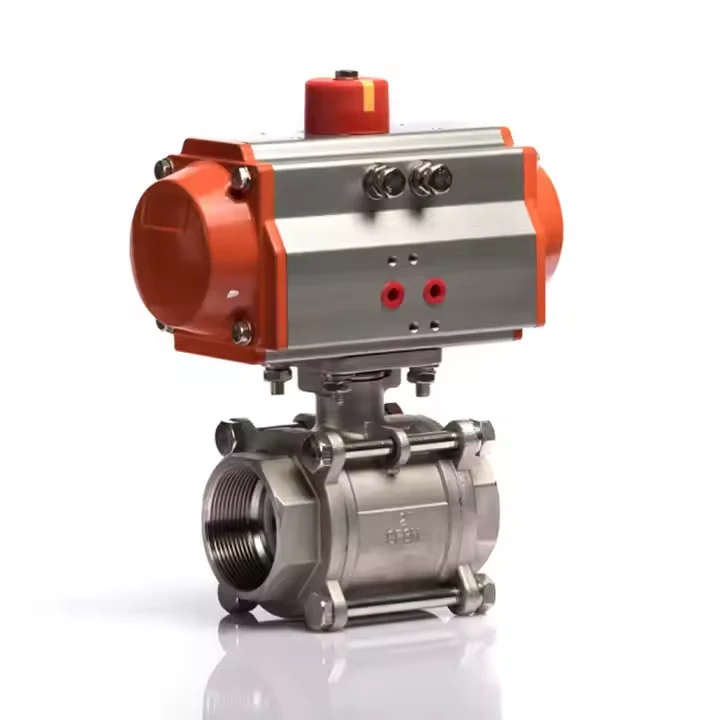
If you're in the market for an AT Pneumatic Actuator, we've got you covered. We offer a wide range of high-quality actuators, including the 0-45-90 Degree Pneumatic Actuator, the Pneumatic Actuator For Three-stage Flow Control Of Petrochemical Pipeline, and the High Quality Pneumatic Thread Ball Valve With Quarter-Turn Actuation For Automated Flow Control.
If you have any questions or would like to discuss your specific needs, feel free to reach out to us. We're here to help you find the perfect solution for your application.




