Hey there! As a supplier of AT Pneumatic Actuators, I often get asked about the cycle life specifications of our products. So, I thought I'd write a blog post to shed some light on this important topic.
First off, let's talk about what cycle life means. In simple terms, the cycle life of a pneumatic actuator refers to the number of times it can perform a full actuation cycle - that is, opening and closing - before it starts to show signs of wear and tear or fails altogether. This is a crucial specification because it directly impacts the long - term reliability and cost - effectiveness of the actuator in a given application.
Factors Affecting Cycle Life
There are several factors that can influence the cycle life of AT Pneumatic Actuators.
1. Design and Construction
Our AT Pneumatic Actuators are designed with high - quality materials and precision engineering. The internal components, such as pistons, seals, and gears, are made to withstand repeated mechanical stress. For instance, the pistons are often crafted from hardened metals that resist corrosion and abrasion. The seals are made of special elastomers that can maintain their integrity over a large number of cycles. This robust design ensures that the actuator can handle a significant number of operations without breaking down.
2. Operating Conditions
The environment in which the actuator operates plays a huge role in its cycle life. If the actuator is used in a dirty or dusty environment, the contaminants can find their way into the internal components, causing increased friction and wear. Similarly, extreme temperatures can affect the performance of the seals and other materials. For example, in high - temperature environments, the elastomers in the seals may become brittle, reducing their effectiveness and shortening the cycle life. On the other hand, extremely cold temperatures can cause the lubricants to thicken, making the actuator less responsive and also impacting its lifespan.
3. Maintenance
Regular maintenance is key to extending the cycle life of our AT Pneumatic Actuators. This includes tasks such as cleaning the actuator to remove any debris, checking and replacing the lubricants regularly, and inspecting the seals and other components for signs of damage. By staying on top of maintenance, users can ensure that the actuator operates at its optimal performance level for a longer period.
Typical Cycle Life Specifications
On average, our AT Pneumatic Actuators can achieve a cycle life of anywhere from 500,000 to 1,000,000 cycles. However, this is a general range, and the actual cycle life can vary depending on the specific model of the actuator and how it is used.
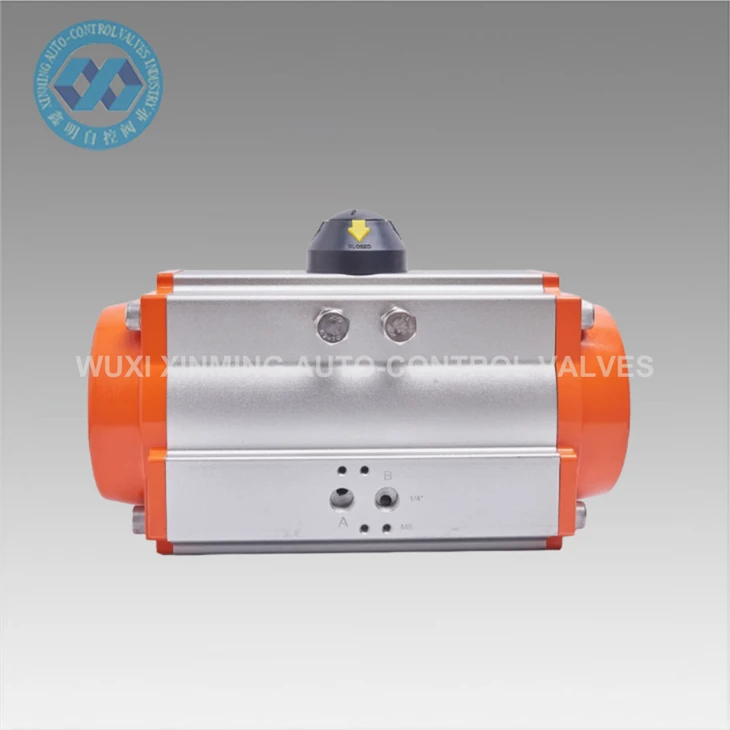
For example, our Wholesale Double/single Acting Series Pneumatic AT Actuators are designed for a wide range of industrial applications. These actuators, with proper maintenance and under normal operating conditions, can typically reach the upper end of the cycle - life range, around 1,000,000 cycles. The double - acting versions are particularly popular because they offer more precise control and can handle higher pressure applications.
Our Pneumatic Thread Ball Valve is another product that features a good cycle life. These valves are commonly used in piping systems for flow control. The pneumatic actuators on these valves are engineered to last for a large number of cycles, often around 700,000 to 800,000 cycles. They are known for their reliability and ease of installation.
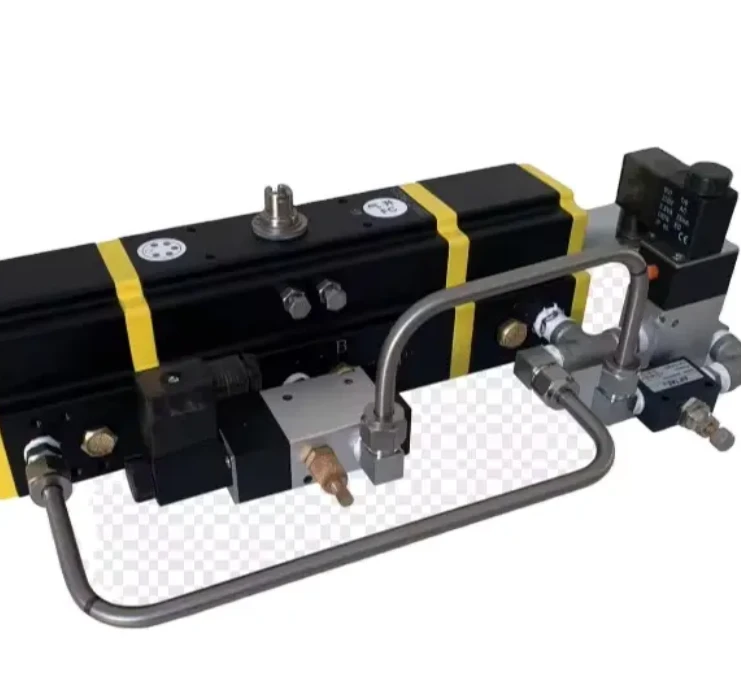
The 2 Way Ball Valve Three Stage Pneumatic Actuator is a more specialized product. It is designed for applications that require more complex control and higher pressure handling. The cycle life of this actuator is also quite impressive, usually in the range of 600,000 to 900,000 cycles. However, it's important to note that these numbers can vary based on the specific requirements of the application.
Why Cycle Life Matters
The cycle life of a pneumatic actuator is of utmost importance for several reasons.
First, from a cost - perspective, a longer cycle life means less frequent replacement of the actuator. This can save a significant amount of money in the long run, especially for industries that rely heavily on pneumatic systems for their operations. For example, in a manufacturing plant, if the actuators need to be replaced every few months due to a short cycle life, the cost of purchasing new actuators and the downtime associated with the replacement can be substantial.
Second, reliability is a major concern. In critical applications, such as in the oil and gas industry or in medical equipment, a failure of the pneumatic actuator can have serious consequences. A longer cycle life ensures that the actuator is less likely to fail during operation, providing peace of mind and reducing the risk of costly accidents or disruptions.
Tips to Maximize Cycle Life
If you're using our AT Pneumatic Actuators, here are some tips to help you maximize their cycle life:
- Proper Installation: Make sure the actuator is installed correctly according to the manufacturer's instructions. Incorrect installation can lead to uneven stress on the components, which can significantly reduce the cycle life.
- Environmental Protection: If possible, protect the actuator from harsh environmental conditions. This can include using enclosures to keep out dust and moisture or using temperature - control systems in extreme - temperature environments.
- Regular Inspections: Set up a regular inspection schedule to check for any signs of wear or damage. Early detection of problems can allow you to take corrective action before they lead to a complete failure of the actuator.
- Use the Right Lubricants: Using the recommended lubricants is essential. The lubricants help reduce friction between the moving parts, which in turn extends the life of the components.
Contact for Purchase and Discussion
If you're interested in our AT Pneumatic Actuators or have any questions about their cycle life specifications or other features, feel free to reach out. We'd be more than happy to discuss your specific requirements and help you choose the right product for your application. Whether you're in a small - scale operation or a large - industrial setup, our actuators can provide the reliable performance you need.