Hey there! As a supplier of Vacuum Ball Valves, I get tons of questions about picking the right valve for low - flow applications. It's not as simple as it might seem, but don't worry, I'm here to break it down for you.
First off, let's understand what a low - flow application is. In simple terms, it's a situation where only a small amount of fluid or gas needs to pass through the valve at a time. This could be in a lab setting, a small - scale manufacturing process, or even in some home - based DIY projects.
1. Flow Rate Requirements
The most obvious factor to consider is the flow rate. You need to know exactly how much fluid or gas you're going to be moving. For low - flow applications, you'll want a valve that can handle the specific, often small, volume. Measure the flow rate in units like liters per minute or cubic feet per hour. If you overestimate and choose a valve that's too large, you might end up with inaccurate flow control. On the other hand, if you pick a valve that's too small, it could cause blockages and reduce the efficiency of your system.
2. Pressure Rating
Pressure is another crucial aspect. The valve has to be able to withstand the pressure within your system. In low - flow applications, the pressure might not be as high as in large - scale industrial settings, but it still needs to be considered. Check the pressure rating of the valve, usually measured in pounds per square inch (PSI) or bar. Make sure it's appropriate for your system's pressure. If the pressure exceeds the valve's rating, it could lead to leaks or even valve failure.
3. Material Selection
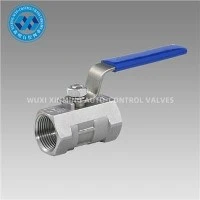
The material of the valve plays a huge role in its performance and durability. For low - flow applications, you have a few options. Stainless steel is a popular choice because it's corrosion - resistant. This is great if you're dealing with fluids that might cause rust or degradation. You can check out our Flanged Stainless Steel Ball Valve which is made from high - quality stainless steel and is perfect for many low - flow scenarios.
Another option is sanitary grade stainless steel, like the Sanitary Grade Stainless Steel 304 316 Ball Valve. This is ideal for applications where cleanliness is a top priority, such as in the food and beverage industry or in medical settings.
4. Valve Design
There are different designs of vacuum ball valves, and each has its own advantages for low - flow applications. Full - port valves have a larger opening, which allows for a relatively higher flow rate compared to reduced - port valves. However, for very low - flow situations, a reduced - port valve might be more suitable as it gives you more precise control over the flow.
5. Connection Type
The way the valve connects to your system is also important. You have options like threaded connections, which are easy to install and are commonly used in smaller systems. Flange connections, on the other hand, are more secure and are often used in applications where there's a need for a tight seal. You can explore our Flange Ball Valve for a reliable flange - based solution.


6. Actuation Method
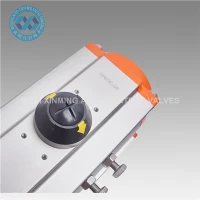
The actuation method of the valve determines how it's controlled. For low - flow applications, manual valves are often sufficient. They're simple to operate and cost - effective. However, if you need more precise control or want to automate the process, you can consider electric or pneumatic actuators. Electric actuators offer precise control and can be integrated into a control system, while pneumatic actuators are fast - acting and are suitable for applications where quick valve opening and closing are required.
7. Temperature Range
The temperature of the fluid or gas passing through the valve can also impact its performance. Make sure the valve you choose can handle the temperature range of your application. Some materials might become brittle or lose their sealing properties at extreme temperatures. So, take into account the minimum and maximum temperatures your valve will be exposed to.
8. Cost Considerations
Of course, cost is always a factor. You want to get the best - value valve for your low - flow application. Don't just go for the cheapest option, as it might not meet your requirements in the long run. Look for a balance between quality and cost. Consider the long - term maintenance costs as well. A high - quality valve might cost more upfront but could save you money in the long term due to fewer repairs and replacements.
9. Manufacturer Reputation
When you're selecting a vacuum ball valve, it's important to choose a reliable manufacturer. A reputable manufacturer will have a track record of producing high - quality valves. They'll also offer good customer support and after - sales service. Do some research, read reviews, and ask for recommendations from others in your industry.
10. Compatibility with Other Components
Finally, make sure the valve is compatible with the other components in your system. This includes pipes, fittings, and any other valves or equipment. Incompatible components can lead to leaks, reduced efficiency, and even system failure.
So, there you have it! These are the main factors to consider when selecting a vacuum ball valve for a low - flow application. If you have any questions or need further advice on choosing the right valve, don't hesitate to reach out. We're here to help you make the best decision for your specific needs. Whether you're a small - business owner, a researcher, or a DIY enthusiast, we've got the right vacuum ball valve for you. Contact us to start the procurement process and let's get your system up and running smoothly.