In the realm of fluid control systems, flange ball valves stand as a cornerstone, playing a pivotal role in regulating the flow of various media. As a seasoned flange ball valve supplier, I've witnessed firsthand the intricate relationship between port size and valve performance. This blog post delves into the nuances of how port size affects the performance of a flange ball valve, offering insights that can guide your selection process and optimize your fluid control systems.
Understanding the Basics of Flange Ball Valves
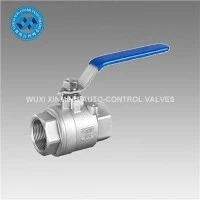
Before we explore the impact of port size, let's briefly review the fundamental components and operation of a flange ball valve. A flange ball valve consists of a spherical closure element (the ball) with a hole (the port) through its center. When the valve is open, the port aligns with the pipeline, allowing fluid to flow freely. When the valve is closed, the ball rotates 90 degrees, blocking the flow path.
Flange ball valves are known for their durability, reliability, and excellent sealing properties. They are widely used in a variety of industries, including oil and gas, chemical processing, water treatment, and power generation.
The Role of Port Size in Valve Performance
The port size of a flange ball valve refers to the diameter of the hole in the ball. It is a critical factor that influences several aspects of valve performance, including flow capacity, pressure drop, and throttling control.
Flow Capacity
One of the primary functions of a flange ball valve is to regulate the flow of fluid through a pipeline. The port size directly affects the valve's flow capacity, which is the maximum amount of fluid that can pass through the valve under specific conditions. A larger port size allows for a greater flow rate, as there is less resistance to the flow of fluid. Conversely, a smaller port size restricts the flow, reducing the flow rate.
When selecting a flange ball valve, it is essential to consider the required flow capacity of your system. If the valve's port size is too small, it may not be able to handle the desired flow rate, leading to reduced efficiency and potential system failures. On the other hand, if the port size is too large, it may result in excessive flow, which can cause issues such as water hammer and erosion.
Pressure Drop
Pressure drop is another important factor to consider when evaluating the performance of a flange ball valve. It refers to the difference in pressure between the inlet and outlet of the valve. A larger port size generally results in a lower pressure drop, as there is less resistance to the flow of fluid. This is because the larger port provides a wider flow path, allowing the fluid to pass through more easily.
Conversely, a smaller port size increases the pressure drop, as the fluid has to pass through a narrower opening. This can lead to increased energy consumption, as the pump or other driving force has to work harder to overcome the resistance. In some cases, a high pressure drop can also cause cavitation, which is the formation and collapse of vapor bubbles in the fluid. Cavitation can damage the valve and other components of the system, reducing their lifespan and performance.
Throttling Control
In addition to flow capacity and pressure drop, the port size also affects the valve's ability to provide precise throttling control. Throttling control refers to the ability to adjust the flow rate of the fluid by partially opening or closing the valve. A larger port size provides a wider range of flow rates, allowing for more precise control. This is because the larger port allows for a greater variation in the opening area of the valve, which in turn affects the flow rate.
Conversely, a smaller port size limits the range of flow rates, making it more difficult to achieve precise throttling control. This is because the smaller port provides a smaller opening area, which restricts the flow of fluid. In some cases, a small port size may also cause the valve to become unstable or oscillate when throttling, which can lead to inconsistent flow rates and reduced performance.
Selecting the Right Port Size for Your Application
When selecting a flange ball valve, it is essential to consider the specific requirements of your application. The following factors should be taken into account when determining the appropriate port size:
Flow Rate
The required flow rate is one of the most important factors to consider when selecting a port size. You should determine the maximum flow rate that your system needs to handle and choose a valve with a port size that can accommodate this flow rate. It is also important to consider any future expansion or changes in your system that may require a higher flow rate.
Pressure
The pressure of the fluid in your system is another important factor to consider. You should choose a valve with a port size that can handle the maximum pressure of your system without causing excessive pressure drop or damage to the valve. It is also important to consider the pressure rating of the valve, which indicates the maximum pressure that the valve can withstand.


Viscosity
The viscosity of the fluid in your system can also affect the selection of the port size. Viscous fluids require a larger port size to ensure smooth flow and prevent clogging. You should consider the viscosity of the fluid and choose a valve with a port size that can handle the fluid without causing excessive pressure drop or flow restrictions.
Temperature
The temperature of the fluid in your system can also affect the performance of the valve. High temperatures can cause the valve to expand or contract, which can affect the sealing properties and performance of the valve. You should choose a valve with a port size that can handle the temperature range of your system without causing any issues.
Conclusion
In conclusion, the port size of a flange ball valve plays a crucial role in its performance. It affects the flow capacity, pressure drop, and throttling control of the valve, and it is essential to choose the right port size for your specific application. By considering the factors discussed in this blog post, you can select a flange ball valve that meets your requirements and provides optimal performance.
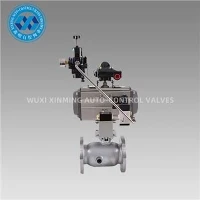
If you are in the market for a high-quality flange ball valve, look no further. As a leading link text: Segment Control Valve With Pneumatic Actuator supplier, we offer a wide range of flange ball valves in various port sizes and configurations to meet your specific needs. Our valves are designed and manufactured to the highest standards of quality and reliability, ensuring long-term performance and durability.
Whether you need a link text: 3 Way Ball Valve for a complex fluid control system or a link text: L-t Stainless Steel Pneumatic Three-way Ball Valve for a specific application, we have the expertise and experience to provide you with the right solution. Contact us today to discuss your requirements and let us help you find the perfect flange ball valve for your project.