Hey there! As a supplier of Vacuum Ball Valves, I've been getting a lot of questions lately about how the flow coefficient affects the performance of these valves. So, I thought I'd take a deep dive into this topic and share my insights with you.


First off, let's talk about what the flow coefficient, often denoted as Cv, actually is. In simple terms, the flow coefficient is a measure of a valve's ability to pass fluid (either liquid or gas) through it. It's a number that represents the volume of water (in US gallons per minute) that will flow through the valve at a pressure drop of 1 psi. A higher Cv value means the valve can pass more fluid with less resistance.
Now, let's see how this flow coefficient impacts the performance of a vacuum ball valve.
Flow Capacity
The most obvious way the flow coefficient affects a vacuum ball valve is in its flow capacity. A valve with a high Cv value can handle a larger volume of fluid flow. This is crucial in applications where a large amount of fluid needs to be moved quickly. For example, in industrial processes where large quantities of chemicals or gases are being transferred, a vacuum ball valve with a high Cv will ensure that the transfer is efficient and fast.
Let's say you're working in a chemical plant. You need to transfer a large volume of a particular chemical from one storage tank to another. If you use a vacuum ball valve with a low Cv, the flow will be restricted, and it will take a long time to complete the transfer. On the other hand, a valve with a high Cv will allow the chemical to flow through at a much faster rate, saving you time and increasing productivity.
Pressure Drop
Another important aspect is the pressure drop across the valve. Pressure drop is the difference in pressure between the inlet and the outlet of the valve. A valve with a high Cv will have a lower pressure drop for a given flow rate. This is because it offers less resistance to the flow of fluid.
In a vacuum system, maintaining the right pressure is crucial. If the pressure drop across the valve is too high, it can affect the performance of the entire system. For example, in a vacuum distillation process, a high-pressure drop across the valve can disrupt the distillation process and lead to lower quality products. By choosing a vacuum ball valve with an appropriate Cv, you can minimize the pressure drop and ensure the smooth operation of your system.
System Efficiency
The flow coefficient also plays a significant role in the overall efficiency of the system. A valve with the right Cv can help optimize the energy consumption of the system. When the valve allows for a smooth and efficient flow of fluid, less energy is required to move the fluid through the system.
For instance, in a water treatment plant, pumps are used to move water through the various treatment processes. If the vacuum ball valves in the system have a low Cv, the pumps will have to work harder to overcome the resistance, resulting in higher energy consumption. By using valves with a high Cv, the pumps can operate more efficiently, reducing energy costs.
Selection of the Right Valve
When it comes to selecting a vacuum ball valve, the flow coefficient is one of the most important factors to consider. You need to choose a valve with a Cv that matches the requirements of your system. This involves understanding the flow rate and pressure drop requirements of your application.
For example, if you're dealing with a high-flow application, you'll need a valve with a high Cv. On the other hand, if the flow rate is relatively low, a valve with a lower Cv may be sufficient. It's also important to consider the type of fluid you're dealing with, as different fluids have different viscosities and flow characteristics.
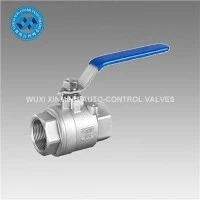
Now, let me introduce you to some of the vacuum ball valves we offer. We have a 2PC Thread Ball Valve which is great for applications where a reliable and easy-to-install valve is needed. It has a good flow coefficient and can handle a variety of fluids.
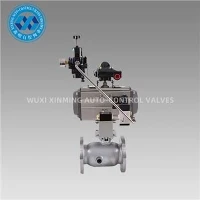
Our L-t Stainless Steel Pneumatic Three-way Ball Valve is another excellent option. It's made of high-quality stainless steel, which makes it resistant to corrosion. It also has a high Cv, allowing for efficient flow control.
And if you're looking for a valve that can handle high-pressure applications, our WCB Ball Valve is a great choice. It has a robust construction and a suitable flow coefficient for high-pressure systems.
In conclusion, the flow coefficient is a critical factor that affects the performance of a vacuum ball valve. By understanding how it impacts flow capacity, pressure drop, and system efficiency, you can make an informed decision when selecting a valve for your application. If you have any questions or need help choosing the right valve, don't hesitate to reach out. We're here to assist you in finding the perfect solution for your needs. Let's start a conversation about your requirements and see how we can help you optimize your system's performance.