As a trusted supplier of vacuum ball valves, I often encounter questions from customers about the sealing mechanism of these essential components. In this blog post, I will delve into the details of the sealing mechanism of a vacuum ball valve, explaining how it works and why it is crucial for various applications.
Understanding the Basics of a Vacuum Ball Valve
Before we explore the sealing mechanism, let's first understand what a vacuum ball valve is. A vacuum ball valve is a type of valve that uses a ball with a hole in the middle to control the flow of fluid or gas. When the ball is rotated, the hole aligns with the flow path, allowing the fluid or gas to pass through. When the ball is turned 90 degrees, the hole is perpendicular to the flow path, blocking the flow.
Vacuum ball valves are commonly used in applications where a high level of vacuum is required, such as in semiconductor manufacturing, vacuum furnaces, and scientific research. They are designed to provide a reliable and leak-tight seal, ensuring that the vacuum is maintained and preventing any contamination or leakage.
The Sealing Mechanism of a Vacuum Ball Valve
The sealing mechanism of a vacuum ball valve is based on the principle of a tight fit between the ball and the valve seat. The ball is typically made of a hard material, such as stainless steel or ceramic, while the valve seat is made of a soft material, such as PTFE (polytetrafluoroethylene) or rubber.
When the valve is closed, the ball is pressed against the valve seat, creating a seal that prevents the flow of fluid or gas. The soft material of the valve seat conforms to the shape of the ball, ensuring a tight fit and minimizing any leakage. The force required to create a seal is typically provided by a spring or a pneumatic actuator.
There are two main types of sealing mechanisms used in vacuum ball valves: soft sealing and metal-to-metal sealing.
Soft Sealing
Soft sealing is the most common type of sealing mechanism used in vacuum ball valves. It involves the use of a soft material, such as PTFE or rubber, for the valve seat. The soft material provides a good seal against the ball, even at low pressures. Soft sealing is suitable for applications where a high level of vacuum is required and where the fluid or gas being controlled is not highly corrosive.


One of the advantages of soft sealing is its ability to provide a tight seal with a relatively low force. This makes it suitable for applications where the valve needs to be opened and closed frequently. Soft sealing also provides a good seal against particles and debris, preventing them from entering the valve and causing damage.
However, soft sealing has some limitations. The soft material of the valve seat can be damaged by high temperatures, high pressures, or abrasive particles. This can lead to leakage and reduced performance over time. Soft sealing is also not suitable for applications where the fluid or gas being controlled is highly corrosive, as the soft material can be attacked by the corrosive substance.
Metal-to-Metal Sealing
Metal-to-metal sealing is a more robust type of sealing mechanism that is used in applications where a high level of pressure or temperature is required. It involves the use of a hard material, such as stainless steel or ceramic, for both the ball and the valve seat. When the valve is closed, the metal surfaces of the ball and the valve seat come into contact, creating a seal that can withstand high pressures and temperatures.
One of the advantages of metal-to-metal sealing is its durability and resistance to wear and tear. The hard material of the ball and the valve seat can withstand high pressures and temperatures without being damaged. Metal-to-metal sealing is also suitable for applications where the fluid or gas being controlled is highly corrosive, as the metal surfaces are resistant to corrosion.
However, metal-to-metal sealing has some limitations. It requires a higher force to create a seal compared to soft sealing, which can make it more difficult to open and close the valve. Metal-to-metal sealing also has a higher risk of leakage compared to soft sealing, as the metal surfaces may not fit perfectly together.
Factors Affecting the Sealing Performance of a Vacuum Ball Valve
The sealing performance of a vacuum ball valve is affected by several factors, including the material of the ball and the valve seat, the surface finish of the ball and the valve seat, the force applied to the ball, and the operating conditions.
Material of the Ball and the Valve Seat
The material of the ball and the valve seat plays a crucial role in the sealing performance of a vacuum ball valve. As mentioned earlier, soft sealing is typically used for applications where a high level of vacuum is required and where the fluid or gas being controlled is not highly corrosive. Metal-to-metal sealing is used for applications where a high level of pressure or temperature is required and where the fluid or gas being controlled is highly corrosive.
Surface Finish of the Ball and the Valve Seat
The surface finish of the ball and the valve seat also affects the sealing performance of a vacuum ball valve. A smooth surface finish can provide a better seal compared to a rough surface finish. The surface finish of the ball and the valve seat can be improved by polishing or grinding.
Force Applied to the Ball
The force applied to the ball also affects the sealing performance of a vacuum ball valve. A higher force can provide a better seal, but it can also increase the wear and tear on the ball and the valve seat. The force applied to the ball can be adjusted by changing the spring force or the pneumatic actuator pressure.
Operating Conditions
The operating conditions, such as the temperature, pressure, and flow rate, also affect the sealing performance of a vacuum ball valve. High temperatures and pressures can cause the material of the ball and the valve seat to expand or contract, which can affect the seal. The flow rate can also affect the seal, as a high flow rate can cause the ball to move or vibrate, which can lead to leakage.
Our Vacuum Ball Valve Products
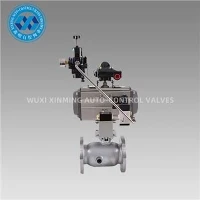
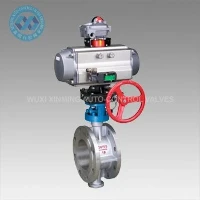
At our company, we offer a wide range of vacuum ball valves to meet the needs of various applications. Our products include Pneumatic Actuator Jacketed Flange Ball Valve, Pneumatic 3PC Stainless Steel Ball Valve, and Pneumatic Actuator Tri-clamp Three Way Ball Valve.
Our vacuum ball valves are designed to provide a reliable and leak-tight seal, ensuring that the vacuum is maintained and preventing any contamination or leakage. We use high-quality materials and advanced manufacturing techniques to ensure the durability and performance of our products.
Contact Us for Purchase and Negotiation
If you are interested in our vacuum ball valve products or have any questions about the sealing mechanism of a vacuum ball valve, please feel free to contact us. Our experienced sales team will be happy to assist you and provide you with more information about our products and services.
We look forward to hearing from you and working with you to meet your vacuum ball valve needs.