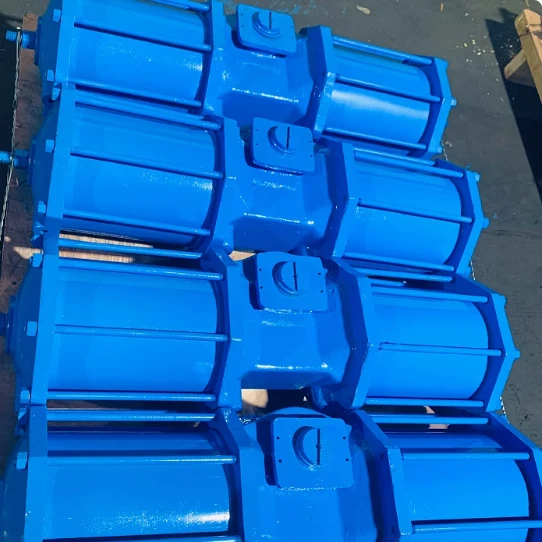
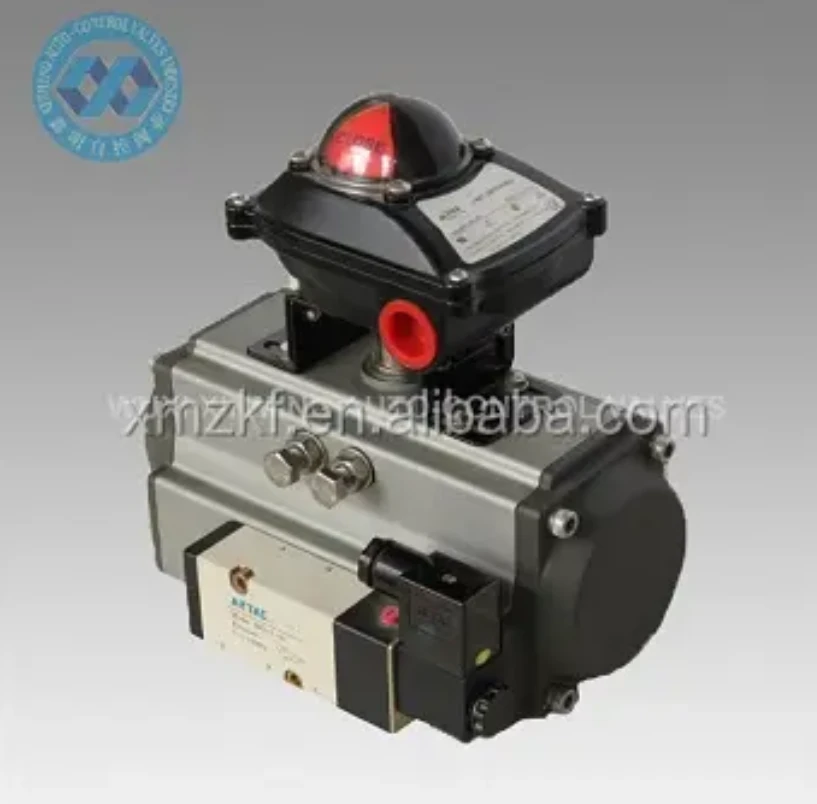
As a supplier of AT Pneumatic Actuators, understanding the temperature range for these devices is crucial. AT Pneumatic Actuators are widely used in various industrial applications, and their performance is significantly affected by the operating temperature. In this blog post, we will delve into the temperature range for AT Pneumatic Actuators, exploring the factors that influence it and the implications for different applications.
Understanding the Basics of AT Pneumatic Actuators
Before we discuss the temperature range, let's briefly understand what AT Pneumatic Actuators are. These actuators are mechanical devices that convert energy from compressed air into mechanical motion. They are commonly used to control valves, dampers, and other industrial equipment. AT Pneumatic Actuators offer several advantages, including high reliability, fast response times, and the ability to operate in harsh environments.
Temperature Range for AT Pneumatic Actuators
The temperature range for AT Pneumatic Actuators typically varies depending on the specific model and design. Generally, most AT Pneumatic Actuators can operate within a temperature range of -20°C to 80°C (-4°F to 176°F). However, some specialized models can withstand even more extreme temperatures.
Lower Temperature Limit
The lower temperature limit is mainly determined by the properties of the materials used in the actuator. At low temperatures, the lubricants used in the actuator may become viscous, leading to increased friction and reduced performance. Additionally, the rubber seals and gaskets may become brittle, increasing the risk of leakage. To ensure proper operation at low temperatures, it is important to use actuators with lubricants and seals specifically designed for cold environments.
Upper Temperature Limit
The upper temperature limit is influenced by several factors, including the type of lubricant, the materials used in the actuator, and the heat dissipation capabilities. At high temperatures, the lubricants may break down, leading to increased wear and tear on the actuator components. The rubber seals and gaskets may also degrade, resulting in leakage. To prevent overheating, it is essential to ensure proper ventilation and cooling of the actuator.
Factors Affecting the Temperature Range
Several factors can affect the temperature range for AT Pneumatic Actuators. These include:
Application Environment
The environment in which the actuator is used plays a significant role in determining the temperature range. For example, actuators used in outdoor applications may be exposed to extreme temperatures, both hot and cold. In contrast, actuators used in indoor applications may have a more stable temperature environment.
Duty Cycle
The duty cycle of the actuator, which refers to the ratio of the operating time to the total time, can also affect the temperature range. Actuators that operate continuously at high speeds or under heavy loads may generate more heat, requiring a higher temperature rating.
Type of Lubricant
The type of lubricant used in the actuator can significantly impact its temperature performance. Some lubricants are designed to operate at high temperatures, while others are better suited for low-temperature applications. It is important to choose the right lubricant based on the operating temperature range of the actuator.
Implications for Different Applications
The temperature range of AT Pneumatic Actuators has important implications for different applications. Here are some examples:
Industrial Automation
In industrial automation systems, AT Pneumatic Actuators are used to control various processes. In applications where the temperature can vary widely, such as in chemical plants or food processing facilities, it is crucial to select actuators with a wide temperature range to ensure reliable operation.
HVAC Systems
Heating, ventilation, and air conditioning (HVAC) systems often use AT Pneumatic Actuators to control dampers and valves. These systems may operate in different temperature environments, and the actuators need to be able to withstand the temperature variations to maintain proper control.
Marine Applications
In marine applications, AT Pneumatic Actuators are used in various equipment, such as valves and hatch covers. The temperature range in marine environments can be extreme, with both high and low temperatures. Actuators used in these applications need to be able to operate reliably under these conditions.
Selecting the Right AT Pneumatic Actuator for Your Application
When selecting an AT Pneumatic Actuator for your application, it is important to consider the temperature range. Here are some tips to help you make the right choice:
Determine the Operating Temperature Range
First, determine the temperature range in which the actuator will operate. This includes both the minimum and maximum temperatures. Consider the environment, duty cycle, and any other factors that may affect the temperature.
Choose the Right Lubricant
Select a lubricant that is suitable for the operating temperature range. Consult the manufacturer's recommendations to ensure you choose the right lubricant for your actuator.
Consider the Seal Materials
The seal materials used in the actuator can also affect its temperature performance. Choose seals that are designed to withstand the temperature range of your application.
Conclusion
In conclusion, understanding the temperature range for AT Pneumatic Actuators is essential for ensuring their reliable operation in various applications. By considering the factors that affect the temperature range and selecting the right actuator for your application, you can ensure optimal performance and longevity. If you are in the market for AT Pneumatic Actuators, we invite you to explore our range of products, including the Valve Airtac Pneumatic Cylinder Actuator With Actuator Position Indicator And Airtac Solenoid Valve, Valve Airtac Pneumatic Cylinder Actuator with actuator position indicator, and Single-acting And Double-acting Of AW Scotch Yoke Pneumatic Actuators. Our team of experts is ready to assist you in selecting the right actuator for your specific needs. Contact us today to discuss your requirements and start the procurement process.