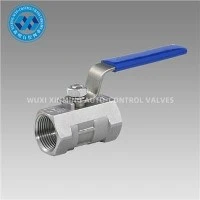
As a PVC ball valve supplier, I often get asked about how to ensure a tight seal when using these valves. A tight seal is crucial for the proper functioning of any valve, and PVC ball valves are no exception. In this blog post, I'll share some tips and tricks that I've learned over the years to help you achieve a tight seal with your PVC ball valves.


Understanding the Basics of PVC Ball Valves
Before we dive into the tips, let's quickly go over the basics of PVC ball valves. A PVC ball valve is a type of valve that uses a ball with a hole in the middle to control the flow of fluid. When the ball is turned, the hole aligns with the pipe, allowing fluid to flow through. When the ball is turned 90 degrees, the hole is perpendicular to the pipe, blocking the flow of fluid.
PVC ball valves are popular because they are lightweight, corrosion-resistant, and relatively inexpensive. They are commonly used in a variety of applications, including water treatment, irrigation, and chemical processing.
Choosing the Right PVC Ball Valve
The first step in ensuring a tight seal is to choose the right PVC ball valve for your application. There are several factors to consider when choosing a PVC ball valve, including the size, pressure rating, and end connections.
- Size: The size of the PVC ball valve should match the size of the pipe. Using a valve that is too small or too large can result in a poor seal.
- Pressure rating: The pressure rating of the PVC ball valve should be appropriate for the application. Using a valve with a lower pressure rating than required can result in leaks or even valve failure.
- End connections: The end connections of the PVC ball valve should match the end connections of the pipe. Common end connections include threaded, socket, and flanged.
Preparing the Valve and Pipe
Once you've chosen the right PVC ball valve, the next step is to prepare the valve and pipe for installation. This involves cleaning the valve and pipe, applying lubricant, and ensuring that the valve is properly aligned.
- Cleaning: Before installing the PVC ball valve, it's important to clean the valve and pipe to remove any dirt, debris, or contaminants. This can be done using a clean cloth or a mild detergent.
- Lubrication: Applying a lubricant to the valve and pipe can help to ensure a tight seal. A silicone-based lubricant is recommended for PVC ball valves.
- Alignment: The PVC ball valve should be properly aligned with the pipe to ensure a tight seal. This can be done using a pipe wrench or a similar tool.
Installing the PVC Ball Valve
Once the valve and pipe are prepared, the next step is to install the PVC ball valve. This involves connecting the valve to the pipe using the appropriate end connections.
- Threaded connections: If the PVC ball valve has threaded connections, it's important to use thread sealant to ensure a tight seal. The thread sealant should be applied to the threads of the valve and pipe before connecting them.
- Socket connections: If the PVC ball valve has socket connections, it's important to use a solvent cement to bond the valve to the pipe. The solvent cement should be applied to the inside of the socket and the outside of the pipe before inserting the pipe into the socket.
- Flanged connections: If the PVC ball valve has flanged connections, it's important to use gaskets to ensure a tight seal. The gaskets should be placed between the flanges of the valve and pipe before tightening the bolts.
Testing the PVC Ball Valve
Once the PVC ball valve is installed, the next step is to test the valve to ensure a tight seal. This involves opening and closing the valve and checking for leaks.
- Opening and closing the valve: The PVC ball valve should be opened and closed several times to ensure that it operates smoothly. If the valve is difficult to open or close, it may be a sign of a problem.
- Checking for leaks: After opening and closing the valve, it's important to check for leaks. This can be done by visually inspecting the valve and pipe for any signs of leakage. If a leak is detected, it's important to identify the source of the leak and take appropriate action to fix it.
Maintaining the PVC Ball Valve
To ensure a tight seal over time, it's important to maintain the PVC ball valve. This involves regular inspection, cleaning, and lubrication.
- Inspection: The PVC ball valve should be inspected regularly for any signs of wear or damage. If any problems are detected, it's important to take appropriate action to fix them.
- Cleaning: The PVC ball valve should be cleaned regularly to remove any dirt, debris, or contaminants. This can be done using a clean cloth or a mild detergent.
- Lubrication: The PVC ball valve should be lubricated regularly to ensure smooth operation. A silicone-based lubricant is recommended for PVC ball valves.
Additional Tips and Tricks
Here are some additional tips and tricks that can help you ensure a tight seal when using a PVC ball valve:
- Use high-quality valves: Using high-quality PVC ball valves can help to ensure a tight seal and reduce the risk of leaks.
- Follow the manufacturer's instructions: It's important to follow the manufacturer's instructions when installing and maintaining the PVC ball valve.
- Use the right tools: Using the right tools can help to ensure a proper installation and a tight seal.
- Avoid over-tightening: Over-tightening the valve can damage the valve and pipe, resulting in a poor seal.
Conclusion
Ensuring a tight seal when using a PVC ball valve is crucial for the proper functioning of any valve. By choosing the right valve, preparing the valve and pipe, installing the valve correctly, testing the valve, and maintaining the valve, you can ensure a tight seal and reduce the risk of leaks. If you have any questions or need further assistance, please don't hesitate to contact us. We're here to help you find the right PVC ball valve for your application and ensure a tight seal.
Related Products
If you're interested in other types of ball valves, we also offer Pneumatic 3PC Stainless Steel Ball Valve, Pneumatic Actuated Ball Valve, and Pneumatic Actuator Jacketed Flange Ball Valve. These valves are designed to provide reliable performance and a tight seal in a variety of applications.
Call to Action
If you're in the market for a PVC ball valve or any other type of valve, please contact us to discuss your needs. We offer a wide range of valves at competitive prices, and our team of experts can help you find the right valve for your application. Don't hesitate to reach out and start a conversation about your procurement needs.