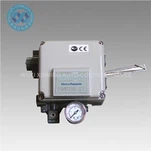
A limit switch box is a device used in various industries to monitor and control the movement of machinery or equipment. It typically consists of a housing, a lever arm, and one or more switches:
1. Position sensing: Limit switch boxes are primarily used to detect the position of moving parts. They can be set up to trigger specific actions when the machinery reaches a particular point in its movement. For example, they can be used to stop a conveyor belt when it reaches the end of its travel or to shut off a motor when a valve is fully open or closed.
2. Safety monitoring: Limit switch boxes play a crucial role in ensuring the safety of machinery and equipment. They can be used to detect abnormal or potentially dangerous conditions, such as the presence of an obstruction, excessive vibration, or overheating. When these conditions are detected, the limit switch box can send a signal to stop or shut down the equipment, preventing accidents or damage.
3. Control and automation: Limit switch boxes are often integrated into control systems to automate processes and improve efficiency. By providing feedback on the position of moving parts, they enable precise control of machinery. For example, in an automated assembly line, limit switch boxes can be used to trigger the next step in the process when a certain position is reached.
4. End-of-travel detection: In applications where machinery or equipment has limited travel, limit switch boxes are used to detect when the end of the travel is reached. This information can be used to control the movement or to prevent damage caused by overtravel.
5. Feedback and monitoring: Limit switch boxes can provide valuable feedback on the status of machinery or equipment. By monitoring the position of moving parts, they can indicate whether the machinery is operating within the desired parameters. This information can be used for maintenance purposes, such as scheduling preventive maintenance or identifying potential issues before they cause major problems.