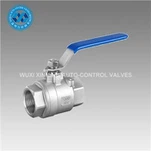
A pneumatic actuator is a device that converts energy from compressed air into mechanical motion. It is commonly used in various industries and applications, including manufacturing, automation, and robotics. The actuator utilizes the power of compressed air to generate force and movement, making it a versatile and efficient solution for many engineering tasks.
Pneumatic actuators consist of a cylinder, piston, and control valve system. When compressed air is supplied to the actuator, it enters the cylinder chamber, pushing the piston to create linear or rotary motion. The control valve system allows the user to regulate the flow of air and control the actuator's movement.
One of the key advantages of pneumatic actuators is their simplicity and reliability. They are relatively easy to install, operate, and maintain. They can generate high forces and speeds, making them suitable for applications that require rapid and powerful movement.
Pneumatic actuators are also known for their excellent performance in harsh environments. They can withstand extreme temperatures, humidity, and corrosive substances, making them suitable for applications in industries such as chemical processing, food and beverage, and automotive.
Pneumatic actuators offer precise control and can be easily integrated into automated systems. They can be combined with sensors, controllers, and other components to create complex motion sequences and achieve precise positioning.
Pneumatic actuators are widely used due to their versatility, reliability, and cost-effectiveness. They provide an efficient means of converting compressed air into mechanical motion, making them a popular choice in various industries where reliable and powerful actuation is required.