Main points of work before assembly of pneumatic butterfly valve
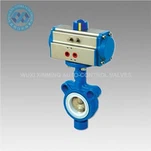
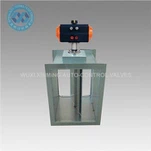
Pneumatic butterfly valve is composed of pneumatic actuator and butterfly valve. In layman's terms, the pneumatic head and butterfly valve are combined to form a whole. But it is often when assembling, we must pay attention to many details. If the assembly is good, the pneumatic butterfly valve is good. If the assembly is not good, the quality and use of the pneumatic butterfly valve are not good. After many years of experience, my technicians have organized the following 12 items to pay attention to details:
1. Before assembling, check that all parts of the pneumatic butterfly valve are not missing, the model is correct, check that there is no debris in the valve body, and there is no blockage in the solenoid valve and muffler
2. Place the valve and cylinder in a closed state.
3. Hit the cylinder against the valve (the direction of the device can be parallel or perpendicular to the valve body), and then see if the screw holes are aligned, there will not be too much deviation, if there is a small amount of deviation, just rotate the cylinder body a little. , And then tighten the screws.
4. After the installation is completed, debug the pneumatic butterfly valve (the air supply pressure is 0.4~0.6MPa under normal conditions), and the solenoid valve must be manually opened and closed during the debugging operation (the solenoid valve coil can only be operated manually after the solenoid valve coil is de-energized). Observe the opening and closing conditions of the pneumatic butterfly valve. If it is found that the valve is a little strenuous at the beginning of the opening and closing process during the debugging and running process, and then it is normal, you need to reduce the cylinder stroke (turn the stroke adjustment screws at both ends of the cylinder a little bit inward, and the valve must be moved to the open position during adjustment. , Then turn off the air source and adjust again) until the valve opens and closes smoothly and is closed without leakage. It should also be noted that the adjustable muffler can adjust the opening and closing speed of the valve, but it should not be adjusted too small, otherwise the valve may not move.
5. Defa should be kept dry in front of the installation, and can not be stored in the open air
6. Check the pipeline before installing the butterfly valve to ensure that there is no foreign matter such as welding slag in the pipeline
7. The pneumatic butterfly valve body has moderate manual opening and closing resistance, and the torque of the butterfly valve matches the torque of the selected actuator.
8. The flange standard for the connection of pneumatic butterfly valve is correct, and the pipe clamp flange conforms to the butterfly valve flange standard. It is advisable to use special flanges for butterfly valves instead of flat welding flanges.
9. Acknowledge that the flange welding is correct, and the flange shall not be welded after the butterfly valve is installed to avoid scalding the rubber parts.
10. The installed pipe flange should be centered and centered with the inserted butterfly valve.
11. Install all the flange bolts and tighten them by hand. It will recognize that the butterfly valve and the flange have been aligned, and then carefully open and close the butterfly valve to ensure that the opening and closing are sensitive.
12. Open the valve completely. Use a wrench to tighten the bolts in diagonal order. No washers are needed. Do not overtighten the bolts to prevent serious deformation of the valve ring and excessive opening and closing torque.