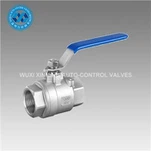
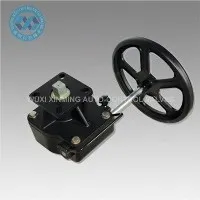
1. Before installing the flange butterfly valve, check that all parts of the pneumatic butterfly valve are not missing and the model is correct. Check that there is no debris in the valve body, and there is no blockage in the solenoid valve and muffler.
2. Put the valve and cylinder in the closed state.
3. Hit the cylinder against the valve (the installation direction is either parallel or perpendicular to the valve body), and then check whether the screw holes are aligned, there will not be too much deviation. If there is a slight deviation, just rotate the cylinder body a little. , And then tighten the screws.
4. After installation, debug the pneumatic butterfly valve (the air supply pressure is 0.4~0.6MPa under normal conditions), and the solenoid valve must be opened and closed manually during the debugging operation (the solenoid valve coil can only be operated manually after the solenoid valve coil is de-energized). Observe the opening and closing of the pneumatic butterfly valve. If it is found that the valve is a little difficult at the beginning of the opening and closing process during the debugging operation, and then it is normal, you need to reduce the stroke of the cylinder (the stroke adjustment screws at both ends of the cylinder should be adjusted inward at the same time, and the valve should be operated to the open position during adjustment. , Then turn off the air source and adjust again) until the valve opens and closes smoothly and closes without leakage. It should also be noted that the adjustable silencer can adjust the opening and closing speed of the valve, but it should not be adjusted too small, otherwise the valve may not operate.