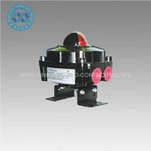
The pneumatic butterfly valve consists of a pneumatic actuator and butterfly valve. A pneumatic butterfly valve is a kind of pneumatic valve with opening and closing characteristics. The circular butterfly plate realizes the opening and closing action by rotating the valve stem. It is mainly used as a shut-off valve. It can also be designed with regulating valve or segment valve and regulating function. Butterfly valves are increasingly used in low-pressure large and medium-sized pipelines. Classification of Pneumatic Actuator Wafer Butterfly Valve: Stainless Steel Pneumatic Butterfly Valve, Hard Seal Pneumatic Butterfly Valve, Soft Seal Pneumatic Butterfly Valve, Carbon Steel Pneumatic Butterfly Valve. The main advantages of pneumatic butterfly valves are simple structure, small size, light weight, and low cost. The characteristics of pneumatic butterfly valves are particularly significant. It is installed in a concealed channel at high altitudes and controlled by a two-position five-way solenoid valve, which is easy to operate and can adjust the flow of the medium.
Maintenance of Pneumatic Actuator Wafer Butterfly Valve: Due to the harsh operating environment of the pneumatic butterfly valve, some failures will inevitably occur during use. Therefore, it is necessary to maintain and repair the pneumatic butterfly valve. The main contents of the daily maintenance of the pneumatic butterfly valve include: (1) the inner wall of the valve body. Check the pressure and corrosion resistance. (2) Valve seat. Due to the penetration of the medium, the inner surface of the thread used to fix the valve seat is easily corroded, resulting in the loosening of the valve seat. Be careful when checking. For high-pressure applications, check the seat sealing surface for damage. (3) Spool. Carefully check whether there is corrosion and wear on each part of the valve core, especially under the condition of high-pressure difference, the wear of the valve core is more serious and should be paid attention to. In addition, check whether the valve stem is correct, whether there is a similar phenomenon, or whether the connection with the valve core is loose, etc. (4) Spacers, O-rings and other gaskets. Check for aging and cracking. (5) Seal packing. Check whether the PTFE packing and sealing grease are aged and dry and whether the mating surface is damaged.