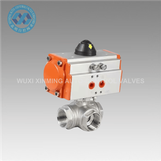
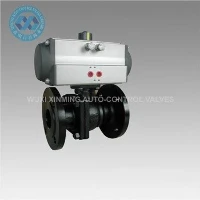
Sanitary ball valves are crucial components in various industries, especially those dealing with food, beverage, pharmaceutical, and cosmetic production. These valves are designed to meet strict hygiene standards, ensuring the safety and quality of the products being processed. As a leading supplier of sanitary ball valves, I often encounter questions from customers regarding the special transportation requirements for these valves. In this blog post, I will delve into this topic, providing insights based on my years of experience in the industry.
Understanding Sanitary Ball Valves
Before discussing the transportation requirements, it's essential to understand what sanitary ball valves are and why they are so important. Sanitary ball valves are used to control the flow of fluids in a pipeline. They feature a spherical closure unit (the ball) with a hole in the middle. When the valve is open, the hole aligns with the pipeline, allowing fluid to flow through. When the valve is closed, the ball rotates to block the flow.
These valves are made from high-quality materials such as stainless steel, which is resistant to corrosion and easy to clean. They are designed with smooth surfaces and minimal crevices to prevent the accumulation of dirt, bacteria, and other contaminants. This makes them ideal for applications where hygiene is of utmost importance.
General Transportation Considerations
When it comes to transporting sanitary ball valves, there are several general considerations that apply. First and foremost, the valves must be properly packaged to protect them from damage during transit. This includes using appropriate cushioning materials such as foam or bubble wrap to prevent scratches, dents, and other physical damage.
The packaging should also be sturdy enough to withstand the rigors of transportation. Valves should be placed in strong boxes or crates that can protect them from impacts, vibrations, and other external forces. Additionally, the packaging should be labeled clearly with information such as the valve type, size, quantity, and handling instructions.
Another important consideration is the weight and size of the valves. Sanitary ball valves come in various sizes and weights, and it's essential to choose the right mode of transportation based on these factors. For smaller and lighter valves, shipping by courier or small parcel service may be sufficient. However, for larger and heavier valves, freight shipping may be more appropriate.
Special Transportation Requirements for Sanitary Ball Valves
In addition to the general transportation considerations, there are some special requirements that apply specifically to sanitary ball valves. These requirements are mainly related to maintaining the hygiene and integrity of the valves during transit.
Hygiene Protection
One of the most critical aspects of transporting sanitary ball valves is ensuring that they remain clean and free from contaminants. This means that the valves should be sealed properly to prevent the entry of dust, dirt, and other foreign particles. Valves should be equipped with protective caps or plugs on all openings to prevent any debris from entering the valve body.
During transportation, the valves should be stored in a clean and dry environment. Exposure to moisture can cause corrosion and rust, which can compromise the integrity of the valves. If the valves are being transported in a container or truck, it's important to ensure that the container is clean and dry before loading the valves.
Temperature and Humidity Control
Temperature and humidity can also have a significant impact on the performance and integrity of sanitary ball valves. Extreme temperatures can cause the materials used in the valves to expand or contract, which can lead to leaks or other malfunctions. High humidity can also promote the growth of bacteria and mold, which can contaminate the valves.
Therefore, it's important to control the temperature and humidity during transportation. If possible, the valves should be transported in a climate-controlled environment. This can be achieved by using insulated containers or trucks with temperature and humidity control systems.
Avoiding Cross-Contamination
Cross-contamination is another major concern when transporting sanitary ball valves. Valves should be transported separately from other non-sanitary items to prevent the transfer of contaminants. If multiple valves are being transported together, they should be separated by dividers or partitions to prevent them from coming into contact with each other.
It's also important to ensure that the handling equipment used during transportation is clean and free from contaminants. This includes forklifts, pallet jacks, and other equipment used to load and unload the valves. These equipment should be cleaned and disinfected regularly to prevent the spread of bacteria and other contaminants.


Impact of Transportation on Valve Performance
Proper transportation is crucial for maintaining the performance and integrity of sanitary ball valves. If the valves are not transported correctly, they may suffer from damage or contamination, which can affect their functionality and lifespan.
For example, if a valve is scratched or dented during transportation, it may not seal properly, leading to leaks. Contamination can also cause blockages or other problems, which can affect the flow of fluids through the valve. In some cases, damaged or contaminated valves may need to be replaced, which can result in additional costs and downtime for the customer.
Choosing the Right Transportation Partner
To ensure that the sanitary ball valves are transported safely and in accordance with the special requirements, it's important to choose the right transportation partner. A reliable transportation partner should have experience in handling sensitive and high-value items such as sanitary ball valves.
They should also have the necessary equipment and facilities to ensure proper packaging, storage, and transportation of the valves. This includes climate-controlled containers, proper handling equipment, and trained staff who understand the importance of maintaining hygiene and integrity during transit.
When choosing a transportation partner, it's also important to consider their reputation and track record. Look for a partner who has a proven history of delivering goods on time and in good condition. You can also ask for references from other customers to get an idea of their level of service.
Related Products and Their Transportation
In addition to sanitary ball valves, our company also offers a range of other ball valves, each with its own transportation considerations. For example, High Performance PVC Ball Valve are made from PVC material, which is lightweight but also more prone to damage compared to stainless steel. When transporting PVC ball valves, extra care should be taken to protect them from impacts and sharp objects.
Explosion-Proof Pneumatic Ball Valve are designed for use in hazardous environments, and their transportation requires strict compliance with safety regulations. These valves often have additional safety features and components that need to be protected during transit.
Thread Ball Valve come with threaded connections, and it's important to ensure that these connections are protected to prevent damage. Threads can be easily damaged if not properly secured, which can affect the valve's performance and installation.
Conclusion
Transporting sanitary ball valves requires careful planning and attention to detail. By following the general transportation considerations and the special requirements outlined in this blog post, you can ensure that the valves arrive at their destination in good condition and ready for use.
As a leading supplier of sanitary ball valves, we understand the importance of providing high-quality products and ensuring their safe transportation. We are committed to working with our customers to meet their specific needs and provide them with the best possible solutions.
If you are in the market for sanitary ball valves or have any questions about their transportation requirements, please don't hesitate to contact us. Our team of experts is always ready to assist you with your procurement needs and provide you with the information you need to make an informed decision.
References
- "Sanitary Ball Valves: Design, Operation, and Maintenance" - Industry Handbook
- "Transportation Guidelines for Sensitive Industrial Components" - Logistics Research Report