Hey there! As a supplier of butterfly valves, I often get asked about the cost of these essential components. It's a valid question, considering that the price can vary widely depending on several factors. In this blog post, I'll break down the different elements that influence the cost of a butterfly valve and give you a better understanding of what to expect.
Factors Affecting the Cost of a Butterfly Valve
1. Material
One of the most significant factors that determine the cost of a butterfly valve is the material it's made from. Butterfly valves can be constructed from a variety of materials, each with its own unique properties and price point.
- Aluminum: Aluminum butterfly valves are lightweight, corrosion-resistant, and relatively inexpensive. They're a popular choice for applications where weight is a concern, such as in the food and beverage industry. For example, our DN25 Pneumatic Dust Aluminum Butterfly Valve is made from high-quality aluminum, making it a cost-effective option for many applications.
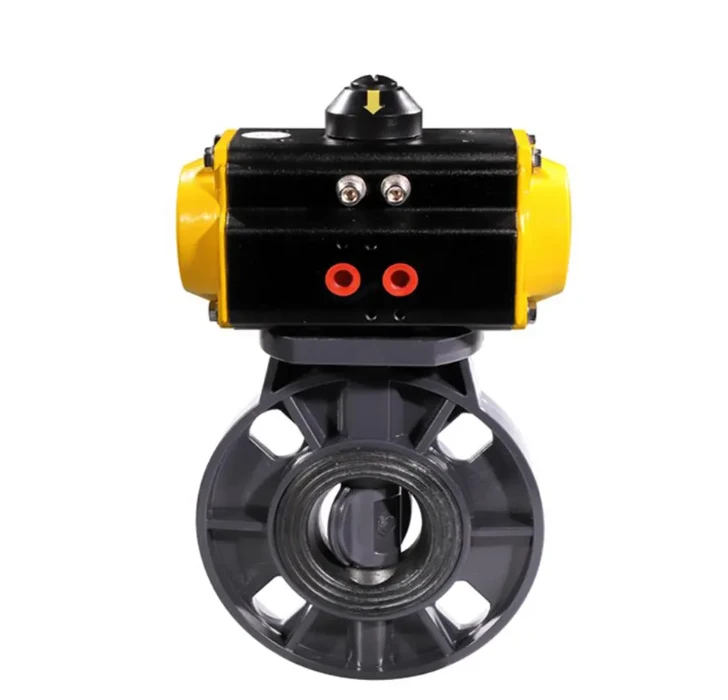
- PVC: PVC butterfly valves are another affordable option. They're resistant to chemicals and are commonly used in water treatment and irrigation systems. Our New Arrival Pvc Flange Butterfly Valve With Pneumatic Actuator is a great choice for those looking for a budget-friendly valve that can handle a variety of fluids.
- Stainless Steel: Stainless steel butterfly valves are more expensive than aluminum or PVC valves, but they offer superior durability and corrosion resistance. They're often used in high-pressure and high-temperature applications, such as in the chemical and petrochemical industries.
- Sanitary Materials: For applications in the food, pharmaceutical, and beverage industries, sanitary butterfly valves are required. These valves are made from materials that meet strict hygiene standards, such as 316L stainless steel. Our Sanitary Butterfly Valve is designed to ensure the safety and quality of your products.
2. Size
The size of the butterfly valve also plays a significant role in its cost. Larger valves generally cost more than smaller ones because they require more material and are more complex to manufacture. The size of the valve is typically measured by its diameter, and it can range from a few inches to several feet.
3. Pressure Rating
The pressure rating of a butterfly valve refers to the maximum pressure it can withstand without failing. Valves with higher pressure ratings are more expensive because they require stronger materials and more precise manufacturing processes. If you need a valve for a high-pressure application, you'll likely have to pay more for a valve with a higher pressure rating.
4. Actuator Type
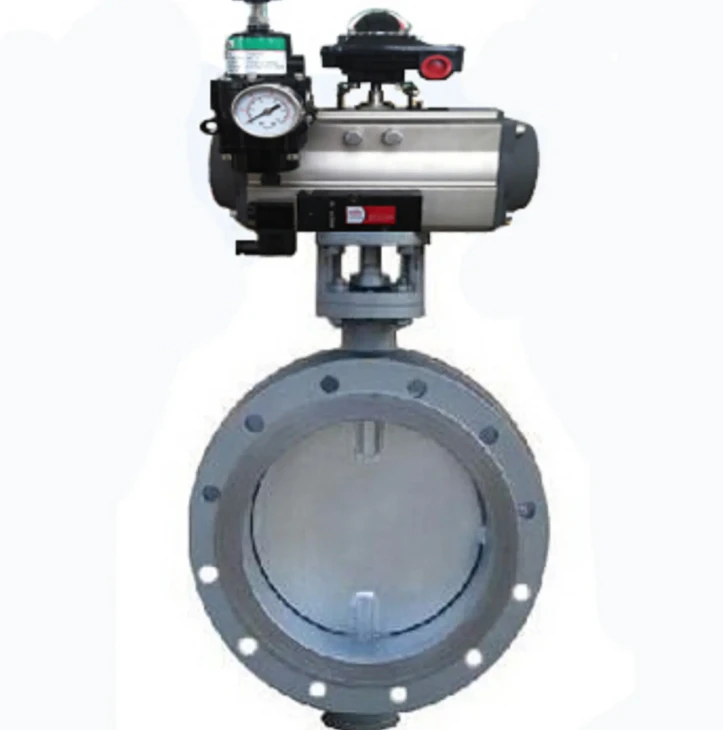
Butterfly valves can be operated manually or with an actuator. Manual valves are the most basic and least expensive option, but they require physical effort to open and close. Actuated valves, on the other hand, can be controlled remotely, which is more convenient and efficient. There are several types of actuators available, including pneumatic, electric, and hydraulic actuators. Each type of actuator has its own cost, with pneumatic actuators being the most common and affordable option.
5. Brand and Quality
The brand and quality of the butterfly valve can also affect its cost. Well-known brands with a reputation for quality and reliability often charge more for their products. However, investing in a high-quality valve can save you money in the long run by reducing maintenance and replacement costs.
Understanding the Cost Range
The cost of a butterfly valve can range from a few dollars to several thousand dollars, depending on the factors mentioned above. Here's a general breakdown of the cost range for different types of butterfly valves:
- Small Aluminum or PVC Valves: These valves typically cost between $20 and $100, depending on the size and features.
- Medium-Sized Stainless Steel Valves: Valves in this category can cost anywhere from $100 to $500, depending on the pressure rating and actuator type.
- Large or High-Pressure Valves: These valves can cost several thousand dollars, especially if they're made from high-quality materials and have advanced features.
Getting the Best Value for Your Money
When purchasing a butterfly valve, it's important to consider not only the upfront cost but also the long-term value. Here are some tips to help you get the best value for your money:
- Research Different Brands and Suppliers: Compare prices and features from different brands and suppliers to find the best deal. Look for suppliers that offer a warranty and good customer support.
- Consider Your Specific Needs: Make sure you choose a valve that meets your specific requirements in terms of size, pressure rating, and material. Don't overspend on features you don't need.
- Factor in Maintenance and Operating Costs: Some valves may require more maintenance or have higher operating costs than others. Consider these factors when making your decision.
Contact Us for a Quote
If you're in the market for a butterfly valve, I'd be happy to provide you with a quote. Just let me know your specific requirements, and I'll do my best to find the right valve for your application at a competitive price. Whether you need a small aluminum valve for a simple project or a large stainless steel valve for a high-pressure system, we've got you covered.
Don't hesitate to reach out if you have any questions or need further information. We're here to help you make the best decision for your business.