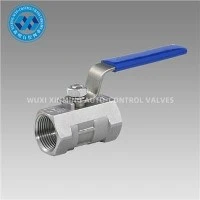
Ball valves are widely used in various industries due to their simple structure, excellent sealing performance, and reliable operation. However, excessive noise during the operation of ball valves can not only cause discomfort to the working environment but also indicate potential problems with the valve or the pipeline system. As a professional ball valve supplier, we understand the importance of noise reduction in ball valve applications. In this article, we will discuss some effective methods to reduce the noise of ball valves.
Understanding the Sources of Ball Valve Noise
Before we explore the ways to reduce ball valve noise, it is essential to understand the sources of the noise. The noise generated by ball valves mainly comes from the following aspects:
- Fluid Velocity: High - velocity fluid passing through the valve can cause turbulence, which in turn generates noise. When the fluid speed is too fast, it creates pressure fluctuations and eddies inside the valve, resulting in a loud hissing or whistling sound.
- Fluid Pressure Fluctuations: Sudden changes in fluid pressure, such as during valve opening and closing, can lead to pressure waves. These pressure waves propagate through the fluid and the valve body, causing vibrations and noise.
- Vibration of Valve Components: Poorly designed or installed valve components can vibrate during operation. For example, if the ball is not properly seated or the stem is loose, it can cause vibrations that generate noise.
- Cavitation: When the fluid pressure drops below its vapor pressure within the valve, cavities or bubbles are formed. These bubbles collapse when the pressure increases again, creating a loud popping or cracking noise. Cavitation can also cause damage to the valve internal parts over time.
Methods to Reduce Ball Valve Noise
1. Select the Appropriate Valve Size
One of the simplest yet most effective ways to reduce noise is to choose the correct valve size for the application. A valve that is too small for the flow rate will cause high fluid velocity, resulting in increased noise. On the contrary, an oversized valve may not operate efficiently, leading to other problems. By accurately calculating the required flow rate and pressure drop, and then selecting the appropriate valve size, we can ensure that the fluid flows through the valve at an optimal velocity, reducing turbulence and noise.
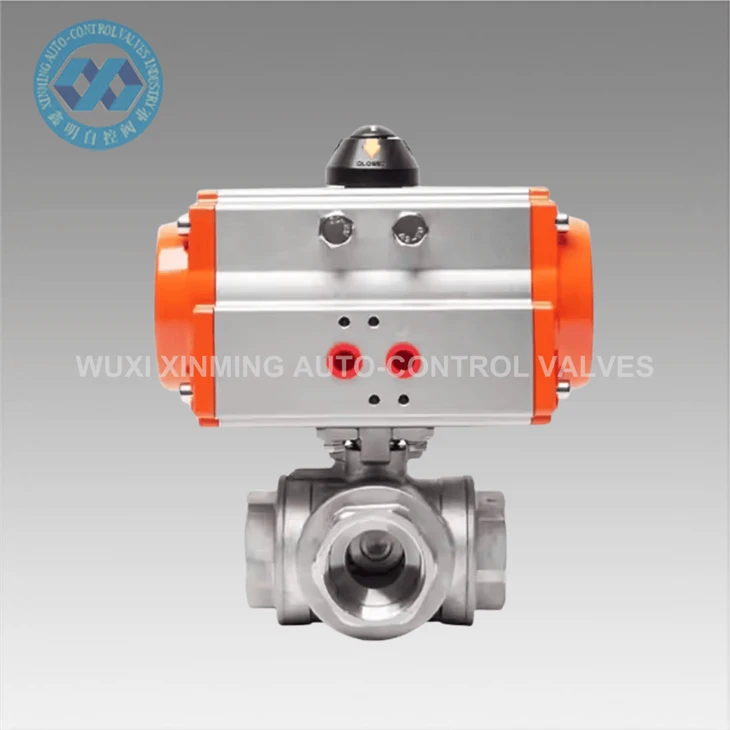
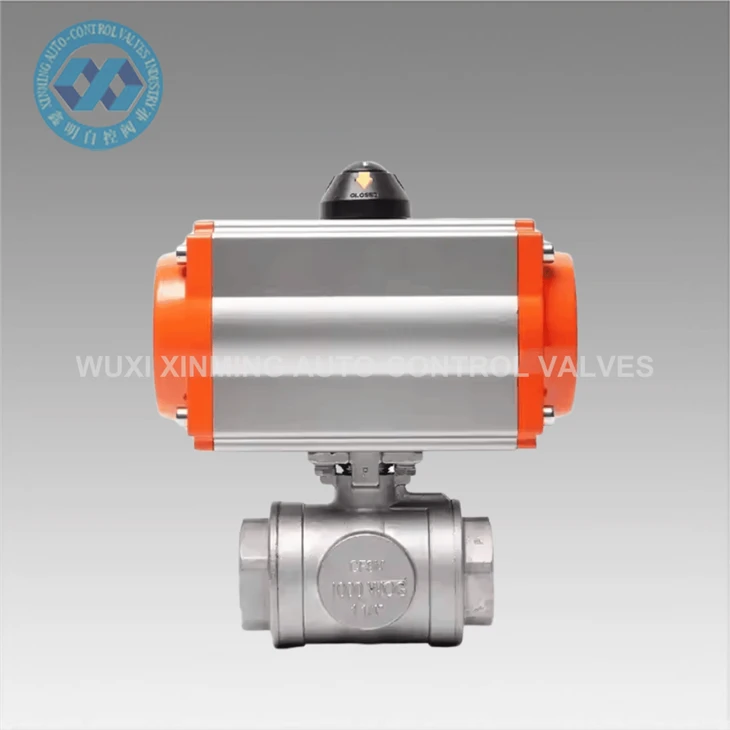
As a ball valve supplier, we offer a wide range of valve sizes and specifications to meet different customer needs. Our High Quality Stainless Steel Pneumatic Three - way Ball Valve is available in various sizes, allowing you to choose the most suitable one for your system.
2. Optimize the Valve Design
The design of the ball valve can significantly affect its noise performance. Some advanced designs can help reduce noise.
- Streamlined Valve Body: A well - designed valve body with a smooth internal surface can reduce the resistance to fluid flow and minimize turbulence. Our engineers pay great attention to the internal design of the valve, ensuring that the fluid can flow through the valve in a more streamlined manner.
- Noise - Dampening Features: Some ball valves are equipped with built - in noise - dampening components, such as rubber gaskets or shock - absorbing materials. These features can absorb the vibrations generated during operation, reducing the transmission of noise.
3. Control Fluid Velocity
As mentioned earlier, high fluid velocity is a major cause of noise. By controlling the fluid velocity, we can effectively reduce noise levels.
- Install Flow Control Devices: Flow control valves, orifices, or restrictors can be installed upstream or downstream of the ball valve to regulate the flow rate and reduce the fluid velocity. These devices create a pressure drop, which slows down the fluid and reduces turbulence.
- Use Multiple Valves in Parallel: In some cases, using multiple smaller valves in parallel instead of a single large valve can help distribute the flow and reduce the fluid velocity through each valve. This approach can be especially effective in high - flow applications.
4. Minimize Pressure Fluctuations
Sudden pressure fluctuations can cause significant noise. To minimize pressure fluctuations, the following measures can be taken:
- Slow - Opening and Closing Valves: Use valves with a slow - opening and closing mechanism. This can prevent sudden changes in pressure and reduce the generation of pressure waves. For example, some pneumatic or electric actuators can be adjusted to control the opening and closing speed of the valve.
- Install Pressure Relief Devices: Pressure relief valves or accumulators can be installed in the pipeline system to absorb sudden pressure surges. These devices can help maintain a relatively stable pressure in the system, reducing noise caused by pressure fluctuations.
5. Prevent Cavitation
Cavitation can not only generate severe noise but also damage the valve. To prevent cavitation:
- Increase the Inlet Pressure: Ensure that the inlet pressure of the valve is high enough to prevent the fluid pressure from dropping below its vapor pressure. This may require adjusting the upstream pressure source or using pumps to boost the pressure.
- Select the Right Valve Material: Choose a valve material that is resistant to cavitation erosion. For example, stainless steel is a common choice due to its good corrosion and cavitation resistance properties. Our Sanitary Grade Stainless Steel 304 316 Ball Valve is made of high - quality stainless steel, which can effectively resist cavitation damage.
6. Proper Installation and Maintenance
Correct installation and regular maintenance of the ball valve are crucial for reducing noise.
- Installation: Ensure that the valve is installed correctly according to the manufacturer's instructions. The valve should be properly aligned with the pipeline, and the flanges or connections should be tightened evenly. Improper installation can cause misalignment, which can lead to vibration and noise.
- Maintenance: Regularly inspect and maintain the valve to ensure its normal operation. Check for any signs of wear, damage, or leakage. Replace worn - out parts in a timely manner. For example, if the valve seals are damaged, it can cause leaks and increased noise.
Conclusion
Reducing the noise of ball valves is a complex task that requires a comprehensive approach. By understanding the sources of noise and taking appropriate measures such as selecting the right valve size, optimizing the valve design, controlling fluid velocity, minimizing pressure fluctuations, preventing cavitation, and ensuring proper installation and maintenance, we can effectively reduce the noise levels of ball valves.
As a leading ball valve supplier, we are committed to providing high - quality ball valves and professional technical support to help our customers solve various problems, including noise reduction. We offer a wide range of ball valves, such as 3 Way Ball Valve and other types, which are designed to meet different industrial requirements.
If you are interested in our ball valves or need more information on noise reduction solutions for ball valves, please feel free to contact us for further discussion and procurement negotiation. We look forward to serving you.