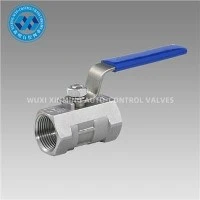
In the realm of industrial fluid control, vacuum ball valves stand out as a critical component, offering a multitude of advantages that make them a preferred choice across various sectors. As a leading supplier of vacuum ball valves, I am excited to delve into the numerous benefits these valves bring to the table.
Precise Flow Control
One of the most significant advantages of using a vacuum ball valve is its ability to provide precise flow control. The design of a ball valve features a spherical disc (the ball) with a hole through the center. When the valve is open, the hole aligns with the flow path, allowing fluid to pass through. By rotating the ball, the flow can be gradually adjusted from fully open to fully closed. This precise control is crucial in applications where accurate regulation of fluid flow is required, such as in chemical processing plants, pharmaceutical manufacturing, and food and beverage production.
For instance, in a chemical processing plant, a vacuum ball valve can be used to control the flow of various chemicals at different stages of the production process. By adjusting the valve, operators can ensure that the right amount of each chemical is added at the right time, maintaining the quality and consistency of the final product. This level of precision helps to minimize waste and improve overall efficiency.
Quick On - Off Operation
Vacuum ball valves are known for their rapid on - off operation. Unlike some other types of valves that may require multiple turns or complex mechanisms to open or close, a ball valve can be fully opened or closed with just a 90 - degree turn of the handle or actuator. This quick operation is essential in situations where immediate shut - off is necessary to prevent spills, leaks, or other safety hazards.
In a laboratory setting, for example, a sudden change in pressure or a malfunction in a system may require the immediate shut - off of a fluid flow. A vacuum ball valve can be quickly closed to isolate the affected area, protecting equipment and personnel from potential harm. This fast response time can be a lifesaver in critical situations.
Low Pressure Drop
Another advantage of vacuum ball valves is their low pressure drop. Pressure drop refers to the decrease in pressure that occurs as a fluid flows through a valve. A low pressure drop means that less energy is required to move the fluid through the valve, resulting in cost savings and improved system efficiency.
The smooth, unobstructed flow path of a ball valve contributes to its low pressure drop. When the valve is fully open, the ball's hole provides a straight - through passage for the fluid, minimizing turbulence and resistance. This is particularly beneficial in applications where energy conservation is a priority, such as in large - scale industrial pipelines or HVAC systems.
High Sealing Performance
Vacuum ball valves offer excellent sealing performance, which is crucial for preventing leaks and maintaining system integrity. The valve's sealing mechanism typically consists of a seat that surrounds the ball, creating a tight seal when the valve is closed. This seal is effective in preventing the leakage of both liquids and gases, even under high pressure or vacuum conditions.
In applications where the containment of hazardous or valuable fluids is essential, such as in the oil and gas industry or semiconductor manufacturing, the high sealing performance of vacuum ball valves is a must - have. A reliable seal helps to protect the environment, prevent product loss, and ensure the safety of personnel.
Durability and Longevity
Vacuum ball valves are built to last. They are typically constructed from high - quality materials such as stainless steel, brass, or plastic, which are resistant to corrosion, wear, and tear. This durability makes them suitable for use in harsh environments, including those with high temperatures, corrosive chemicals, or abrasive substances.
In addition, the simple design of ball valves means that there are fewer moving parts compared to other types of valves. This reduces the likelihood of mechanical failure and extends the valve's service life. With proper maintenance, a vacuum ball valve can operate reliably for many years, providing a cost - effective solution for fluid control.
Versatility
Vacuum ball valves are highly versatile and can be used in a wide range of applications. They are available in various sizes, materials, and configurations to suit different needs. For example, 3 Way Ball Valve With 180 Degree Turn Pneumatic Actuator is suitable for applications where fluid diversion or mixing is required. These valves can be used to direct the flow of fluids between different pipelines or to combine multiple streams of fluids.
Flange Ball Valve is another popular option, especially for large - diameter pipelines. The flange connection provides a secure and leak - proof joint, making it ideal for high - pressure applications.
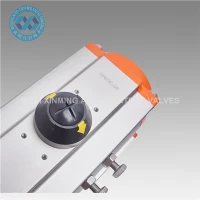
Double Acting Plastic Pneumatic Actuator Ball Valve is a great choice for applications where automated control is required. The pneumatic actuator allows for remote operation and precise control of the valve, making it suitable for use in industrial automation systems.


Easy Installation and Maintenance
Installing a vacuum ball valve is relatively straightforward. The valve can be easily connected to the pipeline using standard fittings, and the simple design makes it easy to understand and operate. In addition, maintenance requirements are minimal. Regular inspection and cleaning can help to ensure the valve's proper functioning and extend its service life.
If a problem does occur, the modular design of many vacuum ball valves allows for easy replacement of individual components, reducing downtime and repair costs. This ease of installation and maintenance makes vacuum ball valves a practical choice for both small - scale and large - scale applications.
Compatibility with Different Fluids
Vacuum ball valves are compatible with a wide range of fluids, including liquids, gases, and slurries. The choice of valve material can be tailored to suit the specific properties of the fluid being handled. For example, stainless steel valves are suitable for corrosive fluids, while plastic valves are often used for non - corrosive liquids and gases.
This compatibility makes vacuum ball valves a versatile solution for various industries, from water treatment and wastewater management to chemical processing and power generation.
In conclusion, the advantages of using a vacuum ball valve are numerous. From precise flow control and quick on - off operation to low pressure drop, high sealing performance, durability, versatility, easy installation, and compatibility with different fluids, these valves offer a comprehensive solution for fluid control needs.
If you are in the market for high - quality vacuum ball valves, I invite you to reach out to us for more information. We are committed to providing our customers with the best products and services. Whether you need a standard valve or a custom - designed solution, we have the expertise and resources to meet your requirements. Contact us today to start a discussion about your fluid control needs and explore how our vacuum ball valves can benefit your operations.