Hey there! As a supplier of Vacuum Ball Valves, I often get asked about how long these valves can actually last. It's a super important question, especially for those who are looking to invest in high - quality valves for their industrial or commercial applications. So, let's dive right into it and explore the service life of a vacuum ball valve.
Factors Affecting the Service Life of Vacuum Ball Valves
First off, there are several factors that can have a big impact on how long a vacuum ball valve lasts. One of the most crucial factors is the quality of the materials used in its construction. A valve made from high - grade materials is likely to have a longer service life compared to one made from lower - quality materials. For example, valves made from stainless steel are known for their corrosion resistance, which can significantly extend their lifespan, especially in harsh environments.
The operating conditions also play a huge role. If a vacuum ball valve is used in a high - pressure or high - temperature environment, it will face more wear and tear. High - pressure applications can put a lot of stress on the valve components, such as the ball and the seats. Over time, this stress can cause the valve to malfunction or fail. Similarly, high - temperature environments can cause the materials to expand and contract, which can also lead to premature wear.
Another factor is the frequency of use. A valve that is used constantly will naturally have a shorter service life than one that is used less frequently. For instance, in a manufacturing plant where the valve is opened and closed multiple times a day, the valve's internal components will experience more friction and wear.
The quality of maintenance also matters a great deal. Regular maintenance, such as cleaning, lubrication, and inspection, can help to keep the valve in good working condition and extend its service life. If a valve is not properly maintained, dirt, debris, and corrosion can build up inside the valve, which can lead to blockages and other issues.
Typical Service Life Expectations
On average, a well - maintained vacuum ball valve can last anywhere from 5 to 15 years. However, this is just a rough estimate, and the actual service life can vary widely depending on the factors we discussed earlier.
In a relatively mild operating environment, where the pressure and temperature are within normal ranges and the valve is used moderately, a high - quality vacuum ball valve can last up to 15 years. For example, in a laboratory setting where the valve is used for low - pressure vacuum applications and is well - maintained, it can have a long service life.


On the other hand, in a more demanding industrial environment, such as a chemical processing plant where the valve is exposed to corrosive chemicals and high - pressure conditions, the service life may be closer to 5 years. In such cases, the valve may need to be replaced more frequently to ensure the safety and efficiency of the system.
Our Product Range and Their Durability
As a Vacuum Ball Valve supplier, we offer a wide range of valves to meet different customer needs. Our High Performance PVC Ball Valve is a great option for applications where corrosion resistance is important. PVC is a durable material that can withstand a variety of chemicals, making it suitable for use in many industrial and commercial settings. This valve is designed to provide reliable performance over a long period of time, even in harsh environments.
We also have the Explosion - Proof Pneumatic Ball Valve. This valve is specifically designed for use in hazardous environments where there is a risk of explosion. It is built with high - quality materials and advanced safety features to ensure long - term reliability. The pneumatic actuator allows for easy and precise control of the valve, and the explosion - proof design provides an extra layer of safety.
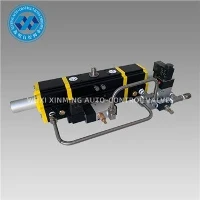
Another popular product in our range is the Pneumatic Actuator 3PC Thread Ball Valve. This valve is known for its compact design and easy installation. The 3PC thread construction makes it easy to disassemble and maintain, which can help to extend its service life. The pneumatic actuator provides fast and reliable operation, making it suitable for a wide range of applications.
Tips to Extend the Service Life of Vacuum Ball Valves
If you want to get the most out of your vacuum ball valve, here are some tips to help you extend its service life:
- Proper Installation: Make sure the valve is installed correctly according to the manufacturer's instructions. Incorrect installation can lead to leaks, premature wear, and other issues.
- Regular Maintenance: As mentioned earlier, regular maintenance is key. Clean the valve regularly to remove dirt and debris, and lubricate the moving parts to reduce friction.
- Monitor Operating Conditions: Keep an eye on the pressure, temperature, and other operating conditions. If the conditions are outside the recommended range, take appropriate measures to adjust them.
- Use the Right Valve for the Job: Make sure you choose the right valve for your specific application. Using a valve that is not suitable for the operating conditions can significantly reduce its service life.
Conclusion
In conclusion, the service life of a vacuum ball valve can vary depending on several factors, including the quality of materials, operating conditions, frequency of use, and maintenance. On average, a well - maintained valve can last between 5 and 15 years. As a Vacuum Ball Valve supplier, we are committed to providing high - quality valves that offer long - term reliability. If you're in the market for a vacuum ball valve, we'd love to have a chat with you. We can help you choose the right valve for your needs and provide you with all the information you need to ensure its long - term performance. So, don't hesitate to reach out and start a conversation about your valve requirements.