Hey there! As a thread ball valve supplier, I've seen firsthand how important it is to install these valves correctly, especially in vertical pipelines. In this blog post, I'll walk you through the step-by-step process of installing a thread ball valve in a vertical pipeline. Whether you're a DIY enthusiast or a professional plumber, these tips will come in handy.
Why Choose a Thread Ball Valve for Vertical Pipelines?
Before we dive into the installation process, let's quickly talk about why thread ball valves are a great choice for vertical pipelines. Thread ball valves are known for their durability, reliability, and ease of use. They provide a tight seal, preventing leaks and ensuring efficient flow control. Plus, they're relatively easy to install and maintain, making them a popular choice for both residential and commercial applications.
Tools and Materials You'll Need
Before you start the installation process, make sure you have all the necessary tools and materials on hand. Here's a list of what you'll need:


- Thread ball valve
- Pipe wrench
- Teflon tape
- Pipe cutter (if needed)
- Safety glasses
- Gloves
Step 1: Shut Off the Water Supply
The first step in any plumbing installation is to shut off the water supply. This will prevent any water from flowing through the pipeline while you're working on it. Locate the main water shut-off valve and turn it clockwise until it's fully closed. You may also want to open a faucet to relieve any pressure in the pipeline.
Step 2: Measure and Cut the Pipe (if needed)
If the pipe where you'll be installing the thread ball valve is too long, you'll need to cut it to the appropriate length. Use a pipe cutter to make a clean, straight cut. Make sure to measure the pipe carefully before cutting to ensure a proper fit.
Step 3: Apply Teflon Tape
Once the pipe is cut (if necessary), it's time to apply Teflon tape to the male threads of the pipe. Teflon tape helps create a watertight seal between the pipe and the valve. Wrap the tape around the threads in a clockwise direction, making sure to cover the entire threaded area. Leave a small amount of tape at the end to prevent it from unraveling.
Step 4: Install the Thread Ball Valve
Now it's time to install the thread ball valve. Take the valve and align it with the end of the pipe. Thread the valve onto the pipe by hand, turning it clockwise until it's snug. Use a pipe wrench to tighten the valve further, but be careful not to over-tighten it, as this could damage the threads or the valve.
Step 5: Check for Leaks
Once the valve is installed, it's important to check for leaks. Turn on the water supply and let the water run through the pipeline for a few minutes. Inspect the valve and the connections for any signs of leaks. If you notice any leaks, turn off the water supply and tighten the connections further using a pipe wrench.
Step 6: Test the Valve
After checking for leaks, it's time to test the valve. Open and close the valve several times to make sure it's working properly. The valve should open and close smoothly, without any sticking or resistance. If you notice any problems, turn off the water supply and inspect the valve for any damage or debris.
Step 7: Secure the Valve
Once you've tested the valve and confirmed that it's working properly, it's time to secure it in place. Use a pipe strap or a mounting bracket to secure the valve to the pipeline or the wall. This will prevent the valve from moving or vibrating, which could cause leaks or damage over time.
Step 8: Clean Up
Finally, clean up any debris or tools that you used during the installation process. Make sure to dispose of any waste materials properly. You may also want to wipe down the valve and the surrounding area to remove any dirt or grime.
Additional Tips and Considerations
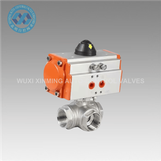
- When choosing a thread ball valve for your vertical pipeline, make sure to select a valve that is compatible with the size and type of pipe you're using. You can find a wide range of thread ball valves, including Pneumatic Ball Valve With Internal Thread, High Performance PVC Ball Valve, and Sanitary Grade Stainless Steel 304 316 Ball Valve on our website.
- If you're installing the valve in a high-pressure or high-temperature application, make sure to choose a valve that is designed for these conditions.
- Always wear safety glasses and gloves when working with plumbing tools and materials to protect yourself from injury.
- If you're not comfortable installing the valve yourself, it's always a good idea to hire a professional plumber. They have the experience and expertise to install the valve correctly and safely.
Conclusion
Installing a thread ball valve in a vertical pipeline is a relatively straightforward process that can be completed by most DIY enthusiasts. By following the steps outlined in this blog post and using the right tools and materials, you can ensure a successful installation. If you have any questions or need further assistance, please don't hesitate to contact us. We're a leading thread ball valve supplier, and we're here to help you find the right valve for your needs. Whether you're looking for a Pneumatic Ball Valve With Internal Thread, a High Performance PVC Ball Valve, or a Sanitary Grade Stainless Steel 304 316 Ball Valve, we've got you covered. Contact us today to discuss your requirements and get a quote.
References
- "Plumbing Basics: How to Install a Ball Valve." Family Handyman.
- "Threaded Ball Valve Installation Guide." PlumbingSupply.com.