Alright folks, as a ball valve supplier, I get a lot of questions about all sorts of valve - related issues. One big headache that comes up time and time again is water hammer when using a ball valve. So, let's dig into it and figure out how we can prevent this pesky problem.
First off, what exactly is water hammer? You know that loud banging sound you sometimes hear in your pipes? That's water hammer. It happens when the flow of water in a pipe is suddenly stopped or changed, usually when a valve like our ball valve is closed quickly. The moving water has a lot of momentum, and when it's abruptly halted, it creates pressure waves that bounce back and forth in the pipe. These waves can cause that banging noise, and over time, they can even damage your pipes, valves, and other plumbing components.
Now, why is it important for you to prevent water hammer when using a ball valve? Well, the noise alone can be really annoying, right? Imagine having that constant banging in your home or workplace. But more importantly, the damage it can cause can be costly. Leaky pipes, broken valves, and other plumbing failures can lead to water damage and expensive repairs. So, let's look at some ways to stop water hammer in its tracks.
1. Use a Slow - Closing Ball Valve
One of the simplest ways to prevent water hammer is to use a ball valve that closes slowly. When a valve closes gradually, it gives the water in the pipe time to slow down smoothly, reducing the chance of those sudden pressure changes that cause water hammer.
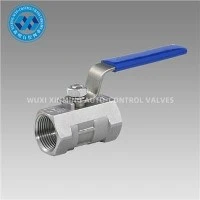
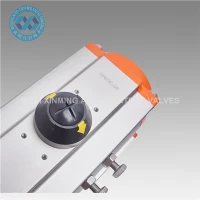
We offer some great options in this regard. For example, our High Quality Stainless Steel Pneumatic Three - way Ball Valve can be adjusted to close at a slower pace. This type of valve is not only made of high - quality stainless steel, which is durable and resistant to corrosion, but it also allows for precise control of the closing speed. By setting it to close slowly, you can significantly reduce the risk of water hammer in your system.
2. Install a Water Hammer Arrestor
A water hammer arrestor is a device that acts like a shock absorber for your plumbing system. It's usually installed near the valve or at other points in the pipe where water hammer is likely to occur. When the pressure wave from the water hammer hits the arrestor, it compresses a cushion of air inside, absorbing the shock and preventing the wave from causing damage.
There are different types of water hammer arrestors available, and depending on your specific needs, we can help you choose the right one. Whether you're using a small - scale domestic system or a large - scale industrial pipeline with our Pneumatic Ball Valve For Precision Control And Industrial Flow Regulation, a water hammer arrestor can be a great addition to your setup.
3. Adjust the Pipeline Pressure
Sometimes, high pipeline pressure can contribute to water hammer. If the pressure in your pipes is too high, the water will be flowing at a faster speed, and when the valve closes, the resulting pressure wave will be stronger. So, it's a good idea to check and adjust the pressure in your pipeline.


You can use pressure - regulating valves to keep the pressure at a safe and stable level. Make sure to do this in consultation with an expert if you're not familiar with the process. A properly regulated pipeline pressure will not only help prevent water hammer but also extend the lifespan of your ball valves and other plumbing parts. Our Pneumatic Ball Valve With Internal Thread works well in systems with regulated pressure, ensuring smooth operation and reducing the risk of water hammer.
4. Proper Valve Sizing
Using the right - sized ball valve for your pipeline is crucial. If a valve is too small for the flow rate of the water, it will cause the water to flow through at a higher velocity. When this high - velocity water is suddenly stopped by the valve closing, it can create a more severe water hammer effect.
On the other hand, if the valve is too large, it may not close properly, leading to other problems. So, make sure to calculate the correct valve size based on the flow rate, pressure, and other factors of your specific system. As a ball valve supplier, we have the expertise to help you choose the right - sized valve for your needs.
5. Training and Maintenance
Proper training for the people who operate the ball valves is essential. They should know how to open and close the valves correctly to avoid sudden changes in the water flow. For example, they should be taught to close the valve gradually rather than slamming it shut.
Regular maintenance of your ball valves and the entire plumbing system is also important. Check for any signs of wear and tear, leaks, or other issues. If you notice any problems, address them promptly. A well - maintained system is less likely to experience water hammer.
In conclusion, preventing water hammer when using a ball valve is all about taking a few simple but important steps. By using slow - closing valves, installing water hammer arrestors, adjusting pipeline pressure, choosing the right - sized valve, and ensuring proper training and maintenance, you can keep your plumbing system running smoothly and avoid the headaches and costs associated with water hammer.
If you're in the market for high - quality ball valves or have any questions about preventing water hammer, don't hesitate to reach out. We're here to help you find the best solutions for your needs. Whether you're a homeowner, a business owner, or an industrial operator, we've got the products and expertise to support you. Contact us today to start the procurement process and let's discuss how we can work together to make your plumbing system more efficient and reliable.