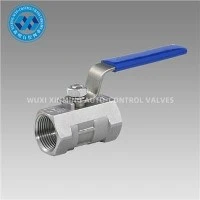
When it comes to industrial equipment, solenoid valves play a crucial role in controlling the flow of liquids and gases. As a solenoid valve supplier, I've witnessed firsthand the multitude of factors that impact the cost of these essential components. Understanding these factors is key for customers looking to make informed purchasing decisions and for businesses aiming to optimize their procurement strategies. In this blog post, I'll delve into the various elements that influence the cost of a solenoid valve, providing insights that can help you navigate the market more effectively.
Material Quality
One of the primary factors affecting the cost of a solenoid valve is the quality of materials used in its construction. High - grade materials offer superior performance, durability, and resistance to corrosion, wear, and extreme conditions. For instance, valves made from stainless steel are more expensive than those made from brass or plastic. Stainless steel provides excellent corrosion resistance, making it ideal for applications in harsh environments such as chemical processing plants or marine settings.
Similarly, the quality of the solenoid coil also matters. Coils made with high - quality copper wire and advanced insulation materials are more reliable and have a longer lifespan. They are less likely to overheat or malfunction, which is crucial for continuous operation in industrial processes. However, these high - quality coils come at a higher cost compared to their lower - quality counterparts.
Design Complexity
The design of a solenoid valve can significantly impact its price. Simple, standard valves with basic functions are generally more affordable. These valves typically have a straightforward structure and are suitable for common applications where precise control and complex operations are not required.
On the other hand, solenoid valves with complex designs, such as those with multiple ports, special flow characteristics, or integrated control systems, are more expensive. For example, a multi - way solenoid valve that can direct fluid flow in multiple directions requires a more intricate internal structure and advanced manufacturing processes. This increased complexity in design leads to higher production costs, which are then reflected in the price of the valve.
We offer a Long Life Pneumatic Air Control Solenoid Valve that combines a well - thought - out design with high - quality materials, ensuring long - term performance and reliability.
Performance Specifications
The performance specifications of a solenoid valve, such as flow rate, pressure rating, and response time, are vital factors in determining its cost. Valves designed to handle high - flow rates or operate at high pressures need to be built stronger and more robustly. They often feature larger internal passages, thicker walls, and stronger seals to withstand the forces involved. These enhanced design features contribute to a higher manufacturing cost.
Fast response times are also important in many applications, particularly in those where precise timing is crucial. Solenoid valves with rapid response times usually require more advanced solenoid technology and higher - quality components. For example, a solenoid valve that can switch on and off within milliseconds is more likely to use a high - performance solenoid coil and a well - designed armature to achieve such speed. This improvement in performance drives up the cost of the valve.
Brand and Reputation
The brand and reputation of the solenoid valve supplier can also have an impact on the price. Well - established brands with a long - standing reputation for quality and reliability often charge a premium for their products. These brands invest heavily in research and development, quality control, and customer support. They have a track record of delivering high - performance valves that meet or exceed industry standards.
Customers are willing to pay more for a product from a trusted brand because they have confidence in its quality and durability. Additionally, well - known brands often offer better after - sales service, including technical support, warranty, and spare parts availability. This added value justifies the higher price point for many customers.
Manufacturing Process
The manufacturing process used to produce a solenoid valve can affect its cost. Precision - manufacturing techniques, such as CNC machining, ensure high levels of accuracy and consistency in the valve's dimensions and performance. However, these processes are more expensive than traditional manufacturing methods due to the high cost of equipment, skilled labor, and the time required for production.


In addition, quality control measures during the manufacturing process also contribute to the cost. Rigorous testing at every stage of production, from raw material inspection to final product testing, helps ensure that the valve meets the required specifications. This comprehensive quality control system adds to the overall cost of production but results in a more reliable and high - quality product.
Market Demand and Supply
The basic economic principle of supply and demand also applies to the solenoid valve market. When demand for a particular type of solenoid valve is high and the supply is limited, the price of the valve tends to increase. This can occur due to factors such as a sudden surge in demand from a specific industry, a shortage of raw materials, or a disruption in the supply chain.
Conversely, when there is an oversupply of solenoid valves in the market, prices are likely to drop as suppliers compete for customers. Market trends, technological advancements, and changes in industry regulations can also influence the demand and supply dynamics of solenoid valves, thereby affecting their cost.
Customization Requirements
Many customers have specific requirements for solenoid valves that go beyond the standard offerings. Custom - made solenoid valves are designed to meet these unique needs, such as special sizes, materials, or performance characteristics. The process of customizing a solenoid valve involves additional engineering work, design modifications, and potentially new manufacturing processes. This customization adds to the cost of the valve, as it requires more time, resources, and expertise from the supplier.
We also offer a High Performance Pneumatic Actuator Solenoid Valve that can be customized to meet specific application requirements, ensuring optimal performance in your industrial processes.
Environmental Considerations
In today's environmentally conscious world, solenoid valves that are designed to be energy - efficient and environmentally friendly often come at a higher cost. These valves are engineered to reduce energy consumption, minimize emissions, and use sustainable materials. For example, some solenoid valves are designed with low - power consumption coils, which can significantly reduce energy costs over the long term. However, the development and production of these energy - efficient valves require additional research and development, as well as the use of advanced technologies, which increase the overall cost.
Conclusion
In conclusion, the cost of a solenoid valve is influenced by a wide range of factors, including material quality, design complexity, performance specifications, brand and reputation, manufacturing process, market demand and supply, customization requirements, and environmental considerations. As a solenoid valve supplier, we understand the importance of providing high - quality products at competitive prices. We strive to offer a diverse range of solenoid valves to meet the different needs and budgets of our customers.
If you're in the market for solenoid valves and want to discuss your requirements, we're here to help. Our team of experts can provide detailed information about our products, including the Durable Pneumatic Solenoid Valve, and assist you in making the right purchasing decision. Contact us today to start a procurement discussion and find the best solenoid valve solution for your application.