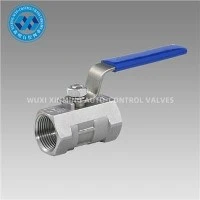
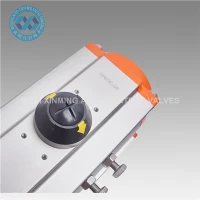
Hey there! As a supplier of welded ball valves, I've seen my fair share of leakage issues. It's a headache that can cause all sorts of problems, from minor annoyances to major safety hazards. So, I thought I'd share some tips on how to prevent leakage in a welded ball valve.
Understanding the Basics
First things first, let's talk about what a welded ball valve is and how it works. A welded ball valve is a type of valve that uses a ball with a hole in the middle to control the flow of fluid. The ball is connected to a stem, which is used to turn the ball and open or close the valve. The valve body is welded together, which makes it more durable and less likely to leak than other types of valves.
Common Causes of Leakage
Now that we know how a welded ball valve works, let's take a look at some of the common causes of leakage.
- Improper Installation: One of the most common causes of leakage in a welded ball valve is improper installation. If the valve is not installed correctly, it can cause the seals to become damaged or misaligned, which can lead to leakage.
- Wear and Tear: Over time, the seals and other components of a welded ball valve can wear out, which can cause leakage. This is especially true if the valve is used frequently or in harsh environments.
- Corrosion: Corrosion can also cause leakage in a welded ball valve. If the valve is exposed to corrosive chemicals or fluids, it can cause the metal to rust or corrode, which can weaken the valve and cause it to leak.
- Overpressure: Another common cause of leakage in a welded ball valve is overpressure. If the pressure in the system exceeds the rated pressure of the valve, it can cause the valve to fail and leak.
Tips for Preventing Leakage
Now that we know some of the common causes of leakage in a welded ball valve, let's take a look at some tips on how to prevent it.
- Proper Installation: One of the most important things you can do to prevent leakage in a welded ball valve is to make sure it is installed correctly. This means following the manufacturer's instructions carefully and using the correct tools and materials. Make sure the valve is aligned properly and that the seals are installed correctly.
- Regular Maintenance: Regular maintenance is also essential for preventing leakage in a welded ball valve. This means inspecting the valve regularly for signs of wear and tear, corrosion, and other damage. Replace any worn or damaged components as soon as possible to prevent further damage.
- Use the Right Materials: When choosing a welded ball valve, it's important to choose one that is made from the right materials for your application. Make sure the valve is designed to handle the pressure, temperature, and chemical composition of the fluid you are using.
- Monitor the Pressure: Monitoring the pressure in the system is also important for preventing leakage in a welded ball valve. Make sure the pressure in the system does not exceed the rated pressure of the valve. If the pressure does exceed the rated pressure, take steps to reduce the pressure as soon as possible.
- Use a Backup Valve: In some cases, it may be a good idea to use a backup valve in case the primary valve fails. This can help prevent leakage and minimize the damage caused by a valve failure.
Our Products
At our company, we offer a wide range of Welded Ball Valve that are designed to prevent leakage and provide reliable performance. Our valves are made from high-quality materials and are tested to ensure they meet the highest standards of quality and reliability.
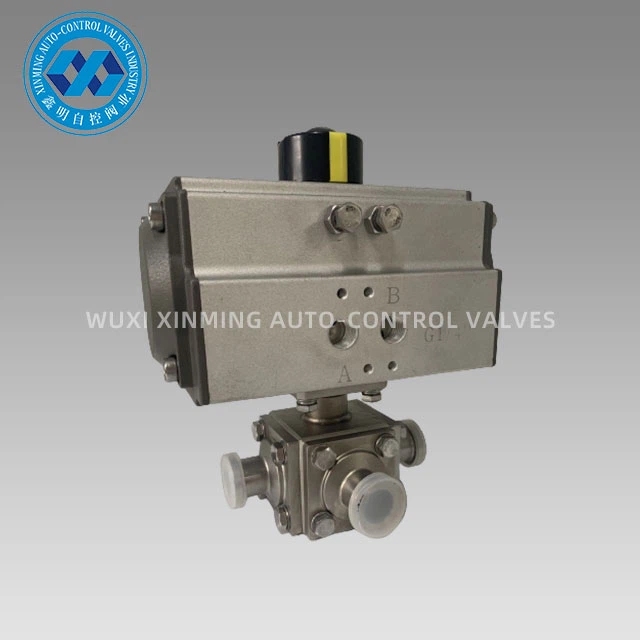

We also offer a variety of other valves, including Pneumatic Actuator Tri-clamp Three Way Ball Valve, 3 Way Ball Valve With Pneumatic Actuator, and Flange Ball Valve. Our valves are available in a variety of sizes and configurations to meet the needs of any application.
Contact Us
If you're looking for a reliable supplier of welded ball valves or other types of valves, look no further! We're here to help you find the right valve for your application and provide you with the support and service you need to keep your system running smoothly.
Contact us today to learn more about our products and services or to request a quote. We look forward to hearing from you!