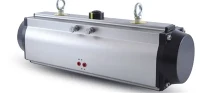
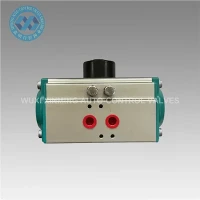
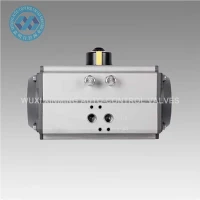
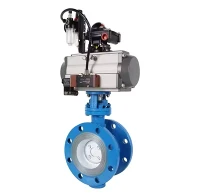
Evaluating the cost of Pneumatic Actuators goes beyond initial purchase price-balancing efficiency with long-term operating expenses is key to maximizing value.
Initial Purchase Cost
Pneumatic Actuators typically have lower upfront costs compared to some alternatives. Basic models for standard tasks are economically priced, making them accessible for small to mid-sized operations. However, specialized actuators have higher initial costs, but they avoid inefficiencies from using ill-suited models that fail quickly.
Energy Consumption Costs
Efficiency directly impacts energy expenses. Well-designed Pneumatic Actuators with minimal air leakage reduce compressed air usage-since compressed air systems account for a significant portion of industrial energy use. Poorly sealed actuators waste air, driving up energy bills over time. Choosing energy-efficient models offsets higher initial costs through long-term savings.
Maintenance and Repair Costs
Pneumatic Actuators with simple structures have lower maintenance costs. Routine tasks like lubrication or seal replacement are low-cost and easy to perform. In contrast, inefficient or low-quality actuators experience frequent breakdowns, leading to higher repair costs and unplanned downtime. Investing in durable models reduces these ongoing expenses.
Lifespan and Replacement Costs
Efficient Pneumatic Actuators have longer service lives, delaying the need for replacement. Actuators that match application needs avoid premature failure, reducing the frequency of costly replacements. While efficient models may cost more initially, their extended lifespan lowers the total cost of ownership over time.
If you're interested in learning more about pneumatic actuators and other related information, please contact WUXI XINMING AUTO-CONTROL VALVES INDUSTRY for more information. Our professional team is always available.