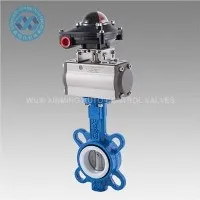
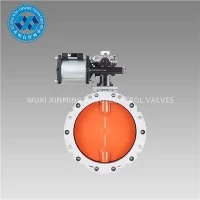
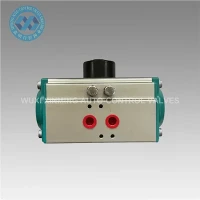
Pneumatic Actuators play a vital role in boosting efficiency across industrial automation systems, leveraging unique traits to streamline operations and reduce downtime.
Fast Response for Rapid Cycles
Pneumatic Actuators convert compressed air into mechanical motion quickly, enabling fast start-stop cycles. In assembly lines or packaging processes, this speed shortens task completion time-for example, rapidly clamping workpieces or moving components between stations. Faster cycles mean more tasks are finished in the same period, directly lifting overall production efficiency.
Robustness in Harsh Environments
These actuators resist high temperatures, moisture, and dust, common in industrial settings like foundries or chemical plants. Unlike delicate alternatives, they rarely fail due to harsh conditions, cutting unplanned downtime. Less downtime keeps automation systems running continuously, avoiding delays that hinder efficiency.
Simple Maintenance & Low Costs
Pneumatic Actuators have simple structures with fewer moving parts, making maintenance easy and less frequent. They also don't require complex power systems-only compressed air supplies, which are often already available in factories. Lower maintenance time and cost reduce operational burdens, letting teams focus on optimizing production rather than fixing equipment.
Reliable for Repetitive Tasks
Industrial automation relies heavily on repetitive tasks, such as opening/closing valves or sorting products. Pneumatic Actuators deliver consistent performance without wear from repetition, ensuring tasks are done accurately every time. Consistency reduces errors that require rework, saving time and resources to maintain high efficiency.
If you have any pneumatic actuator needs, please contact WUXI XINMING AUTO-CONTROL VALVES INDUSTRY. Our professional technical team has extensive experience and superb skills.