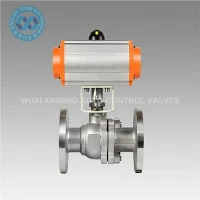
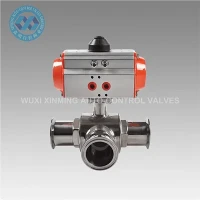
Pneumatic actuators convert compressed air energy into mechanical motion, while electric actuators use electric power to drive movement. The two differ in key aspects that determine their suitability for different systems.
Working Characteristics
Pneumatic actuators are simple in structure, with fast response speeds and strong resistance to harsh environments like high temperatures or moisture. They rely on an air supply, so they need supporting air compressors and pipelines. However, they have lower precision in motion control and cannot hold position steadily without continuous air pressure.
Electric actuators offer high precision, with adjustable speed and position control. They operate independently without additional air systems, and can maintain position stably when powered off. But they are more complex in structure, have slower response speeds compared to pneumatic types, and are less resistant to extreme temperatures or humidity.
Suitable Scenarios
Pneumatic actuators are ideal for applications needing quick, repetitive movements-such as valve control in oil and gas, or clamping tools in manufacturing lines-especially in harsh working conditions.
Electric actuators are better for systems requiring precise control, like robotic arms in electronics assembly, or position-adjusting components in medical equipment. They are also preferred in environments where clean, quiet operation is needed, as they produce less noise and no air leakage.
If you'd like to learn more about pneumatic actuators, please feel free to contact us! We have cutting-edge technical information and a professional service team, and we look forward to working with you to achieve mutual success!