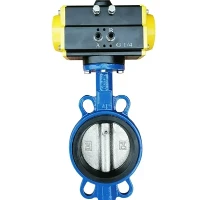
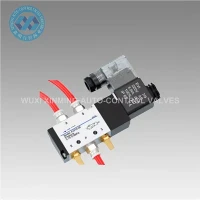
Selecting the right double-acting pneumatic rotary actuator is a critical decision that directly impacts the efficiency, reliability, and longevity of your automated system. It's more than just matching torque specs; it's about finding the perfect component that integrates seamlessly with your specific application. A well-chosen actuator ensures precise motion control, minimizes maintenance downtime, and provides a strong return on investment. This guide will walk you through the key parameters you must consider to make an informed and optimal selection.
1. Define Your Core Application Requirements
Begin with the fundamentals of your application. What is the precise rotary angle required? Common standards are 90°, 180°, or 270°. Next, determine the operating torque. Calculate the torque needed to move your load under real-world conditions, factoring in friction and safety. A safety factor (typically 25-50%) should be added to the calculated torque to account for variables like wear or unexpected resistance. Finally, consider the operating speed and any necessary cushioning at the stroke ends to prevent impact damage.
2. Evaluate Key Performance Specifications
With your requirements defined, evaluate the actuator's specifications.
- Torque Output: Ensure the actuator's torque, at your available air pressure, exceeds your calculated requirement with the safety margin included.
- Port and Mounting: Verify the port size matches your pneumatic circuit, and that the mounting interface (ISO, NAMUR, custom) aligns perfectly with your valve or mechanism to avoid costly adapters.
- Material and Environment: The actuator's construction materials must be compatible with the operational environment. Consider corrosion resistance for wet or chemical exposures, temperature range for extreme conditions, and IP ratings for dust or moisture protection.
3. Make the Final, Balanced Decision
The final selection involves balancing technical needs with practical considerations.
- Quality vs. Cost: While initial cost is important, prioritize long-term value. A higher-quality actuator from a reputable manufacturer often delivers greater reliability and a lower total cost of ownership over its lifespan.
- Vendor Support: Choose a supplier who offers comprehensive technical data, responsive support, and reliable warranty services. Their expertise can be invaluable in the selection and integration process.
Selecting the right double-acting actuator is a strategic process that blends precise technical calculation with practical foresight. By systematically assessing your application demands against the actuator's capabilities, you secure not just a component, but a foundation for durable and efficient system performance.
If you require professional assistance in selecting the ideal actuator for your specific application, please feel free to contact us. Our engineering team is ready to provide expert support.