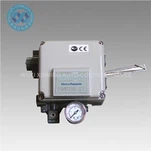
Key Points of Pneumatic Actuator Selection
In the actual production process, the correct selection of a pneumatic actuator for a pneumatic valve is actually very important, because if the actuator is too large, the valve stem may be excessively stressed. If the actuator is too small, it will not produce enough Torque to fully operate the valve.
Under normal circumstances, the selection of pneumatic actuators needs to consider multiple factors, such as the operating conditions of the valve, operating temperature, operating frequency, management and pressure difference, conveying medium (lubrication, drying, mud), etc., when choosing a pneumatic actuator In the process, the main points are as follows.
1. Operating thrust: There are two main structures of the valve electric device: one is not equipped with a thrust plate, and the torque is directly output; the other is with a thrust plate, and the output torque is converted into output thrust through the valve stem nut in the thrust plate.
2. Operating torque: Select the most important parameter of the valve electric device. The output torque of the pneumatic actuator should be 1.2 to 1.5 times the maximum operating torque of the valve.
3. Stem diameter vs. multi-turn type rising stem valve: If the maximum stem diameter allowed by the electric device cannot pass through the stem of the equipped valve, it cannot be assembled into an electric valve. Therefore, the inner diameter of the hollow output shaft of the electric device must be larger than the outer diameter of the stem of the rising stem valve. For part-turn valves and dark-stem valves in multi-turn valves, although the passage of the stem diameter does not need to be considered, the stem diameter and the size of the keyway should be fully considered when selecting and matching, so that it can work normally after assembly.