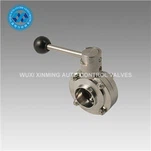
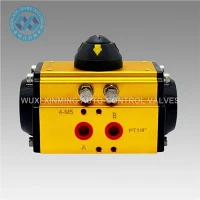
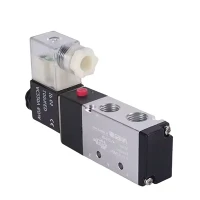
As a specialized type of Pneumatic Actuators, Pneumatic Rotary Actuators require regular maintenance to preserve their rotational precision and extend service life, avoiding costly downtime in industrial operations.
Regular Cleaning and Contamination Prevention
Keep external surfaces and air intake ports free from dust, debris, and moisture. Wipe external components with a clean, dry cloth to prevent buildup that could clog air passages or damage moving parts. For air intake areas, use compressed air to blow away accumulated particles-contamination is a leading cause of jittery rotation or increased friction, which shortens actuator life.
Proper Lubrication of Moving Parts
Apply manufacturer-recommended lubricant to key moving components, such as gears in rack-and-pinion models or vane shafts in vane-type actuators. Lubrication reduces metal-to-metal contact, minimizing wear and ensuring smooth rotation. Avoid over-lubrication, as excess lubricant can attract dirt; stick to the specified lubricant type to prevent compatibility issues that damage seals or internal parts.
Air Pressure and Supply Checks
Monitor the air supply pressure to ensure it matches the actuator's recommended range. Low pressure leads to insufficient torque and incomplete rotation, while excessive pressure strains internal components. Inspect air supply lines for leaks or blockages-leaks waste air and reduce performance, while blockages cause inconsistent pressure delivery. Address issues promptly to maintain stable operation.
Seal and O-Ring Inspection
Check seals and O-rings regularly for signs of wear, cracking, or hardening. These components prevent air leakage and contamination; damaged seals lead to pressure loss and internal damage. Replace worn seals with compatible parts immediately-using mismatched seals can cause further issues, compromising the actuator's airtightness and performance.
Periodic Performance Testing
Conduct regular tests to verify rotational smoothness, torque output, and angle accuracy. Compare results to the actuator's initial performance specs to identify subtle declines that indicate underlying issues. Early detection allows for targeted repairs, preventing minor problems from escalating into major failures that halt production.
If you're interested in learning more about pneumatic actuators, please feel free to contact us! We have extensive industry experience and a professional engineering team, and we sincerely invite you to work together for development!