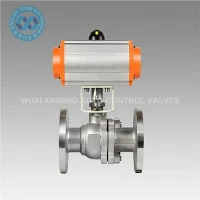
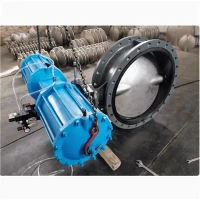
Pneumatic rack and pinion actuators are among the most widely used solutions for automating quarter-turn valves such as ball valves and butterfly valves. Their compact design, reliable operation, and fast cycling capabilities make them indispensable in many industrial processes. However, the real value lies in understanding where and how to apply them most effectively.
This article explores the top applications of pneumatic rack and pinion actuators, based on real engineering experience, and highlights considerations that improve reliability, efficiency, and safety.
1. Water and Wastewater Treatment
Why Rack and Pinion Actuators Are Ideal
In water treatment plants, valves frequently operate to control flows, dosing chemicals, or divert streams. Pneumatic rack and pinion actuators provide:
- Fast and precise opening/closing for flow regulation
- High cycle durability for repeated operation
- Compact design suitable for tight valve stations
Real-World Example
At a municipal wastewater treatment facility, 150mm butterfly valves were automated with double-acting pneumatic rack and pinion actuators. The system experienced continuous operation with more than 100 cycles per day. By selecting actuators with a 1.5× safety factor over the calculated valve torque, operators avoided valve failures caused by media deposits and pressure fluctuations.
2. Chemical and Process Industries
Challenges in Chemical Applications
Chemical plants often handle corrosive, viscous, or particulate-laden fluids. Valves must operate reliably despite aggressive media, fluctuating pressures, and high temperatures.
Why Rack and Pinion Works
High torque-to-size ratio allows compact automation of medium-sized valves
Aluminum or stainless-steel housing resists corrosion
Seal options maintain performance under varying chemical exposure
Case Insight
In a chemical dosing skid, ball valves controlling acidic solutions were fitted with spring-return pneumatic rack and pinion actuators for emergency fail-close operation. Torque calculations considered fluid viscosity, line pressure, and valve aging. The result: safe shutdowns without actuator overload.
3. Food and Beverage Industry
Requirements
Sanitary processes demand valves that can operate reliably in environments with:
- High hygiene standards
- Frequent CIP cleaning cycles
- Minimal downtime
Application of Rack and Pinion Actuators
- Compact design fits into sanitary valve assemblies
- Quick cycling accommodates frequent CIP operations
- Material and seal choices prevent contamination
Engineering Insight
Butterfly valves in a beverage bottling plant were automated with double-acting rack and pinion actuators. By selecting actuators with anodized aluminum bodies and FDA-compliant seals, the system achieved both high reliability and regulatory compliance.
4. HVAC and Building Automation
Pneumatic rack and pinion actuators also find applications beyond process industries.
- Modulating air dampers
- Hot and chilled water control valves
- Energy-saving flow control
Their fast response and simple pneumatic control logic allow efficient integration with building automation systems, reducing energy costs and improving occupant comfort.
5. Power Generation Plants
Application Scope
In power plants, automated valves regulate:
- Cooling water flow
- Steam lines
- Fuel or chemical injection
Why Rack and Pinion Is Preferred
- High cycle frequency with consistent torque output
- Compact footprint for retrofit on existing valves
- Reliable performance under moderate temperature and pressure ranges
Field Experience
During a thermal power plant upgrade, existing manual butterfly valves were automated using rack and pinion actuators. Engineers sized the actuators considering breakaway and seating torque under full line pressure. The plant reported smooth startup, reduced operator intervention, and consistent valve performance over years.
6. Oil and Gas Pipeline Systems
While scotch yoke actuators are preferred for very large valves, pneumatic rack and pinion actuators are suitable for medium-sized pipeline valves:
- Shut-off or control valves
- Compressor station piping
- Metering and sampling lines
Their fast operation, low maintenance, and predictable torque output make them ideal for critical process valves where frequent cycling occurs.
Key Selection Considerations Across Applications
To ensure long-term reliability, engineers should consider:
1. Valve Torque Requirements: Always size actuators based on maximum operating torque, not just valve size.
2. Cycle Frequency: High-frequency applications require durable rack and pinion actuators with reinforced seals and bearings.
3. Air Supply Pressure: Design for the minimum available pressure at the valve to avoid underpowered operation.
4. Fail-Safe Needs: Decide between double-acting or spring-return designs depending on safety requirements.
5. Environmental Protection: Choose housing and seals that resist corrosion, dust, or extreme temperatures.
6. Mounting Compatibility: ISO 5211 standards ensure proper alignment and reduce stem stress.
Why Engineering Expertise Matters
Many automation issues in industrial plants result from incorrect actuator selection rather than product failure. Experienced actuator suppliers provide:
- Torque calculation support
- Safety factor recommendations
- Field-tested solutions for specific media and environmental conditions
- Customized valve-actuator packages for retrofit or new installations
At WUXI XINMING AUTO-CONTROL VALVES INDUSTRY CO., LTD., our engineering team assists customers worldwide in selecting pneumatic rack and pinion actuators tailored for ball valves and butterfly valves. By analyzing operating torque, pressure, and safety requirements, we ensure reliable, cost-effective automation solutions across industries.
Conclusion
Pneumatic rack and pinion actuators are versatile, reliable, and cost-effective solutions for automating medium-sized valves in industrial automation. Their top applications include:
- Water and wastewater treatment
- Chemical and process plants
- Food and beverage systems
- HVAC and building automation
- Power generation
- Medium-sized oil and gas pipelines
Proper sizing, selection based on real operating conditions, and collaboration with experienced actuator specialists are the keys to achieving reliable, high-performance valve automation.