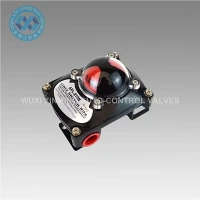
The pneumatic dust butterfly valve has the following significant features:
1. Structural design features
Simple and compact structure: The overall structure is not complicated, mainly composed of the valve body, butterfly plate, valve stem, and pneumatic actuator. This simple design makes it small and light. When installed, it takes up less space, and it can be more easily integrated into the supporting installation of new equipment or the transformation of existing systems, and it is easy to carry and operate.
Smooth flow channel: The design of the butterfly plate in the valve body makes the flow channel smoother when the medium flows. When the valve is opened, dust and other media can pass more smoothly, reducing flow resistance and energy consumption, while also reducing the accumulation of dust inside the valve, which is conducive to maintaining the normal operation of the valve.
2. Performance characteristics
Quick opening and closing: The pneumatic actuator is used, which has a fast response speed and can complete the opening and closing of the valve in a short time. This feature makes it very suitable for occasions where the dust flow needs to be quickly cut off. For example, in the event of an emergency or emergency shutdown, the dust can be quickly blocked to ensure production safety and environmental pollution.
Good adjustment performance: The opening of the butterfly plate can be adjusted more accurately by controlling the air intake of the pneumatic actuator, thereby achieving effective control of dust flow and pressure. In different production processes, the valve opening can be flexibly adjusted according to actual needs to meet diverse working conditions.
3. Sealing characteristics
Reliable sealing: Usually equipped with high-quality seals, such as rubber or polytetrafluoroethylene sealing materials, installed between the butterfly plate and the valve body. These seals can provide good sealing performance when the valve is closed, effectively prevent dust leakage, ensure the cleanliness and safety of the working environment, and avoid dust from causing harm to surrounding equipment and personnel.
4. Environmental adaptation characteristics
Good wear resistance: Considering that the working medium is dust, its key components, such as the valve body and butterfly plate, are generally made of wear-resistant materials or undergo special wear-resistant treatment. This can resist the erosion and wear of dust, extend the service life of the valve, reduce the frequency of maintenance and replacement, and reduce the cost of use.
Anti-dust accumulation: Reasonable structural design makes the valve less prone to dust accumulation. Even when working in an environment with high dust concentration, it can maintain a good operating state and reduce valve failures caused by dust accumulation.
If you are interested in the characteristics of Pneumatic Dust Butterfly Valve, we sincerely invite you to visit our website www.xmvalveactuator.com!