1. Electric actuator: Solenoid valve is a very simple electric actuator. It uses the attraction and release of electromagnets to control the opening and closing states of small diameter valves. Because of its simple structure and low price, two simple controllers are usually used to form a simple automatic adjustment system. In addition to solenoid valves, other continuous-acting electric actuators use an electric motor as the power element to convert a signal from a controller into valve opening. The output modes of electric actuators include linear stroke, rotary stroke and multi-rotation. Can be used with linear movement control valves, rotary butterfly valves and multi-rotary induction regulators. The signal from the controller drives the motor through the servo amplifier, drives the regulating valve through the reducer, and feeds back the valve stem stroke to the servo amplifier through the position sensor to form a position servo system, ensuring that the input signal is accurately converted into the valve stem stroke through negative position feedback. In terms of structure, the electric actuator can be integrated with the control valve, and is usually assembled separately to meet the needs of various aspects. In many process control parameters, electric actuators can be used directly with various electrical control instruments with different output signals.
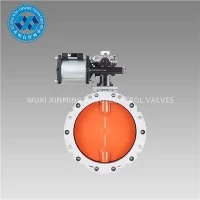
2. Pneumatic actuator: Pneumatic actuator refers to the actuator powered by compressed air, which has the characteristics of simple structure, large carrying capacity, fire and explosion protection, etc. There are two main types of pneumatic actuators: diaphragm actuators and piston actuators, of which diaphragm actuators are widely used. Pneumatic piston actuators output thrust from a piston in a cylinder. Due to the large allowable working pressure of the cylinder, a large thrust can be obtained, and it is easy to manufacture a long-stroke actuator. Therefore, it is especially suitable for applications with high static pressure, high differential pressure and large thrust and displacement (angular displacement or linear displacement). Since the pneumatic actuator needs compressed air as power, it needs a complete set of air source device more than the electric actuator, and its use, installation and maintenance are relatively complicated, so it is not suitable for use in buildings.