Are thin ball valves suitable for liquid applications? This is a question that often arises in the industrial and engineering sectors. As a supplier of thin ball valves, I am well - positioned to provide an in - depth analysis of this topic.
Understanding Thin Ball Valves
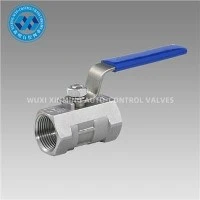
Thin ball valves are a type of valve that uses a spherical closure unit to control the flow of fluids. The ball has a hole, or port, through the center. When the ball's port is in line with the flow path, the valve is open, allowing fluid to pass. When the ball is rotated 90 degrees, the solid part of the ball blocks the flow path, closing the valve.
Thin ball valves are characterized by their compact design. They are thinner compared to traditional ball valves, which makes them a popular choice in applications where space is limited. Their lightweight nature also contributes to easier installation and lower shipping costs.
Characteristics of Liquids in Different Applications
Liquids in industrial applications can vary widely in their properties. Some common factors to consider include viscosity, temperature, chemical composition, and the presence of solids.
- Viscosity: Viscous liquids, such as oil or molasses, flow more slowly and require more force to move. A valve used with viscous liquids needs to be able to handle the increased resistance.
- Temperature: High - temperature liquids can cause thermal expansion, which may affect the valve's sealing performance. On the other hand, low - temperature liquids can make some materials brittle.
- Chemical Composition: Aggressive chemicals can corrode valve materials. For example, acids and alkalis can react with metals, reducing the valve's lifespan.
- Solids: Liquids containing solids, like slurries, can cause abrasion and blockage in valves.
Suitability of Thin Ball Valves for Liquid Applications
Advantages
- Quick Operation: Thin ball valves can be opened and closed quickly with a 90 - degree turn. This is beneficial in applications where rapid flow control is required, such as in emergency shut - off situations in liquid pipelines.
- Good Sealing Performance: When properly designed and manufactured, thin ball valves can provide excellent sealing. This is crucial for preventing leaks, especially when dealing with expensive or hazardous liquids.
- Low Pressure Drop: The full - port design of many thin ball valves allows for a relatively straight flow path, resulting in a low pressure drop across the valve. This is energy - efficient, especially in large - scale liquid transportation systems.
- Compact Design: As mentioned earlier, their thin profile makes them suitable for installations where space is at a premium. In crowded industrial settings or on mobile equipment, thin ball valves can be easily integrated.
Limitations
- Abrasion Resistance: Thin ball valves may not be the best choice for liquids with high - solid content. The solid particles can cause abrasion on the ball and seat, reducing the valve's sealing performance over time.
- High - Viscosity Liquids: For extremely viscous liquids, the force required to turn the ball may be significant. In some cases, additional actuation power may be needed, which can increase the cost and complexity of the system.
- High - Temperature and High - Pressure Applications: While some thin ball valves are designed to handle high - temperature and high - pressure conditions, in general, they may be more limited compared to larger, more robust valve designs. The thin structure may not withstand the extreme forces and temperatures as well.
Case Studies
Food and Beverage Industry
In the food and beverage industry, thin ball valves are commonly used for controlling the flow of liquids such as water, milk, and fruit juices. These liquids are relatively low in viscosity and non - abrasive. The quick - closing feature of thin ball valves helps in maintaining hygiene by minimizing the risk of contamination. For example, in a dairy processing plant, thin ball valves can be used to control the flow of milk during different stages of production, ensuring precise control and easy cleaning.

Chemical Industry
In the chemical industry, the choice of valve depends on the specific chemical being handled. For non - corrosive and low - viscosity chemicals, thin ball valves can be a suitable option. However, for highly corrosive chemicals, special materials such as stainless steel or plastic - lined valves are required. For instance, in a chemical plant producing solvents, thin ball valves made of corrosion - resistant materials can be used to control the flow of these solvents safely.
Our Product Range
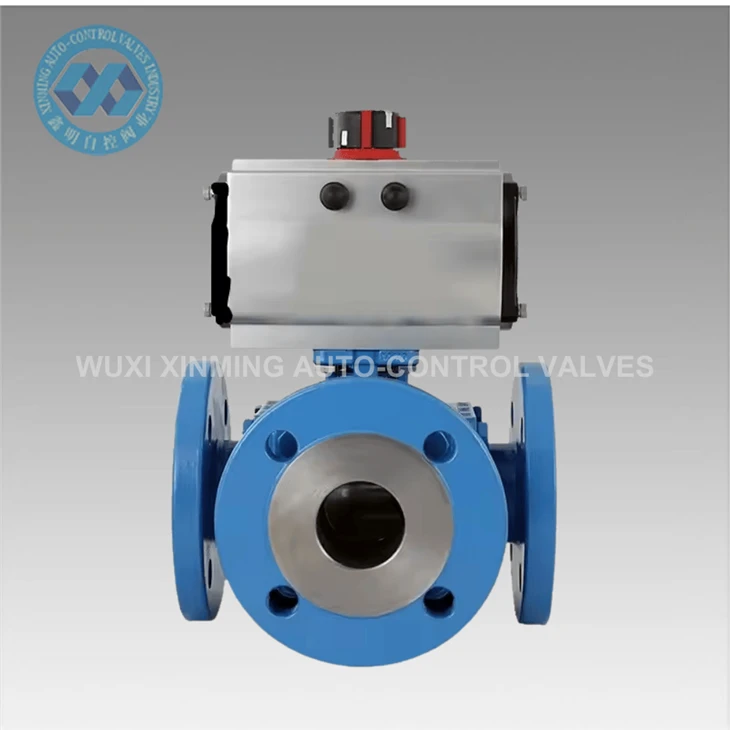
As a thin ball valve supplier, we offer a wide range of products to meet different liquid application needs. Our High Quality Three - way Pneumatic Ball Valve is suitable for applications where the flow needs to be diverted or mixed. It provides reliable performance and precise control.
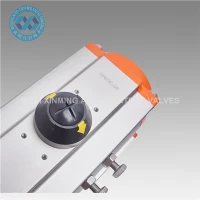
Our Chinese Pneumatic Actuator Wafer Thin Ball Valve Factory Price is a cost - effective solution for many liquid applications. The pneumatic actuator allows for automated operation, which is convenient in large - scale industrial processes.
We also have Electrical Ball Valve options. These are ideal for applications where electrical control is preferred, such as in automated liquid handling systems in laboratories or small - scale industrial setups.
Conclusion
In general, thin ball valves can be suitable for a wide range of liquid applications, especially those with low - viscosity, non - abrasive liquids and where space is a concern. However, for more challenging applications involving high - viscosity liquids, high - temperature and high - pressure conditions, or liquids with high - solid content, careful consideration of the valve's design and materials is necessary.
If you are looking for thin ball valves for your liquid applications, we are here to help. Our team of experts can provide you with detailed technical advice and recommend the most suitable products for your specific needs. Contact us today to start a procurement discussion and find the perfect thin ball valve solution for your project.
References
- Valve Handbook, 4th Edition, by J. S. T. Liptak
- Industrial Valves: Selection and Sizing, by J. Paul Tullis