Hey there! As a supplier of thin ball valves, I'm often asked whether these valves are suitable for low - temperature applications. Well, let's dig into this topic and find out.


First off, what are thin ball valves? They're a type of valve where a ball with a hole in it is used to control the flow of fluid. When the hole in the ball aligns with the pipe, the fluid can flow through. When the ball is rotated so that the hole is perpendicular to the pipe, the flow is stopped. They're pretty simple in design but super effective for a lot of applications.
Now, let's talk about low - temperature applications. These can range from cryogenic systems in scientific research to refrigeration units in commercial kitchens. The key challenge in low - temperature environments is that materials tend to become more brittle. Metals can lose their ductility, and plastics can crack more easily. So, the question is, can thin ball valves handle these conditions?
Material Considerations
One of the most important factors when it comes to using thin ball valves in low - temperature applications is the material they're made of. Different materials have different properties at low temperatures.
Stainless Steel
Stainless steel is a popular choice for thin ball valves. It's known for its corrosion resistance and strength. At low temperatures, some grades of stainless steel can maintain their toughness. For example, austenitic stainless steels like 304 and 316 are often used in low - temperature applications because they have good ductility even at very cold temperatures. They can withstand the stresses that come with the contraction of materials as they cool down. However, not all stainless steels are created equal. Ferritic stainless steels, for instance, can become brittle at low temperatures, so they're not the best choice for low - temp use.
Brass
Brass is another common material for thin ball valves. It's relatively inexpensive and easy to machine. But brass has its limitations in low - temperature applications. As the temperature drops, brass can become more brittle and prone to cracking. So, while it might work for some mildly cold applications, it's not ideal for extremely low - temperature settings.
Ceramic Ball Valve
Ceramics are an interesting option. Ceramic ball valves are highly resistant to wear and corrosion. They also have excellent thermal stability. At low temperatures, ceramics can maintain their shape and integrity. However, they're quite brittle compared to metals. A sudden shock or pressure change could cause a ceramic ball valve to crack. So, if you're considering a ceramic ball valve for a low - temperature application, you need to make sure the system is well - designed to avoid any sudden impacts.
Design Features
The design of a thin ball valve also plays a crucial role in its suitability for low - temperature applications.
Sealing Mechanisms
The seals in a thin ball valve are critical. At low temperatures, rubber and elastomeric seals can harden and lose their flexibility. This can lead to leaks. Some manufacturers use special low - temperature - resistant seals. These seals are made from materials that can maintain their elasticity even in cold conditions. For example, Viton seals can work well in moderately low - temperature applications, while PTFE (Teflon) seals are often used in more extreme cold because they have a wide temperature range of operation.
Valve Stem Design
The valve stem is what allows you to open and close the valve. In low - temperature applications, the stem needs to be designed to prevent heat transfer. If too much heat is transferred through the stem, it can cause the fluid inside the valve to warm up, which might not be desirable in a low - temp system. Some thin ball valves have insulated stems or special coatings to reduce heat transfer.
Performance in Low - Temperature Applications
Let's look at some real - world performance aspects of thin ball valves in low - temperature settings.
Flow Control
Thin ball valves are generally good at flow control, even in low - temperature applications. The ball design allows for a quick and precise shut - off or adjustment of the flow. However, the viscosity of the fluid can change at low temperatures. Some fluids become more viscous, which can affect the valve's ability to open and close smoothly. In such cases, you might need to choose a valve with a larger port size or a more powerful actuator to overcome the increased resistance.
Pressure Rating
The pressure rating of a thin ball valve can be affected by low temperatures. As materials contract at low temperatures, the internal stresses in the valve can change. This can potentially reduce the valve's pressure - handling capacity. It's important to check the manufacturer's specifications to make sure the valve can handle the pressure requirements of your low - temperature system.
Pneumatic Actuator Tri - clamp Three Way Ball Valve and Low - Temperature Applications
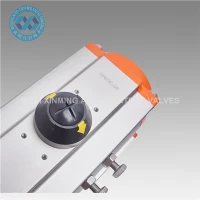
Pneumatic actuator tri - clamp three - way ball valves are a type of thin ball valve that can be used in low - temperature applications. The pneumatic actuator allows for remote operation, which can be very useful in systems where manual operation is difficult or dangerous. However, the actuator itself needs to be suitable for low - temperature use. Some pneumatic actuators use lubricants that can thicken at low temperatures, which can affect their performance. You need to make sure the actuator is designed with low - temperature - resistant components and lubricants.
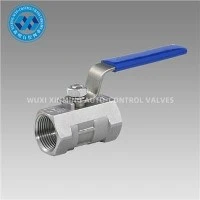
Thread Ball Valve and Low - Temperature Applications
Thread ball valves are another common type of thin ball valve. They're easy to install and can be used in a variety of systems. In low - temperature applications, the threaded connections need to be carefully considered. As materials contract at low temperatures, the threads can loosen or become more difficult to seal. It's important to use proper thread sealants and torque values to ensure a leak - free connection.
Advantages and Disadvantages
Advantages
- Compact Design: Thin ball valves are relatively small and lightweight, which can be an advantage in low - temperature installations where space might be limited.
- Quick Operation: They can be opened and closed quickly, which is useful in systems where rapid flow control is required.
- Versatility: With the right material and design, thin ball valves can be used in a wide range of low - temperature applications.
Disadvantages
- Material Limitations: As mentioned earlier, some materials can become brittle at low temperatures, which can lead to cracking and failure.
- Sealing Challenges: Maintaining a good seal at low temperatures can be difficult, especially with traditional rubber seals.
- Cost: Some of the materials and design features required for low - temperature applications can increase the cost of the valve.
Conclusion
So, are thin ball valves suitable for low - temperature applications? The answer is, it depends. With the right material selection, design features, and proper installation, thin ball valves can work well in low - temperature environments. But you need to carefully consider the specific requirements of your application, such as the temperature range, fluid properties, and pressure ratings.
If you're in the market for thin ball valves for low - temperature applications, I'd love to help. As a supplier, I have a wide range of options available, and I can work with you to find the best valve for your needs. Whether you need a Ceramic Ball Valve, a Pneumatic Actuator Tri - clamp Three Way Ball Valve, or a Thread Ball Valve, I can provide you with high - quality products and expert advice. Contact me to start the procurement process and let's get your low - temperature system up and running smoothly.
References
- "Valve Handbook" by J. S. Janstroem
- "Materials Science and Engineering" by William D. Callister Jr. and David G. Rethwisch