Can a flange ball valve be automated? That's a question I've been asked a ton of times as a flange ball valve supplier. And the answer is a resounding yes! In this blog, I'll break down how and why you can automate flange ball valves, and share some real - world benefits and examples.
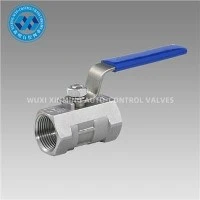
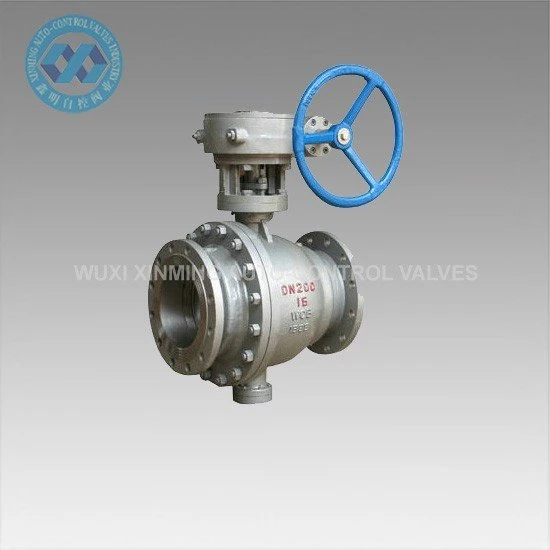
First off, let's talk about what a flange ball valve is. It's a type of valve that uses a ball with a hole in it to control the flow of fluid. The ball rotates inside the valve body, and when the hole in the ball aligns with the pipe, fluid can flow through. When the ball is turned so the hole is perpendicular to the pipe, the flow is stopped. Flange ball valves are super popular because they're durable, reliable, and can handle a wide range of pressures and temperatures.
Now, onto automation. Automating a flange ball valve means using external devices to control the opening and closing of the valve without manual intervention. There are a few common ways to do this.
One of the most popular methods is using an electric actuator. An electric actuator is basically a motor that can turn the valve's stem to open or close the ball. It's pretty straightforward to install and can be controlled remotely. You can program it to open or close at specific times, or based on certain conditions like pressure or flow rate. For example, in a water treatment plant, an electric - actuated flange ball valve can be set to open when the water level in a tank reaches a certain point, and close when it drops below another level.
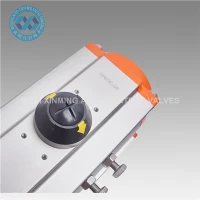
Another option is a pneumatic actuator. Pneumatic actuators use compressed air to move the valve. They're known for their fast operation and high torque, which makes them great for large - sized flange ball valves. Pneumatic actuators are also relatively simple and reliable. For instance, in an industrial pipeline system, a pneumatic - actuated flange ball valve can quickly shut off the flow in case of an emergency, like a sudden pressure spike.
Hydraulic actuators are also used for automating flange ball valves. They work by using hydraulic fluid to generate the force needed to turn the valve. Hydraulic actuators are powerful and can handle extremely high - pressure applications. In the oil and gas industry, hydraulic - actuated flange ball valves are often used in offshore platforms to control the flow of oil and gas, where high - pressure and reliable operation are crucial.
So, why would you want to automate a flange ball valve? Well, there are several reasons.
Firstly, it improves efficiency. Automated valves can open and close much faster than manual ones. This means that in a process where time is of the essence, like in a chemical manufacturing plant, automated flange ball valves can help speed up the production process. You don't have to wait for an operator to physically go to the valve and turn it.
Secondly, it enhances safety. In dangerous environments, like a refinery or a chemical plant, having automated valves can reduce the risk of human exposure to hazardous substances. For example, if there's a leak in a pipeline, an automated flange ball valve can quickly shut off the flow, preventing further damage and protecting workers.

Thirdly, it allows for better control and monitoring. With automated valves, you can integrate them into a larger control system. You can monitor the valve's position, the flow rate, and other parameters in real - time. This data can be used to optimize the process and detect any potential problems early on.
Let me give you some real - world examples of automated flange ball valves in action.
In the power generation industry, automated flange ball valves are used to control the flow of steam and water in boilers and turbines. These valves need to open and close precisely to maintain the right pressure and temperature, and automation ensures that they do so accurately.
In the food and beverage industry, automated flange ball valves are used in the production lines to control the flow of ingredients. They need to be hygienic and easy to clean, and automation helps in maintaining a consistent and clean process.
Now, let's talk about some of our products. We offer a variety of automated flange ball valves, including the Metal - to - metal Ball Valve. This valve is designed with a metal - to - metal sealing surface, which provides excellent sealing performance even in high - pressure and high - temperature applications. It can be easily automated with an electric, pneumatic, or hydraulic actuator.
Our High Quality Stainless Steel Pneumatic Three - way Ball Valve is another great option. The stainless - steel construction makes it corrosion - resistant, and the pneumatic actuator allows for fast and reliable operation. It's perfect for applications where you need to control the flow in multiple directions.
If you're working in an environment where explosion - proof equipment is required, our Explosion - Proof Pneumatic Ball Valve is the way to go. It's designed to meet strict safety standards and can be used in hazardous areas without any risk of ignition.
If you're interested in automating your flange ball valves or need more information about our products, don't hesitate to reach out. We're here to help you find the best solution for your specific needs. Whether you're in a small - scale operation or a large industrial plant, we have the expertise and products to make your valve automation a success.
References
- Valve Handbook, 4th Edition, by J. S. Clark
- Industrial Valves: Selection and Sizing, by Chris M. B. Jones