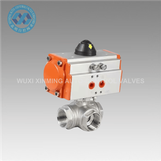
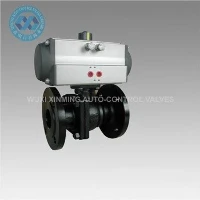
Can a flange ball valve be used in a water treatment system? This is a question that many professionals in the water treatment industry often ponder. As a flange ball valve supplier, I am well - versed in the capabilities and applications of these valves, and I'm excited to share my insights on this topic.
Understanding Flange Ball Valves
Flange ball valves are a type of quarter - turn valve that uses a hollow, perforated, and pivoting ball to control the flow of fluid through it. The ball has a hole in the middle, and when the valve is open, the hole aligns with the pipe, allowing fluid to pass through. When the valve is closed, the ball is rotated a quarter - turn so that the hole is perpendicular to the pipe, blocking the flow.
The flanges on these valves are used for easy installation and connection to other parts of the piping system. They provide a secure and leak - tight connection, which is crucial in many industrial applications, including water treatment.

Advantages of Using Flange Ball Valves in Water Treatment Systems
1. Excellent Sealing Performance
One of the primary reasons flange ball valves are suitable for water treatment systems is their excellent sealing performance. In water treatment, preventing leaks is of utmost importance, as it can lead to water wastage, contamination, and potential damage to the surrounding environment. Flange ball valves have a tight seal between the ball and the valve seat, which effectively prevents leakage even under high pressure.
2. Durability
Water treatment systems often operate continuously, and the valves need to withstand the test of time. Flange ball valves are typically made of high - quality materials such as stainless steel, brass, or cast iron. These materials are resistant to corrosion, erosion, and wear, ensuring a long service life. For example, stainless steel flange ball valves are highly resistant to the corrosive effects of chemicals commonly used in water treatment, such as chlorine and sulfuric acid.
3. Quick Operation
Flange ball valves are quarter - turn valves, which means they can be opened or closed quickly. In water treatment systems, quick operation can be crucial in emergency situations, such as when there is a need to shut off the flow of water immediately to prevent a spill or contamination. This rapid response time can help minimize damage and ensure the safety of the system.
4. Versatility
Flange ball valves can be used in a wide range of water treatment applications, including filtration, disinfection, and desalination. They can handle different types of water, from clean potable water to wastewater containing various contaminants. Additionally, they can be used in both low - pressure and high - pressure applications, making them a versatile choice for water treatment systems of all sizes.
Applications of Flange Ball Valves in Water Treatment
1. Filtration Systems
In water filtration systems, flange ball valves are used to control the flow of water through different filtration media, such as sand filters, activated carbon filters, and membrane filters. They can be used to direct the water flow, isolate different sections of the filtration system for maintenance, and control the backwashing process.
2. Chemical Dosing Systems
Water treatment often involves the addition of chemicals to disinfect, clarify, or adjust the pH of the water. Flange ball valves are used in chemical dosing systems to control the flow of chemicals into the water. They can accurately regulate the amount of chemical added, ensuring the proper treatment of the water.
3. Reverse Osmosis Systems
Reverse osmosis is a common process in water treatment for desalination and purification. Flange ball valves are used in reverse osmosis systems to control the flow of water into and out of the membranes, as well as to regulate the pressure within the system. Their ability to handle high - pressure and high - flow rates makes them an ideal choice for this application.
Considerations When Using Flange Ball Valves in Water Treatment Systems
1. Material Selection
As mentioned earlier, the choice of material for flange ball valves is crucial in water treatment systems. It is important to select a material that is compatible with the type of water and chemicals used in the system. For example, if the water contains high levels of chlorine, a stainless steel valve may be a better choice than a brass valve, as brass is more susceptible to corrosion by chlorine.
2. Size and Pressure Rating
The size and pressure rating of the flange ball valve should be carefully selected based on the requirements of the water treatment system. Using a valve that is too small may result in restricted flow, while using a valve with a lower pressure rating than required can lead to valve failure. It is essential to consult with a professional engineer or valve supplier to determine the appropriate size and pressure rating for your specific application.
3. Maintenance
Although flange ball valves are durable, they still require regular maintenance to ensure optimal performance. This includes inspecting the valve for leaks, cleaning the valve components, and lubricating the moving parts. Regular maintenance can extend the service life of the valve and prevent costly breakdowns.
Related Products for Water Treatment Systems
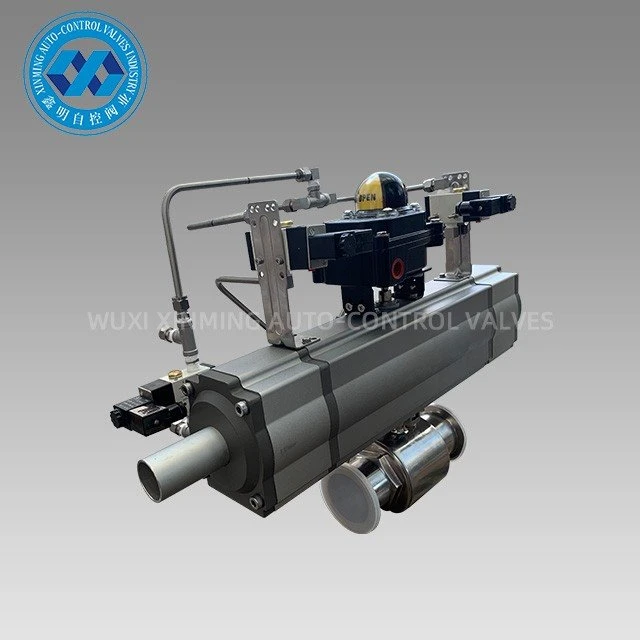
If you are looking for other types of valves for your water treatment system, we also offer a range of related products. For example, the Pneumatic Actuator Tri - clamp Three Way Ball Valve is a great option for applications that require precise control of the flow direction. It is equipped with a pneumatic actuator, which allows for remote operation and automation.
The 3 Way Ball Valve With Pneumatic Actuator is another suitable choice for water treatment systems. It is designed for sanitary applications and can be easily cleaned and sterilized, making it ideal for use in potable water treatment.
The L - t Stainless Steel Pneumatic Three - way Ball Valve is also a popular option. Made of stainless steel, it offers excellent corrosion resistance and is suitable for use in harsh water treatment environments.
Conclusion
In conclusion, flange ball valves are well - suited for use in water treatment systems due to their excellent sealing performance, durability, quick operation, and versatility. However, it is important to carefully consider factors such as material selection, size, pressure rating, and maintenance to ensure optimal performance. As a flange ball valve supplier, we are committed to providing high - quality valves and professional advice to meet the needs of your water treatment system.
If you are interested in our flange ball valves or other related products for your water treatment system, please feel free to contact us for further information and to discuss your specific requirements. We look forward to the opportunity to work with you and contribute to the success of your water treatment project.
References
- "Valve Handbook" by J. S. T. Lovick
- "Water Treatment Plant Design" by Asano et al.
- Industry reports on water treatment valve applications.