Hey there! As a supplier of welded ball valves, I often get asked about the pressure drop across these valves. So, I thought I'd take a moment to break it down for you in plain English.
First off, what exactly is pressure drop? Well, it's the difference in pressure between the inlet and the outlet of a valve. When fluid (like gas or liquid) flows through a valve, it encounters resistance. This resistance causes a decrease in pressure as the fluid moves from one side of the valve to the other. It's kind of like when you're trying to push water through a narrow pipe – the narrower the pipe, the more resistance there is, and the more the pressure drops.


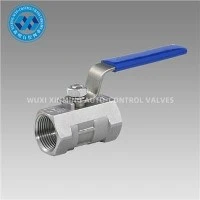
Now, let's talk about welded ball valves specifically. These valves are pretty popular in a lot of industries because they're durable, reliable, and can handle high pressures and temperatures. They work by using a ball with a hole in the middle. When the valve is open, the hole in the ball lines up with the flow path, allowing fluid to pass through easily. When the valve is closed, the ball rotates so that the hole is perpendicular to the flow path, blocking the fluid.
The pressure drop across a welded ball valve depends on a few different factors. One of the biggest factors is the size of the valve. Generally speaking, smaller valves will have a higher pressure drop than larger valves. This is because the flow area is smaller, which means there's more resistance to the fluid flow. For example, if you have a 1-inch welded ball valve and a 2-inch welded ball valve, the 1-inch valve will likely have a higher pressure drop when the same amount of fluid is flowing through it.
Another factor that affects pressure drop is the design of the valve. Some welded ball valves are designed to have a lower pressure drop than others. For instance, full-port ball valves have a larger ball and a larger flow area, which allows fluid to flow through more easily and results in a lower pressure drop. On the other hand, standard-port ball valves have a smaller flow area and may have a higher pressure drop.
The type of fluid flowing through the valve also plays a role. Viscous fluids, like oil, will have a higher pressure drop than less viscous fluids, like water. This is because viscous fluids have more internal resistance and are more difficult to move through the valve.
The flow rate of the fluid is another important factor. As the flow rate increases, the pressure drop across the valve also increases. This is because there's more fluid moving through the valve at a faster speed, which creates more resistance.
So, why does pressure drop matter? Well, a high pressure drop can have a few negative effects. For one, it can increase the energy consumption of the system. When there's a large pressure drop, the pump or compressor has to work harder to maintain the flow of fluid, which uses more energy and can lead to higher operating costs. Additionally, a high pressure drop can cause problems with the performance of the system. It can reduce the flow rate of the fluid, which may affect the efficiency of the process.
As a supplier of welded ball valves, we understand the importance of minimizing pressure drop. That's why we offer a wide range of valves with different designs and sizes to meet the specific needs of our customers. Whether you're looking for a Pneumatic Stainless Steel 3 Way Ball Valve for a complex piping system or an Electrical Ball Valve for an automated process, we've got you covered. We also have Pneumatic threaded ball valve options that are suitable for high-temperature applications.
If you're in the market for a welded ball valve and want to learn more about how to minimize pressure drop in your system, don't hesitate to reach out to us. Our team of experts is here to help you choose the right valve for your needs and answer any questions you may have. We can provide you with detailed information about the pressure drop characteristics of our valves and help you make an informed decision.
In conclusion, the pressure drop across a welded ball valve is an important factor to consider when selecting a valve for your system. By understanding the factors that affect pressure drop and choosing the right valve design and size, you can minimize energy consumption and improve the performance of your system. So, if you're ready to take the next step and find the perfect welded ball valve for your application, give us a call or send us an email. We're looking forward to working with you!
References
- Crane Technical Paper No. 410, Flow of Fluids Through Valves, Fittings, and Pipe
- Fisher Controls International, Inc., Control Valve Handbook