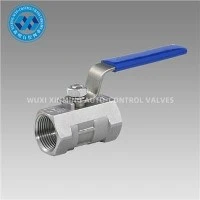
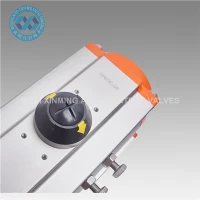
Hey there! As a supplier of manual handwheels, I often get asked if a manual handwheel can be used in a packaging machine. Well, the short answer is yes, but there's a lot more to it than that. Let's dive in and explore this topic in detail.
Why Consider Using a Manual Handwheel in a Packaging Machine?
First off, let's talk about why you might want to use a manual handwheel in the first place. Packaging machines come in all shapes and sizes, from small table - top models to large industrial behemoths. In some cases, having a manual handwheel can offer a level of control and flexibility that automated systems can't quite match.
For example, during the setup and calibration phase of a packaging machine, you need to make precise adjustments. A manual handwheel allows you to make these adjustments slowly and accurately. You can turn the wheel a little bit at a time, and see exactly how it affects the machine's operation. This is especially useful when you're dealing with delicate products or when you need to set up the machine for a new type of packaging.
Another advantage is in case of emergencies or maintenance. If there's a power outage or a problem with the automated control system, a manual handwheel can be used to move the machine's components to a safe position or to perform basic operations. It acts as a backup mechanism, ensuring that you can still handle the situation without having to wait for the automated system to be fixed.
Compatibility with Different Types of Packaging Machines
Not all packaging machines are the same, and the suitability of a manual handwheel depends on the type of machine you're using.
Form - Fill - Seal Machines
These machines are used to form packages, fill them with products, and then seal them. In form - fill - seal machines, a manual handwheel can be used to adjust the position of the forming tubes, the filling nozzles, or the sealing jaws. For instance, if you're changing the size of the package, you can use the handwheel to reposition the forming tube to the correct diameter. This kind of adjustment is much easier to do manually than through an automated system, which might require complex programming.
Labeling Machines
Labeling machines apply labels to products or packages. A manual handwheel can be used to adjust the label dispenser's position, the tension of the label roll, or the alignment of the label on the product. When you're working with different product shapes and sizes, being able to make these adjustments quickly and easily can save a lot of time and reduce waste.
Cartoning Machines
Cartoning machines are used to pack products into cartons. Manual handwheels can be used to adjust the carton feeder, the product inserter, or the carton sealing mechanism. For example, if you're using a different style of carton, you can use the handwheel to adjust the carton feeder to pick up and open the cartons correctly.
Features to Look for in a Manual Handwheel for Packaging Machines
When choosing a manual handwheel for a packaging machine, there are several features you should consider.
Rotary Limit Mechanism
A Rotary Limit Mechanism Dustproof And Waterproof IP Protection is essential. In a packaging environment, there's often dust, debris, and sometimes even moisture. A handwheel with a good rotary limit mechanism that is dustproof and waterproof can ensure reliable operation over a long period. It will prevent dirt and water from getting inside the mechanism, which could otherwise cause it to jam or malfunction.
Explosion - Proof Options
In some packaging applications, especially those involving flammable materials, an Explosion - Proof ATEX Handwheel – Brass Body For Hazardous Areas is necessary. These handwheels are designed to meet strict safety standards and can be used in areas where there's a risk of explosion. The brass body not only provides durability but also helps in preventing sparks that could ignite the flammable substances.
Emergency Manual Operation
An Emergency Manual Operation Mechanism With Pneumatic Valve Actuator is a great feature. As I mentioned earlier, in case of power outages or system failures, this mechanism allows you to take control of the machine manually. It gives you the ability to move the pneumatic valves or other components to a safe position, preventing any damage to the machine or the products.
Installation and Integration
Installing a manual handwheel into a packaging machine requires some technical know - how. You need to make sure that the handwheel is properly aligned with the machine's components and that it can be easily accessed by the operator.
First, you need to identify the right location for the handwheel. It should be placed in a position where the operator can reach it comfortably without having to stretch or put themselves in an awkward position. Once you've chosen the location, you'll need to mount the handwheel securely. This might involve drilling holes in the machine's frame and using bolts or screws to attach the handwheel.

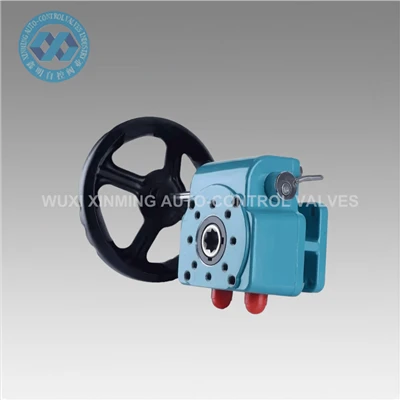
After mounting, you'll need to connect the handwheel to the relevant components of the machine. This could be a shaft, a gear, or a lever. The connection should be strong and reliable, so that when you turn the handwheel, it accurately transfers the motion to the machine's parts.
Maintenance and Long - Term Use
To ensure the long - term performance of the manual handwheel in a packaging machine, regular maintenance is required.
Cleaning is one of the most important aspects of maintenance. You should clean the handwheel regularly to remove any dust, dirt, or debris that might have accumulated on it. Use a soft cloth and a mild cleaning solution to wipe the handwheel down.
Lubrication is also crucial. Depending on the type of handwheel, you might need to lubricate the moving parts periodically. This will reduce friction and wear, ensuring that the handwheel turns smoothly.
Inspect the handwheel regularly for any signs of damage or wear. Check the rotary limit mechanism, the connection to the machine's components, and the overall structure of the handwheel. If you notice any problems, such as loose parts or worn - out gears, replace them immediately to prevent further damage.
Conclusion
So, can a manual handwheel be used in a packaging machine? Absolutely! It offers a range of benefits, from precise control during setup and calibration to a reliable backup in case of emergencies. With the right features, proper installation, and regular maintenance, a manual handwheel can be a valuable addition to any packaging machine.
If you're interested in learning more about our manual handwheels or if you're looking to purchase one for your packaging machine, feel free to reach out. We're here to help you find the perfect solution for your needs. Whether you have questions about compatibility, installation, or maintenance, our team of experts is ready to assist you. Let's start a conversation and see how we can improve your packaging process with our high - quality manual handwheels.
References
- Packaging Machinery Manufacturers Institute (PMMI). "Packaging Machinery Technology Handbook."
- ISO standards related to packaging machinery safety and operation.