Can a thin ball valve be used for high - pressure applications?
Hey there! As a supplier of thin ball valves, I often get asked this question: Can a thin ball valve be used for high - pressure applications? Well, let's dive right in and break it down.
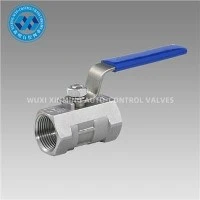
First off, let's understand what a thin ball valve is. A thin ball valve is a type of valve that has a relatively thin body compared to some other valve designs. It's got a ball inside that rotates to control the flow of fluids. These valves are known for their compact size, which makes them a popular choice in many situations where space is limited. They're also generally pretty cost - effective, so that's a plus.
Now, when it comes to high - pressure applications, things get a bit more complicated. High - pressure systems typically operate at pressures that can exceed hundreds or even thousands of pounds per square inch (psi). The key factors we need to consider here are the structural integrity of the valve and its sealing capability.
The structural integrity of a thin ball valve depends on its construction materials and design. Most thin ball valves are made from materials like stainless steel, brass, or PVC. Stainless steel is often a great choice for high - pressure applications because it's strong and resistant to corrosion. If you're dealing with corrosive fluids under high pressure, a stainless - steel thin ball valve is likely your best bet.
On the design side, the thinness of the valve body can be a double - edged sword. On one hand, a well - designed thin ball valve can be engineered to withstand high pressures. Manufacturers use various techniques such as ribbing and reinforced structures to enhance the valve's strength. For example, some thin ball valves have internal ribbing that strengthens the body without adding too much bulk.
However, in some cases, the thinness can be a liability. If the valve isn't properly designed or made from low - quality materials, it may not hold up under high pressure. The valve body could crack or deform, leading to leaks or even complete failure. This is why it's crucial to choose a thin ball valve from a reliable supplier who has a good track record in producing high - quality valves.
Another important aspect is the sealing. High - pressure applications require a tight seal to prevent fluid leakage. In a thin ball valve, the seal is typically formed between the ball and the valve seats. The quality of the seats and the ball's finish play a huge role in achieving a proper seal. Some thin ball valves use soft seats, like those made from PTFE (polytetrafluoroethylene), which can provide a good seal even under high pressure. However, these soft seats may wear out faster over time, especially if the fluid contains abrasive particles.
So, can a thin ball valve be used for high - pressure applications? The answer is yes, it can, but with some caveats. If you need a thin ball valve for a high - pressure system, here are some tips to ensure you make the right choice:
- Check the pressure rating: Every valve has a maximum pressure rating specified by the manufacturer. Make sure the valve you choose has a rating that exceeds the maximum pressure in your system. This provides a safety margin and reduces the risk of failure.
- Consider the material: As I mentioned earlier, stainless steel is often a great choice for high - pressure applications. But other materials might also work depending on the specific requirements of your system. For example, if you're working with non - corrosive fluids at relatively lower high pressures, brass could be a more cost - effective option.
- Look for a reliable supplier: A good supplier will not only provide high - quality valves but also offer technical support. They can help you select the right valve for your application and answer any questions you may have.
At our company, we offer a wide range of thin ball valves that are suitable for various applications, including high - pressure ones. We've got different types of valves, such as the Segment Control Valve With Pneumatic Actuator, Thread Ball Valve, and 2PC Thread Ball Valve. All our valves are manufactured to strict quality standards and are tested to ensure their performance.
If you're in the market for a thin ball valve for a high - pressure application, don't hesitate to reach out. We're here to help you find the perfect solution for your needs. Whether you're a small business or a large industrial operation, we can work with you to provide the right valve at a competitive price.
In conclusion, while thin ball valves can be used for high - pressure applications, it's important to do your due diligence. Make sure you understand the requirements of your system and choose a valve that can handle the pressure. And remember, a reliable supplier is your best ally in making the right choice.


So, if you're interested in learning more about our thin ball valves or have any questions about using them in high - pressure applications, just get in touch. We're ready to have a chat and help you make an informed decision.