Hey there! As a supplier of thread ball valves, I often get asked whether these valves can be used in a water treatment plant. Well, the short answer is yes, but let's dig deeper into the details to understand why and how.
Understanding Thread Ball Valves
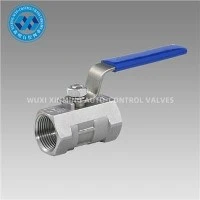
First off, what exactly are thread ball valves? They're a type of quarter - turn valve that uses a ball with a hole in it to control the flow of fluid. When the valve is open, the hole in the ball aligns with the pipe, allowing the fluid to pass through. When it's closed, the ball rotates 90 degrees, blocking the flow. The "thread" part means that the valve is designed to be screwed into the piping system, which makes installation and removal a breeze.
We offer a range of thread ball valves, including the High Performance PVC Ball Valve. PVC is a great material for water - related applications because it's corrosion - resistant, lightweight, and cost - effective. It can handle different water qualities, whether it's fresh water, treated water, or even slightly corrosive effluents.
Water Treatment Plant Requirements
Water treatment plants have some pretty strict requirements. They need to handle large volumes of water, control the flow accurately, and ensure the quality of the water throughout the treatment process. Valves play a crucial role in all these aspects.


Flow Control
In a water treatment plant, there are various stages where the flow of water needs to be regulated. For example, during the intake of raw water from a source like a river or a reservoir, you need to control how much water enters the plant. Thread ball valves are great for this because they can provide quick on - off control. You can turn the valve handle a quarter - turn, and the flow stops or starts immediately. Our 2PC Thread Ball Valve is a two - piece design that offers good durability and flexibility in flow control. It can be used in different parts of the plant, from the initial intake to the distribution lines.
Water Quality Maintenance
Another important aspect is maintaining water quality. Thread ball valves can help with this by preventing backflow and contamination. For instance, in the disinfection stage, where chemicals are added to the water, you need to make sure that the chemicals don't flow back into other parts of the system. A well - designed thread ball valve can act as a reliable barrier. The ball inside the valve creates a tight seal when closed, preventing any unwanted flow in the wrong direction.
Compatibility with Different Water Types
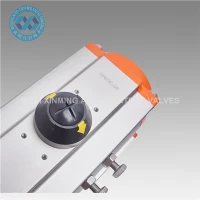
Water treatment plants deal with different types of water, from raw water full of sediment and impurities to highly treated water ready for distribution. Thread ball valves can be made from materials that are compatible with these different water types. Our L - t Stainless Steel Pneumatic Three - way Ball Valve is made of stainless steel, which is resistant to corrosion. This makes it suitable for use in areas where the water may be more aggressive, such as in the treatment of industrial wastewater or brackish water.
Advantages of Using Thread Ball Valves in Water Treatment Plants
Ease of Installation
One of the biggest advantages of thread ball valves is how easy they are to install. Unlike some other types of valves that may require welding or complex flanging systems, thread ball valves can be simply screwed into place. This means less installation time and lower labor costs. In a water treatment plant, where time is often of the essence, this can be a huge benefit.
Low Maintenance
Thread ball valves also have relatively low maintenance requirements. The simple design with a ball and a seat means there are fewer moving parts that can wear out. As long as the valve is properly installed and operated within its specified limits, it can last for a long time without much trouble. This reduces the overall maintenance costs for the water treatment plant.
Cost - Effectiveness
When it comes to cost, thread ball valves are a great option. They are generally more affordable than some of the high - end, specialized valves. And considering their long - term durability and low maintenance, they offer a good return on investment for water treatment plants.
Potential Challenges and How to Overcome Them
Of course, using thread ball valves in a water treatment plant isn't without its challenges.
Pressure and Temperature Limits
Thread ball valves have certain pressure and temperature limits. In a water treatment plant, the water may be under high pressure, especially in pumping stations or in the distribution lines. It's important to choose a valve that can handle the specific pressure and temperature conditions of the application. We always provide detailed technical specifications for our valves, so you can select the right one for your needs.
Contamination Risks
Although thread ball valves can prevent backflow, there is still a risk of contamination if the valve is not properly maintained or if it's made from low - quality materials. To overcome this, we use high - grade materials and strict manufacturing processes to ensure the valves are clean and free from contaminants. Regular inspection and maintenance of the valves can also help minimize this risk.
Conclusion
So, can a thread ball valve be used in a water treatment plant? Absolutely! With their ease of installation, low maintenance, cost - effectiveness, and ability to meet the flow control and water quality requirements, thread ball valves are a great choice for many applications in a water treatment plant.
If you're in the water treatment industry and are looking for reliable thread ball valves, we're here to help. We've got a wide range of products to suit different needs, and our team of experts can provide you with the right advice and support. Whether you need a valve for a small - scale water treatment system or a large - scale industrial plant, we've got you covered. Get in touch with us to start a procurement discussion, and let's find the perfect thread ball valves for your water treatment plant.
References
- Valves Handbook, Second Edition.
- Water Treatment Plant Design Manual.