Hey there! As a supplier of AT Pneumatic Actuators, I often get asked if these nifty devices can be used in aerospace applications. Well, let's dive right into it and find out.
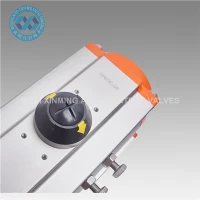
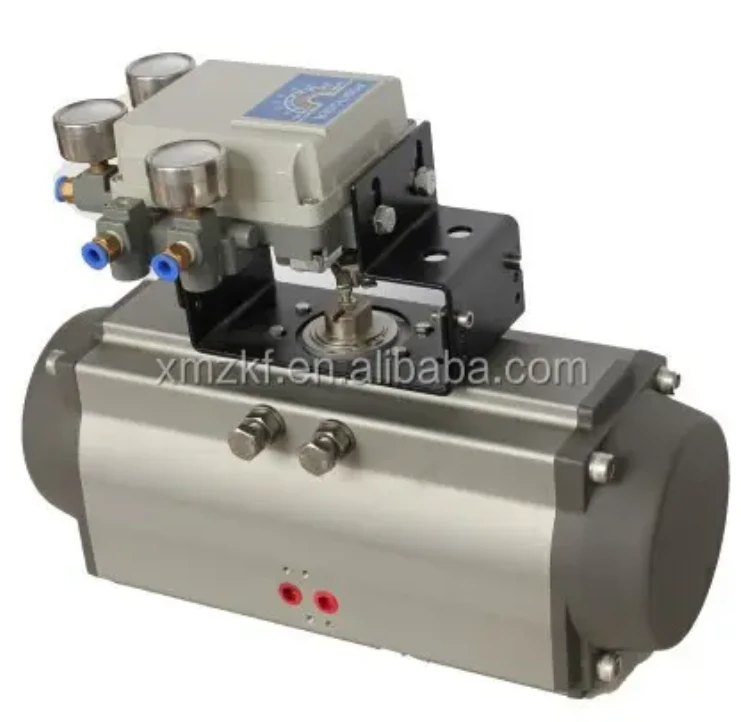
First off, let's understand what an AT Pneumatic Actuator is. Simply put, it's a device that uses compressed air to create motion. It can convert the energy from compressed air into mechanical force, which can then be used to move parts or perform specific tasks. There are different types, like the Double Acting Pneumatic Actuator, which can generate force in both directions, and the 180 Degree Pneumatic Rotary Actuator, which is designed to rotate up to 180 degrees.
Now, when it comes to aerospace applications, things get a bit more complex. The aerospace industry has some of the most stringent requirements in terms of performance, reliability, and safety. Components used in aircraft, satellites, and other aerospace vehicles need to be able to withstand extreme conditions, such as high altitudes, low temperatures, and rapid changes in pressure.
One of the main advantages of using an AT Pneumatic Actuator in aerospace is its simplicity. Compared to some other types of actuators, like electric or hydraulic ones, pneumatic actuators have fewer moving parts. This means there's less that can go wrong, which is a huge plus in an industry where reliability is key. They're also relatively lightweight, which is crucial in aerospace because every extra pound adds to the fuel consumption and reduces the overall efficiency of the vehicle.
Another benefit is the quick response time. Pneumatic actuators can generate a lot of force in a short amount of time, which is useful for applications that require rapid movement. For example, in aircraft control surfaces, such as ailerons and rudders, a fast-acting actuator is needed to respond to the pilot's commands and keep the plane stable.
However, there are also some challenges when using AT Pneumatic Actuators in aerospace. One of the biggest issues is the availability of compressed air. In an aircraft, the air at high altitudes is thin and has low pressure, which means it needs to be compressed before it can be used to power the actuator. This requires additional equipment, such as compressors and air tanks, which adds to the weight and complexity of the system.
The environmental conditions in aerospace can also be tough on pneumatic actuators. The low temperatures at high altitudes can cause the compressed air to condense, which can lead to corrosion and damage to the actuator components. Additionally, the high vibration levels experienced during flight can also affect the performance of the actuator.
To overcome these challenges, our AT Pneumatic Actuators are designed with special features. We use high-quality materials that can withstand extreme temperatures and corrosion. For example, the housing of our actuators is made from a durable alloy that can resist rust and wear. We also incorporate advanced sealing technologies to prevent air leaks and protect the internal components from contaminants.
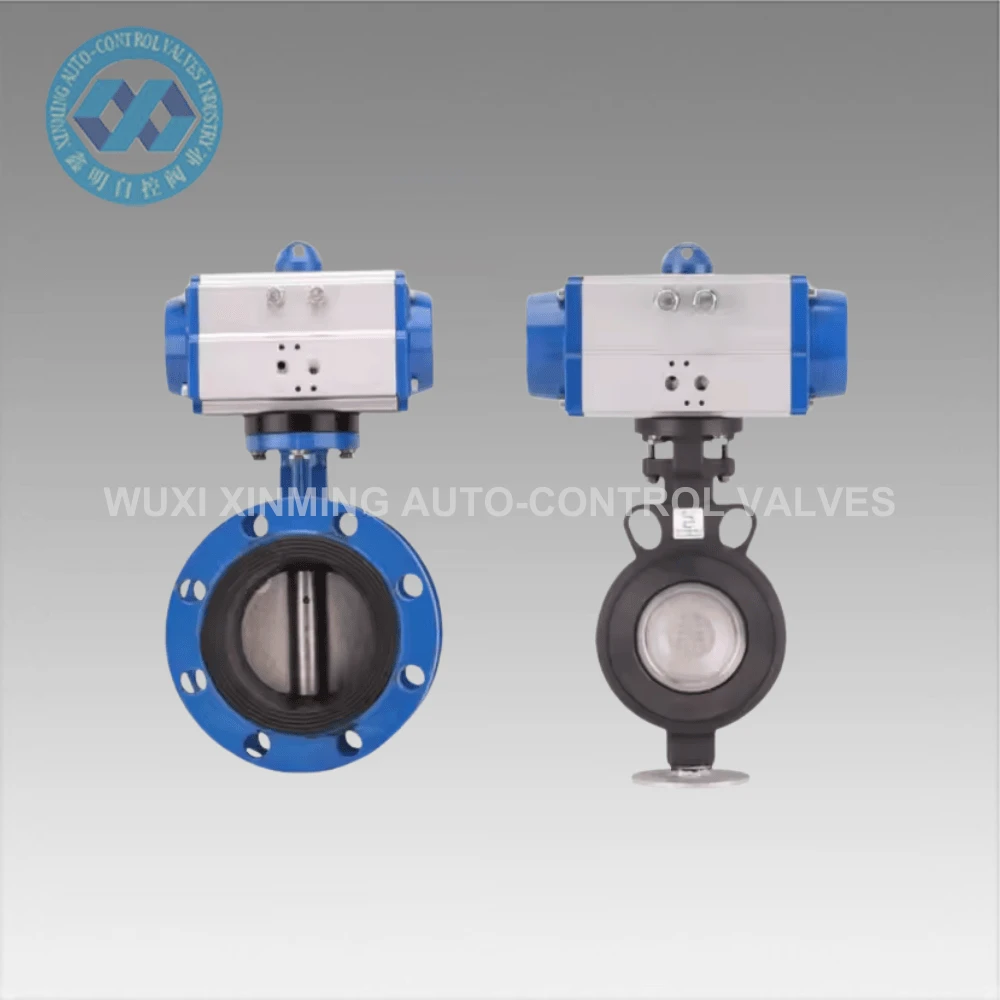
In terms of applications, there are several areas in aerospace where AT Pneumatic Actuators can be used. One common use is in valve control. Pneumatic High Performance Butterfly Valva are often used in aircraft fuel systems, hydraulic systems, and environmental control systems. These valves need to be able to open and close quickly and accurately to regulate the flow of fluids and gases. Our pneumatic actuators can provide the necessary force and precision to operate these valves effectively.
Another potential application is in landing gear systems. The landing gear of an aircraft needs to be deployed and retracted smoothly and reliably. Pneumatic actuators can be used to control the movement of the landing gear, providing the required force to lift and lower the heavy components.
However, before an AT Pneumatic Actuator can be used in an aerospace application, it needs to go through a rigorous testing and certification process. This involves testing the actuator under simulated aerospace conditions to ensure it meets all the relevant standards and requirements. Our company has a state-of-the-art testing facility where we subject our actuators to a variety of tests, including temperature cycling, vibration testing, and pressure testing.
In conclusion, while there are some challenges, AT Pneumatic Actuators can definitely be used in aerospace applications. Their simplicity, lightweight design, and quick response time make them a viable option for many aerospace systems. With the right design and testing, they can meet the high standards of the aerospace industry and contribute to the safe and efficient operation of aerospace vehicles.
If you're in the aerospace industry and are looking for a reliable supplier of AT Pneumatic Actuators, we'd love to hear from you. Our team of experts can work with you to understand your specific requirements and provide you with the best solution for your application. Whether you need a standard actuator or a custom-designed one, we have the expertise and resources to meet your needs. Contact us today to start a discussion about how our AT Pneumatic Actuators can benefit your aerospace project.
References
- "Aerospace Actuator Technology" - Industry Report
- "Pneumatic Systems in Extreme Environments" - Technical Journal