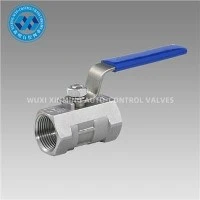
Hey there! As a ceramic ball valve supplier, I often get asked about how to install these valves in a pipeline. In this blog post, I'm gonna walk you through the whole process step by step.
Pre - installation Checks
Before you start installing the ceramic ball valve, you gotta do some pre - installation checks. First off, make sure the pipeline is clean. Any dirt, debris, or rust in the pipeline can mess up the valve's performance and even cause damage over time. You can use a pipe cleaner or a high - pressure air blower to clean the inside of the pipeline.
Next, check the dimensions of the pipeline and the valve. The valve should fit perfectly into the pipeline. Measure the inner diameter of the pipeline and compare it with the outer diameter of the valve's connection part. If there's a mismatch, it can lead to leaks or improper functioning of the valve.
Also, take a good look at the valve itself. Check for any visible damage, like cracks on the ceramic ball or scratches on the sealing surface. If you find any issues, don't use the valve. Instead, contact us as a supplier, and we'll help you out with a replacement.
Tools You'll Need
To install the ceramic ball valve, you'll need a few tools. You'll need a wrench, preferably an adjustable one. This will be used to tighten the bolts when connecting the valve to the pipeline. A pipe cutter might also come in handy if you need to cut the pipeline to the right length. A tape measure is essential for taking accurate measurements, and a sealant can be used to ensure a leak - proof connection.
Installation Steps
Step 1: Shut Down the Pipeline
Safety first! Before you start any installation work, shut down the pipeline. This means turning off the flow of the fluid or gas in the pipeline. You can do this by closing the main valve upstream of the installation point. Make sure to relieve any pressure in the pipeline. You can use a pressure - relief valve or a similar device to do this.
Step 2: Prepare the Pipeline
If you need to cut the pipeline to fit the valve, use the pipe cutter. Make sure to cut the pipe as straight as possible. After cutting, use a file to smooth the edges of the pipe. This will prevent any sharp edges from damaging the valve's sealing surface.
Step 3: Apply Sealant
Apply a thin layer of sealant on the connection surfaces of the pipeline and the valve. This will help create a tight seal and prevent leaks. Be careful not to apply too much sealant, as it can get into the valve and affect its performance.
Step 4: Connect the Valve
Place the ceramic ball valve between the two sections of the pipeline. Align the bolt holes on the valve and the pipeline flanges. Insert the bolts through the holes and hand - tighten the nuts. Then, use the wrench to tighten the nuts further. Make sure to tighten the nuts evenly to avoid any uneven stress on the valve.


Step 5: Check the Valve Operation
Once the valve is installed, check its operation. Open and close the valve a few times to make sure it moves smoothly. Check for any leaks around the connection points. If you find any leaks, tighten the nuts a bit more or add some more sealant.
Different Types of Ceramic Ball Valves and Their Installation Considerations
We offer different types of ceramic ball valves, and each might have some unique installation considerations. For example, the Flanged Stainless Steel Ball Valve is a popular choice. When installing this type of valve, pay extra attention to the flange connection. Make sure the gaskets between the flanges are in good condition and properly installed.
The Sanitary Grade Stainless Steel 304 316 Ball Valve is often used in food and beverage industries. For this valve, cleanliness is of utmost importance. Make sure all the parts are thoroughly cleaned before installation to meet the sanitary requirements.
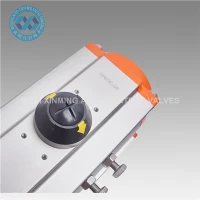
The 180 Degree Pneumatic Actuator 3 Way Ball Valve, 3 Way Ball Valve With Pneumatic Actuator has an actuator. When installing this valve, you need to connect the actuator correctly. Follow the manufacturer's instructions for wiring and mounting the actuator.
Post - installation Maintenance
After installing the ceramic ball valve, regular maintenance is crucial. Check the valve periodically for any signs of wear or damage. Lubricate the moving parts if necessary. If you notice any issues, like a decrease in the valve's performance or a leak, contact us as your supplier. We can provide you with the necessary parts and advice for repair.
Conclusion
Installing a ceramic ball valve in a pipeline might seem a bit daunting at first, but if you follow the steps I've outlined above, you'll be able to do it successfully. As a ceramic ball valve supplier, we're here to support you every step of the way. Whether you have questions about installation, maintenance, or you're looking to purchase more valves, don't hesitate to reach out to us. We can offer you high - quality products and professional advice. If you're interested in our products or have any procurement needs, feel free to contact us for a detailed discussion.
References
- "Valve Installation and Maintenance Guide" - General valve industry handbook
- Manufacturer's installation manuals for ceramic ball valves