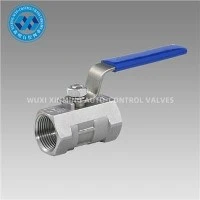
As a trusted supplier of ceramic ball valves, I understand the significance of maintaining these valves to ensure their optimal performance and longevity. Ceramic ball valves are renowned for their exceptional durability, corrosion resistance, and precise flow control, making them a popular choice in various industries. In this blog, I will share some practical tips on how to maintain the cleanliness of a ceramic ball valve.
Understanding the Importance of Cleanliness
Cleanliness is crucial for the proper functioning of a ceramic ball valve. Any dirt, debris, or contaminants that accumulate inside the valve can cause abrasion, corrosion, and blockages, leading to reduced performance, leaks, and even premature failure. By maintaining the cleanliness of the valve, you can prevent these issues and ensure that the valve operates smoothly and efficiently.
Regular Inspection
Regular inspection is the first step in maintaining the cleanliness of a ceramic ball valve. Inspect the valve visually for any signs of dirt, corrosion, or damage. Check the valve body, ball, seats, and seals for any wear or tear. Look for any leaks or drips around the valve. If you notice any issues, address them immediately to prevent further damage.
Cleaning the Valve Body
The valve body is the outer casing of the ceramic ball valve and can accumulate dirt and debris over time. To clean the valve body, use a soft brush or cloth to remove any loose dirt or debris. You can also use a mild detergent and water solution to clean the valve body. Avoid using abrasive cleaners or tools that can scratch the surface of the valve body.
Cleaning the Ball and Seats
The ball and seats are the critical components of the ceramic ball valve that control the flow of fluid. Over time, these components can accumulate dirt, debris, and contaminants, which can affect the valve's performance. To clean the ball and seats, remove the valve from the pipeline and disassemble it. Use a soft brush or cloth to remove any loose dirt or debris from the ball and seats. You can also use a mild detergent and water solution to clean the ball and seats. Rinse the ball and seats thoroughly with clean water and dry them with a soft cloth.


Lubricating the Seals
The seals are the components of the ceramic ball valve that prevent leaks. Over time, the seals can dry out and become brittle, which can lead to leaks. To prevent this, lubricate the seals regularly with a suitable lubricant. Make sure to use a lubricant that is compatible with the valve's materials and the fluid being handled.
Flushing the Valve
Flushing the valve is an effective way to remove any dirt, debris, or contaminants that may have accumulated inside the valve. To flush the valve, open the valve fully and allow the fluid to flow through it for a few minutes. This will help to remove any loose dirt or debris from the valve. You can also use a flushing agent to clean the valve more effectively. Make sure to follow the manufacturer's instructions when using a flushing agent.
Protecting the Valve
Protecting the valve from dirt, debris, and contaminants is essential for maintaining its cleanliness. Make sure to install the valve in a clean and dry environment. Use a filter or strainer to remove any dirt or debris from the fluid before it enters the valve. Avoid exposing the valve to harsh chemicals or abrasive materials that can damage the valve.
Using the Right Tools
Using the right tools is essential for maintaining the cleanliness of a ceramic ball valve. Make sure to use a soft brush or cloth to clean the valve. Avoid using abrasive cleaners or tools that can scratch the surface of the valve. Use a suitable lubricant to lubricate the seals. Make sure to follow the manufacturer's instructions when using any tools or lubricants.
Training the Operators
Training the operators on how to maintain the cleanliness of the ceramic ball valve is essential. Make sure to provide the operators with proper training on how to inspect, clean, and lubricate the valve. Train the operators on how to use the right tools and lubricants. Provide the operators with a maintenance schedule and make sure they follow it.
Conclusion
Maintaining the cleanliness of a ceramic ball valve is essential for its optimal performance and longevity. By following the tips outlined in this blog, you can ensure that your ceramic ball valve operates smoothly and efficiently. Remember to inspect the valve regularly, clean the valve body, ball, and seats, lubricate the seals, flush the valve, protect the valve, use the right tools, and train the operators. If you have any questions or need further assistance, please do not hesitate to contact us. We are a leading supplier of ceramic ball valves and can provide you with the highest quality products and services. We look forward to hearing from you and discussing your procurement needs.
References
- Manufacturer's manuals and guidelines for ceramic ball valves.
- Industry standards and best practices for valve maintenance.