As a supplier of Flange Ball Valves, I've had my fair share of experiences in this field. One question that often comes up is, "How does the fluid velocity affect a Flange Ball Valve?" Well, let's dive in and break it down.
1. Basics of Fluid Velocity and Flange Ball Valves
First things first, let's understand what fluid velocity is. Fluid velocity simply refers to how fast the fluid (could be liquid or gas) is moving through a pipeline. And a Flange Ball Valve is a type of valve that uses a ball - shaped disc to control the flow of fluids. When the ball is turned so that the hole aligns with the pipeline, the fluid can pass through. When it's rotated 90 degrees, the flow is stopped.
Now, why is fluid velocity important? Well, it can have a significant impact on the performance, lifespan, and even the safety of the Flange Ball Valve.
2. Effects on Valve Performance
2.1. Flow Control
One of the main functions of a Flange Ball Valve is to control the flow of fluid. The fluid velocity plays a crucial role here. At low velocities, the valve can provide more precise flow control. The ball can be rotated easily to adjust the opening size, and the fluid flow changes smoothly.
However, at high velocities, things get a bit tricky. The high - speed fluid can generate a lot of force on the ball, making it harder to control the rotation. This might lead to inaccurate flow control, where the actual flow rate doesn't match the desired setting. For example, if you're trying to maintain a certain flow rate of a chemical in a manufacturing process, a high - velocity fluid might cause the flow to be either too high or too low, affecting the quality of the end product.
2.2. Pressure Drop
Fluid velocity also affects the pressure drop across the valve. Pressure drop is the decrease in pressure that occurs as the fluid moves through the valve. At low velocities, the pressure drop is generally minimal. The fluid passes through the valve relatively easily, and there isn't much resistance.
But as the fluid velocity increases, the pressure drop becomes more significant. The high - speed fluid collides with the internal parts of the valve, creating turbulence and increasing the resistance. This not only wastes energy but can also cause issues in the pipeline system. For instance, if the pressure drop is too high, it might require a more powerful pump to maintain the flow, increasing the operating costs.
3. Impact on Valve Lifespan
3.1. Erosion
Erosion is one of the major concerns when it comes to high - velocity fluids. The high - speed fluid can carry particles (such as sand or dirt) that act like abrasives. These particles can wear away the surface of the ball and the valve seats over time.
If the fluid velocity is extremely high, the erosion can be so severe that it can damage the valve beyond repair. For example, in an oil pipeline where the fluid might contain small sand particles, a high - velocity flow can cause the ball's surface to become rough, leading to leaks and reduced functionality.
3.2. Cavitation
Cavitation is another problem related to fluid velocity. When the fluid velocity is high, the pressure in the valve can drop below the vapor pressure of the fluid. This causes small vapor bubbles to form in the fluid. When these bubbles collapse, they release a large amount of energy, which can cause pitting and damage to the valve components.
Cavitation is more likely to occur when the valve is partially open. The sudden change in the flow area due to the valve's position can cause the fluid velocity to increase rapidly, leading to cavitation. If left untreated, cavitation can shorten the lifespan of the Flange Ball Valve significantly.
4. Safety Considerations
4.1. Structural Integrity
High - velocity fluids can put a lot of stress on the valve's structure. The forces generated by the fast - moving fluid can cause the valve body to deform or even crack. This is especially dangerous in applications where the fluid is hazardous, such as in a chemical plant or a refinery.
If the valve fails due to the high - velocity forces, it can lead to leaks, spills, and even explosions in some cases. So, it's crucial to consider the fluid velocity when selecting a Flange Ball Valve to ensure its structural integrity.
4.2. Noise and Vibration
High - velocity fluid flow through the valve can also generate a lot of noise and vibration. The noise can be a nuisance in a workplace, and excessive vibration can cause damage to the valve and other connected equipment.
For example, in a building's plumbing system, a high - velocity flow through a Flange Ball Valve can cause annoying rattling noises. And in an industrial setting, the vibration can loosen the valve's connections, leading to leaks and other problems.
5. Our Solutions as a Flange Ball Valve Supplier
As a supplier of Flange Ball Valves, we understand the importance of dealing with different fluid velocities. We offer a wide range of valve products to suit various flow conditions.
For low - velocity applications, we have standard Flange Ball Valves that provide excellent flow control and long - term reliability. These valves are designed to minimize pressure drop and are suitable for general - purpose applications like water supply systems.

For high - velocity applications, we have specialized valves that are designed to withstand the high - speed forces. These valves are made from high - quality materials that are resistant to erosion and cavitation. For example, our valves might have hardened ball surfaces and special coatings to protect against wear and tear.
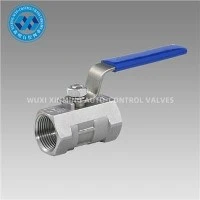
We also offer 1PC Thread Ball Valve which is suitable for small - scale applications where the fluid velocity is relatively low. These valves are easy to install and maintain.
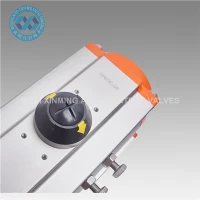
Our Three Stage Pneumatic Rotary Actuator Ball Valve Made in China is a great option for high - precision control applications, whether the fluid velocity is low or high. The pneumatic actuator allows for quick and accurate valve operation.
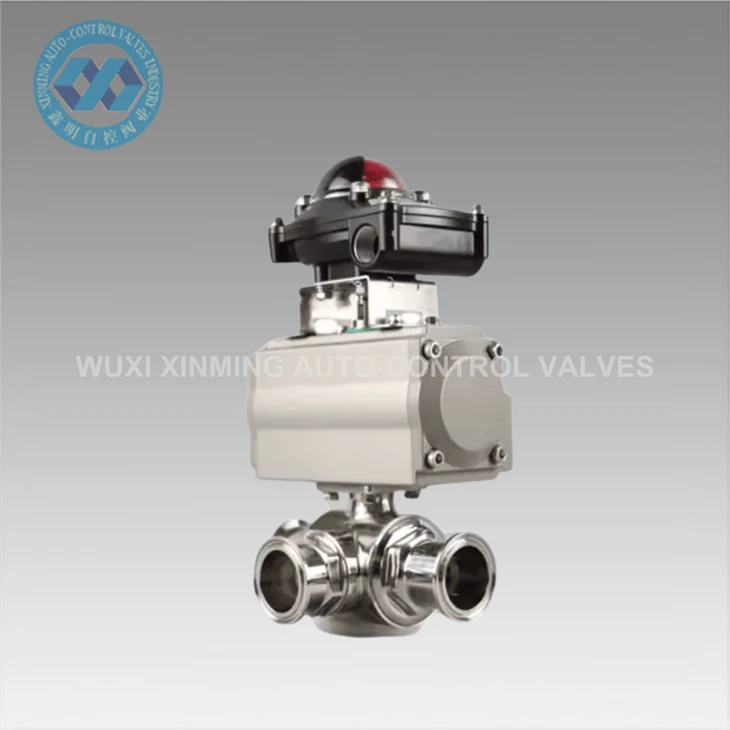
And if you need a valve for more complex flow patterns, our L - t Stainless Steel Pneumatic Three - way Ball Valve is an excellent choice. It can handle different fluid velocities and is made from durable stainless steel to resist corrosion.
6. Get in Touch for Purchasing
If you're in the market for a Flange Ball Valve, or if you have any questions about how fluid velocity affects these valves, don't hesitate to reach out. We're here to help you select the right valve for your specific application. Whether it's a small - scale project or a large industrial one, we have the expertise and products to meet your needs.