As a dedicated supplier of Lug Butterfly Valves, I've witnessed firsthand the significant impact that lug design has on both the installation and use of these essential valves. In this blog post, I will delve into the various aspects of lug design, explore how it influences valve installation and performance, and highlight the benefits of choosing the right lug design for your specific applications.
Lug Design Basics
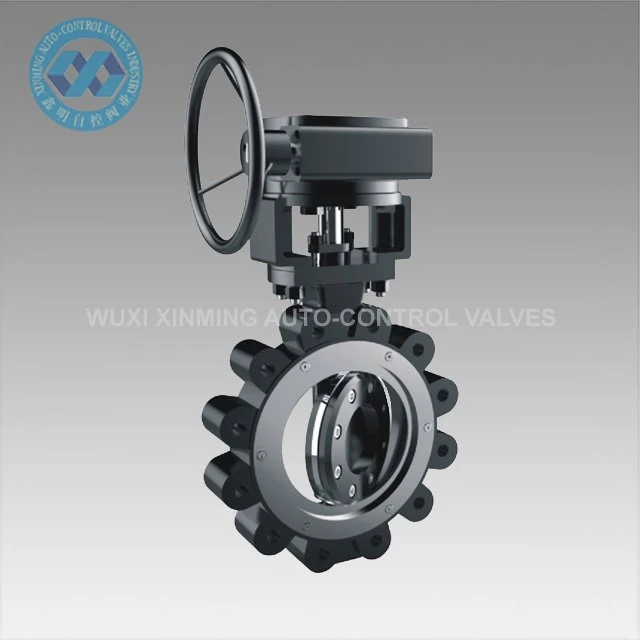
Lug Butterfly Valves are characterized by their unique lugged body design, which features threaded inserts or lugs on the valve body. These lugs serve several important functions, including providing a means of mounting the valve between two flanges, facilitating easy installation and removal, and allowing for the use of bolts or studs to secure the valve in place.
There are several different types of lug designs available, each with its own advantages and disadvantages. Some of the most common lug designs include:
- Standard Lug Design: This is the most basic type of lug design, featuring evenly spaced lugs around the circumference of the valve body. Standard lug designs are suitable for a wide range of applications and are typically the most cost-effective option.
- Extended Lug Design: Extended lug designs feature longer lugs that extend beyond the face of the valve body. These lugs provide additional support and stability, making them ideal for applications where the valve is subject to high pressure or vibration.
- Double Lug Design: Double lug designs feature two sets of lugs on the valve body, providing additional mounting options and increased flexibility. Double lug designs are often used in applications where the valve needs to be installed in a specific orientation or where multiple valves need to be connected in series.
Impact of Lug Design on Installation
The lug design of a Lug Butterfly Valve can have a significant impact on the ease and efficiency of installation. Here are some of the key factors to consider:
- Alignment and Mounting: The lug design of a valve determines how it is aligned and mounted between two flanges. A well-designed lug system ensures that the valve is properly aligned with the flanges, reducing the risk of leaks and ensuring a secure connection.
- Ease of Installation: The number and spacing of the lugs can affect the ease of installation. Valves with fewer lugs may be easier to install, especially in tight spaces, while valves with more lugs provide greater stability and support.
- Compatibility with Flanges: The lug design must be compatible with the flange type and size being used. Different flange standards and sizes require different lug configurations, so it's important to choose a valve with the appropriate lug design for your specific application.
- Accessibility for Maintenance: The lug design can also impact the accessibility of the valve for maintenance and repair. Valves with extended lugs or double lug designs may provide easier access to the valve internals, making it easier to perform maintenance tasks.
Impact of Lug Design on Use
In addition to its impact on installation, the lug design of a Lug Butterfly Valve can also affect its performance and functionality during use. Here are some of the key factors to consider:
- Sealing Performance: The lug design can influence the sealing performance of the valve. A well-designed lug system ensures that the valve is properly aligned and tightened, reducing the risk of leaks and ensuring a reliable seal.
- Pressure Rating: The lug design can also affect the pressure rating of the valve. Valves with extended lugs or double lug designs may be able to withstand higher pressures, making them suitable for applications where high pressure is a concern.
- Flow Characteristics: The lug design can have an impact on the flow characteristics of the valve. Valves with a smooth and streamlined lug design may offer lower pressure drop and better flow performance, while valves with a more complex lug design may cause turbulence and reduce flow efficiency.
- Corrosion Resistance: The lug design can also affect the corrosion resistance of the valve. Valves with a lug design that provides good drainage and ventilation may be less prone to corrosion, especially in applications where the valve is exposed to corrosive fluids or environments.
Choosing the Right Lug Design
When choosing a Lug Butterfly Valve, it's important to consider the specific requirements of your application and choose the appropriate lug design accordingly. Here are some factors to consider:
- Application Requirements: Consider the operating conditions, such as pressure, temperature, and flow rate, as well as the type of fluid being handled. This will help you determine the appropriate pressure rating, material, and size of the valve.
- Flange Compatibility: Ensure that the lug design of the valve is compatible with the flange type and size being used. Different flange standards and sizes require different lug configurations, so it's important to choose a valve with the appropriate lug design for your specific application.
- Installation Requirements: Consider the available space, accessibility, and ease of installation. Valves with fewer lugs may be easier to install, especially in tight spaces, while valves with more lugs provide greater stability and support.
- Maintenance Requirements: Consider the frequency and type of maintenance required. Valves with extended lugs or double lug designs may provide easier access to the valve internals, making it easier to perform maintenance tasks.
Benefits of Working with a Reliable Supplier
As a trusted supplier of Lug Butterfly Valves, I understand the importance of providing high-quality products and excellent customer service. Here are some of the benefits of working with a reliable supplier:
- Quality Assurance: A reputable supplier will ensure that their products meet the highest quality standards and are manufactured using the latest technologies and materials.
- Technical Expertise: A experienced supplier will have a team of technical experts who can provide you with professional advice and guidance on selecting the right valve for your specific application.
- Customization Options: A reliable supplier will offer customization options to meet your unique requirements, such as special coatings, materials, or sizes.
- After-Sales Support: A good supplier will provide comprehensive after-sales support, including installation, maintenance, and repair services, to ensure that your valve operates smoothly and efficiently.
Conclusion
In conclusion, the lug design of a Lug Butterfly Valve plays a crucial role in both its installation and use. By understanding the different types of lug designs available and their impact on valve performance, you can make an informed decision when choosing a valve for your specific application. Working with a reliable supplier who can provide high-quality products and excellent customer service is also essential to ensure the success of your project.
If you're in the market for a Lug Butterfly Valve, or if you have any questions or concerns about valve selection, installation, or use, please don't hesitate to [contact us]. We'd be happy to help you find the right valve for your needs and provide you with the support and guidance you need to ensure a successful project.