Hey there! As a supplier of WCB Butterfly Valves, I often get questions about how to accurately adjust the opening degree of these valves. It's a crucial aspect, especially when it comes to ensuring the proper functioning of various systems. So, let's dive right into it.
First off, understanding the basics of a WCB Butterfly Valve is essential. These valves are widely used in many industries due to their simple design, low cost, and efficient flow control. The opening degree of a butterfly valve determines the amount of fluid or gas that can pass through it. Whether you're dealing with water, air, or other substances, getting the opening degree right is key to maintaining the desired flow rate.
One of the most common methods to adjust the opening degree is through manual operation. Most WCB Butterfly Valves come with a handwheel or a lever. To adjust the opening, you simply turn the handwheel or move the lever. Clockwise rotation usually closes the valve, while counter - clockwise rotation opens it. But here's the thing, it's not always easy to get the exact opening degree you need just by eye - balling it. That's where some additional tools and techniques come in handy.
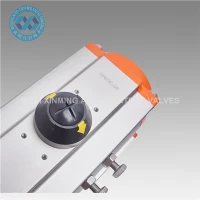
For more precise control, you can use a position indicator. A position indicator is a device that shows the exact opening degree of the valve. It's usually installed on the valve stem and can be calibrated to display the percentage of the valve's opening. This way, you can set the valve to the exact opening degree you require, whether it's 20%, 50%, or 80%.
If you're dealing with a large - scale industrial application, manual adjustment might not be practical. That's when you can opt for automated control systems. There are several types of automated actuators available for WCB Butterfly Valves, such as pneumatic and electric actuators.
Pneumatic actuators use compressed air to operate the valve. They're known for their fast response time and high torque. With a pneumatic actuator, you can easily control the opening degree of the valve by adjusting the air pressure. For example, if you want to open the valve more, you increase the air pressure, and if you want to close it, you decrease the pressure. You can check out our Factory - direct Pneumatic Double Eccentric Flange Butterfly Valve which is equipped with a reliable pneumatic actuator for accurate opening degree adjustment.
Electric actuators, on the other hand, use electricity to drive the valve. They offer precise control and can be programmed to open or close the valve at specific intervals or to a specific opening degree. Our Pneumatic Actuator Wafer Butterfly Valve and High Performance Electric Lining Butterfly Valve are great examples of valves with electric actuators that can provide accurate opening degree adjustment.
Another important factor to consider when adjusting the opening degree is the valve's position in the pipeline. The valve should be installed in a location where it can be easily accessed for adjustment. Also, make sure that the pipeline is properly supported to prevent any misalignment of the valve, which can affect the accuracy of the opening degree adjustment.
Before making any adjustments, it's a good idea to check the valve's operating manual. The manual will provide detailed instructions on how to adjust the opening degree for your specific valve model. It may also include information on the maximum and minimum opening degrees, as well as any special considerations for your application.
In addition to the above methods, regular maintenance of the valve is crucial. Over time, the valve components may wear out, which can affect the accuracy of the opening degree adjustment. Make sure to inspect the valve regularly for any signs of damage or wear, such as leaks, corrosion, or loose parts. If you notice any issues, it's important to address them promptly to ensure the proper functioning of the valve.


Now, let's talk about some tips to ensure accurate adjustment. First, always start with a clean valve. Dirt and debris can get stuck in the valve mechanism, making it difficult to adjust the opening degree accurately. Use a suitable cleaning agent to remove any dirt or debris from the valve.
Secondly, make small adjustments at a time. If you try to make large adjustments all at once, it can be difficult to control the opening degree precisely. Instead, make small incremental adjustments and check the position indicator after each adjustment.
Finally, keep a record of the adjustments you make. This can help you track the performance of the valve over time and identify any trends or issues.
In conclusion, adjusting the opening degree of a WCB Butterfly Valve accurately is a combination of understanding the valve's operation, using the right tools and techniques, and regular maintenance. Whether you're using manual or automated methods, following these guidelines will help you achieve the desired opening degree and ensure the efficient operation of your system.
If you're in the market for high - quality WCB Butterfly Valves or need more information on how to adjust their opening degrees, feel free to reach out to us. We're here to help you find the best solutions for your specific needs.