The ATPneumatic actuator is a crucial device in various industrial automation systems, providing reliable and efficient actuation for valves and other mechanical components. Proper adjustment of its stroke is essential to ensure optimal performance and accurate control. As a leading supplier of ATPneumatic actuators, I am here to share some in - depth knowledge on how to adjust the stroke of an AT Pneumatic Actuator.
Understanding the ATPneumatic Actuator
Before we delve into the adjustment process, it's important to understand the basic components and working principle of an ATPneumatic actuator. An ATPneumatic actuator typically consists of a cylinder, pistons, springs, and valve connections. It uses compressed air to generate linear or rotary motion, which is then transferred to the valve or other equipment it is connected to.
The stroke of a pneumatic actuator refers to the distance the piston travels within the cylinder in a single direction. This distance determines the degree of valve opening or closing, which in turn affects the flow rate and pressure control in the system. Incorrect stroke adjustment can lead to issues such as incomplete valve opening, excessive wear on valve components, and inaccurate process control.
Tools Required for Stroke Adjustment
To adjust the stroke of an ATPneumatic actuator, you will need the following tools:
- Wrenches: Appropriate wrenches to loosen and tighten the actuator's mounting bolts and adjustment nuts.
- Measuring Tools: A caliper or a ruler to measure the stroke accurately.
- Pneumatic Pressure Gauge: To monitor the air pressure supplied to the actuator.
Step - by - Step Stroke Adjustment Procedure
1. Safety First
Before starting any adjustment, make sure to isolate the actuator from the power source (compressed air supply) and relieve any residual pressure in the system. This can be done by closing the air supply valve and opening the exhaust valve.
2. Locate the Stroke Adjustment Mechanism
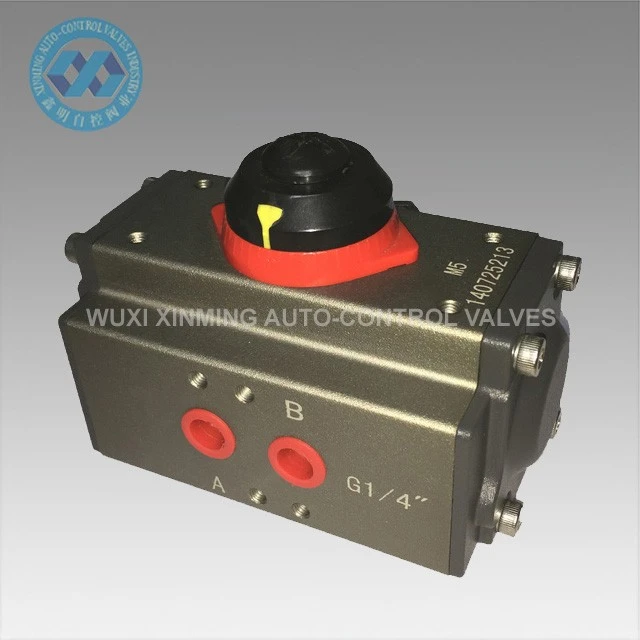
The stroke adjustment mechanism of an ATPneumatic actuator can vary depending on the model. In most cases, it is located at the end of the actuator cylinder and consists of adjustment nuts or screws.
3. Set the Initial Position
With the piston in the fully retracted position, set your measuring tool to zero. This will serve as the reference point for measuring the stroke.
4. Apply Air Pressure
Gradually apply air pressure to the actuator using a regulated air supply. Observe the movement of the piston. As the air pressure increases, the piston will start to move.
5. Measure the Initial Stroke
Once the piston has reached the fully extended position, measure the distance it has traveled using the measuring tool. Compare this measurement with the required stroke specified for your application.
6. Adjust the Stroke
If the measured stroke is different from the required stroke, you need to adjust the stroke mechanism. For linear actuators, turning the adjustment nuts clockwise will decrease the stroke, while turning them counter - clockwise will increase it. For rotary actuators, the adjustment may involve changing the position of a cam or a limit switch.
7. Re - measure the Stroke
After making the adjustment, repeat the process of applying air pressure and measuring the stroke. Make further adjustments if necessary until the measured stroke matches the required stroke within an acceptable tolerance.
8. Secure the Adjustment
Once the correct stroke is achieved, use the wrenches to tighten the adjustment nuts or screws to prevent them from loosening during operation.
Factors Affecting Stroke Adjustment
Several factors can affect the stroke adjustment of an ATPneumatic actuator:
1. Air Pressure
The air pressure supplied to the actuator has a direct impact on its stroke. Higher air pressure will generally result in a longer stroke, while lower air pressure will lead to a shorter stroke. It is important to maintain a stable and appropriate air pressure throughout the adjustment process.
2. Load
The load on the actuator, such as the friction in the valve or the resistance in the mechanical linkage, can also affect the stroke. A heavier load may cause the actuator to have a shorter stroke than expected. In such cases, it may be necessary to increase the air pressure or adjust the actuator's design to handle the load.
3. Wear and Tear
Over time, the components of the actuator may wear out, which can affect the stroke. Regular maintenance and inspection of the actuator can help identify and replace worn - out parts before they cause significant problems.
Related Products
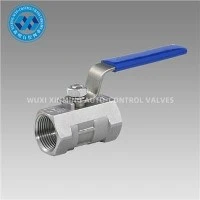
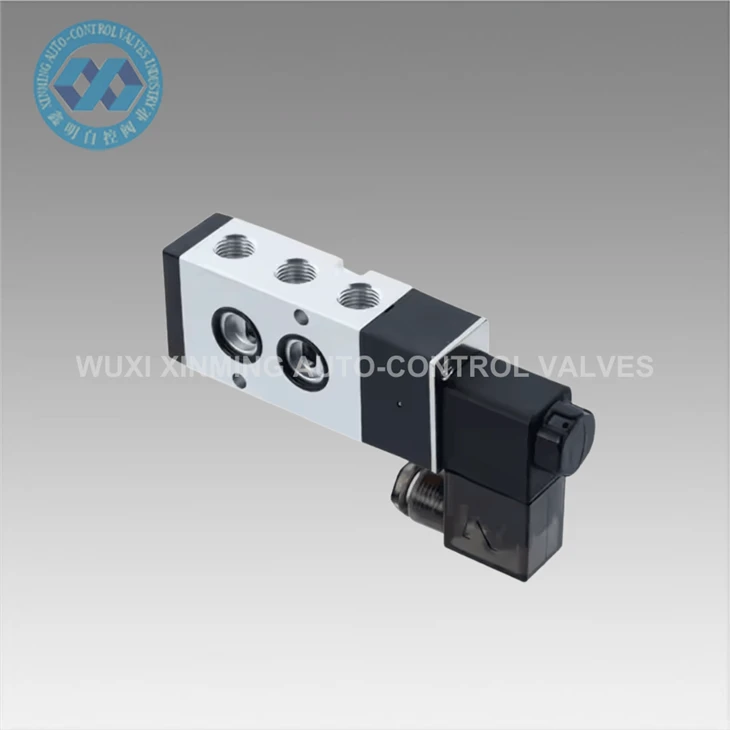
If you are in the market for pneumatic actuators and related products, we offer a range of high - quality solutions. For example, our High Quality Pneumatic Thread Ball Valve With Quarter - Turn Actuation For Automated Flow Control is an excellent choice for applications requiring precise flow control. The XM AT040 Small Pneumatic Actuator is ideal for compact spaces where a small yet powerful actuator is needed. And our 2 - way 5 - port High - pressure Pneumatic Solenoid Valve(0 - 10MPA) can provide reliable control of the pneumatic system.
Importance of Proper Stroke Adjustment
Proper stroke adjustment of an ATPneumatic actuator is not just about achieving the correct valve position. It also has a significant impact on the overall performance and efficiency of the system.
- Improved Process Control: Accurate stroke adjustment ensures that the valve opens and closes to the exact degree required, which in turn leads to more precise control of the flow rate, pressure, and temperature in the process.
- Extended Component Lifespan: When the actuator operates with the correct stroke, there is less stress on the valve components and the actuator itself. This reduces wear and tear, leading to a longer lifespan for the equipment.
- Energy Efficiency: A well - adjusted actuator uses the right amount of air pressure to achieve the desired stroke, which can result in energy savings over time.
Conclusion
Adjusting the stroke of an AT Pneumatic Actuator is a critical task that requires careful attention to detail. By following the steps outlined in this blog and considering the factors that can affect the stroke, you can ensure that your actuator operates at its best.
If you are interested in purchasing our high - quality AT Pneumatic Actuators or need further assistance with stroke adjustment or other technical issues, please feel free to contact us for a procurement discussion. We are committed to providing you with the best products and services to meet your industrial automation needs.
References
- "Pneumatic Actuator Handbook", Industrial Automation Publishing
- Technical documentation of AT Pneumatic Actuators