Hey there! As a supplier of PVC butterfly valves, I know how crucial it is to choose the right valve with a specific flow pattern for your system. Today, I'll walk you through the key factors to consider when making this important decision.
Understanding Flow Patterns in PVC Butterfly Valves
First off, let's talk about the different flow patterns that PVC butterfly valves can provide. There are generally three main types: equal percentage, linear, and quick opening.
- Equal Percentage Flow Pattern: This pattern is great when you need precise control over the flow rate, especially in systems where the pressure drop varies significantly. In an equal percentage valve, a small change in the valve opening at low flow rates results in a small change in flow, while the same change in opening at high flow rates causes a much larger change in flow. It's ideal for applications where you need to maintain a consistent ratio between the flow rate and the valve opening, like in some chemical dosing systems.
- Linear Flow Pattern: As the name suggests, a linear flow pattern means that the flow rate is directly proportional to the valve opening. So, if you open the valve by 50%, the flow rate will be half of the maximum flow rate. This pattern is commonly used in systems where you need a straightforward relationship between the valve position and the flow rate, such as in simple water distribution systems.
- Quick Opening Flow Pattern: A quick opening valve provides a large increase in flow rate with a small initial opening. This is useful in applications where you need to quickly open or close the valve to control the flow, like in emergency shut - off systems or in some on - off control applications.
Factors to Consider When Choosing a PVC Butterfly Valve with a Specific Flow Pattern
System Requirements
- Flow Rate: Determine the maximum and minimum flow rates your system needs to handle. If you have a system that requires a wide range of flow control, an equal percentage flow pattern might be the best choice. However, if the flow rate remains relatively constant, a linear flow pattern could be sufficient.
- Pressure Drop: Consider the pressure drop across the valve. Some flow patterns, like the equal percentage, are better at handling large pressure drops without sacrificing control. If your system has a high - pressure drop, make sure the valve you choose can maintain stable operation.
Application Type
- Process Control: In industrial processes where precise control of flow, pressure, or temperature is required, an equal percentage or linear flow pattern valve may be necessary. For example, in a pharmaceutical manufacturing process, accurate flow control is crucial to ensure the quality of the final product.
- On - Off Control: For applications where the valve is mainly used for opening and closing, such as in a simple plumbing system, a quick opening flow pattern valve can provide fast and efficient operation.
Compatibility
- Fluid Type: The type of fluid flowing through the valve is an important factor. PVC is a great material for many applications because it's corrosion - resistant, but it may not be suitable for all fluids. Make sure the PVC material is compatible with the fluid in terms of chemical composition, temperature, and viscosity.
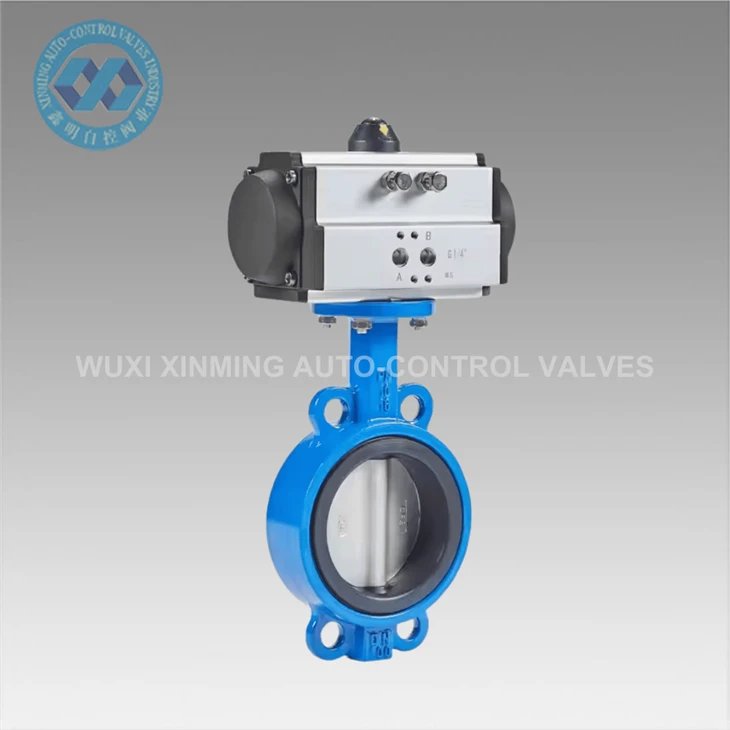
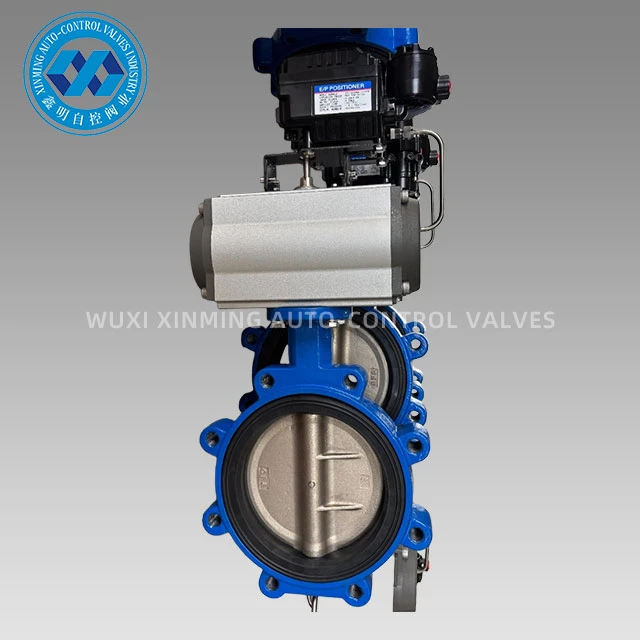
- System Components: The valve should be compatible with other components in the system, such as pipes, pumps, and actuators. For instance, if you're using a Pneumatic Butterfly Valve Actuator, ensure that it can work smoothly with the chosen PVC butterfly valve.
Valve Design and Features
- Disc Design: The design of the valve disc can affect the flow pattern. Different disc shapes can create different flow characteristics. For example, a thin - edged disc may provide a more linear flow pattern, while a contoured disc can be designed to achieve an equal percentage flow pattern.
- Sealing Mechanism: A good sealing mechanism is essential to prevent leakage. Look for a valve with a reliable seal that can maintain its integrity over time, especially if you're dealing with high - pressure or corrosive fluids.
Sizing the Valve
Proper sizing of the PVC butterfly valve is crucial for achieving the desired flow pattern. An undersized valve can cause excessive pressure drop and limited flow capacity, while an oversized valve may not provide accurate flow control. You can use industry - standard sizing charts or consult with an engineer to determine the correct valve size based on your system's requirements.
Examples of PVC Butterfly Valves with Different Flow Patterns
- If you're looking for a durable and versatile valve with a suitable flow pattern, our Stainless Steel SS304 316L Pneumatic Butterfly Valve Butterfly Valve is a great option. It offers reliable performance and can be configured to provide different flow patterns depending on your needs.
- For applications in the food and beverage industry where hygiene is a top priority, our Wafer Hygienic Grade Actuator Pneumatic Butterfly Valve with its specific design can achieve the necessary flow pattern while maintaining a high level of cleanliness.
Conclusion
Choosing the right PVC butterfly valve with a specific flow pattern is a multi - step process that requires careful consideration of your system requirements, application type, valve design, and sizing. By understanding the different flow patterns and how they work, you can make an informed decision that will ensure the efficient and reliable operation of your system.
If you're in the market for a PVC butterfly valve and need more information or want to discuss your specific requirements, don't hesitate to reach out. We're here to help you find the perfect valve for your application. Let's start a conversation and see how we can meet your needs!
References
- Common Valve Handbook.
- Industrial Fluid Handling Standards.