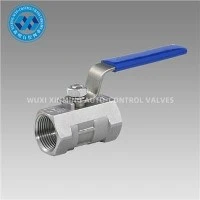
Hey there! As a supplier of Soft - seal Ball Valves, I know how important it is to ensure good sealing. A well - sealed soft - seal ball valve can prevent leaks, improve efficiency, and save a lot of headaches in different industrial applications. In this blog, I'll share some tips on how to ensure the good sealing of a Soft - seal Ball Valve.
1. Material Selection
First things first, the materials used in the valve play a crucial role in its sealing performance. The soft seal is usually made of materials like PTFE (Polytetrafluoroethylene), NBR (Nitrile Butadiene Rubber), or EPDM (Ethylene Propylene Diene Monomer). Each material has its own properties and is suitable for different working conditions.
PTFE is known for its excellent chemical resistance and low friction coefficient. It can withstand a wide range of temperatures and is often used in applications where there are corrosive fluids. NBR, on the other hand, is more flexible and has good resistance to oil and fuel. EPDM is great for applications involving water and steam due to its high resistance to weathering and aging.
When choosing the material for the soft seal, you need to consider the type of fluid, temperature, pressure, and chemical properties of the environment. For example, if you're dealing with a highly corrosive acid, PTFE would be a better choice. If it's an oil - based system, NBR might be more suitable.
2. Proper Installation
Installing the soft - seal ball valve correctly is essential for good sealing. Here are some key points to keep in mind:
- Alignment: Make sure the valve is properly aligned with the pipeline. Misalignment can cause uneven stress on the seal, leading to leaks. Use proper flanges and gaskets to ensure a tight fit.
- Torque: When tightening the bolts or nuts, follow the manufacturer's recommended torque values. Over - tightening can damage the seal, while under - tightening can result in a loose connection and leaks.
- Cleanliness: Before installation, clean the valve and the pipeline thoroughly to remove any dirt, debris, or contaminants. Even a small particle can prevent the seal from making a proper contact.
3. Regular Maintenance
Regular maintenance is the key to ensuring the long - term sealing performance of a soft - seal ball valve. Here are some maintenance tasks you should perform:
- Inspection: Periodically inspect the valve for any signs of wear, damage, or leakage. Check the seals, gaskets, and the valve body for cracks or deformation.
- Lubrication: Some soft - seal ball valves require lubrication to reduce friction and ensure smooth operation. Use the recommended lubricant and apply it according to the manufacturer's instructions.
- Replacement: If you notice any significant wear or damage to the seal, replace it immediately. Delaying the replacement can lead to more serious problems and costly repairs.
4. Operating Conditions
The operating conditions of the valve can also affect its sealing performance. Here are some factors to consider:
- Temperature: Extreme temperatures can cause the soft seal to expand or contract, affecting its sealing ability. Make sure the valve is rated for the temperature range of your application.
- Pressure: High pressure can put a lot of stress on the seal. Ensure that the valve is designed to handle the pressure in your system.
- Flow Rate: A high flow rate can cause erosion and wear on the seal. If you have a high - flow application, consider using a valve with a more robust seal design.
5. Compatibility with Other Components
The soft - seal ball valve needs to be compatible with other components in the system, such as pipes, fittings, and actuators. Here are some things to keep in mind:
- Material Compatibility: The materials of the valve and other components should be compatible to prevent chemical reactions that could damage the seal.
- Size and Connection: Make sure the valve has the correct size and connection type to fit properly with the rest of the system.
Now, if you're in the market for high - quality valves, we offer a variety of options. You can check out our High Quality Three - way Pneumatic Ball Valve, Ceramic Ball Valve, and 3 Way Ball Valve With Pneumatic Actuator.

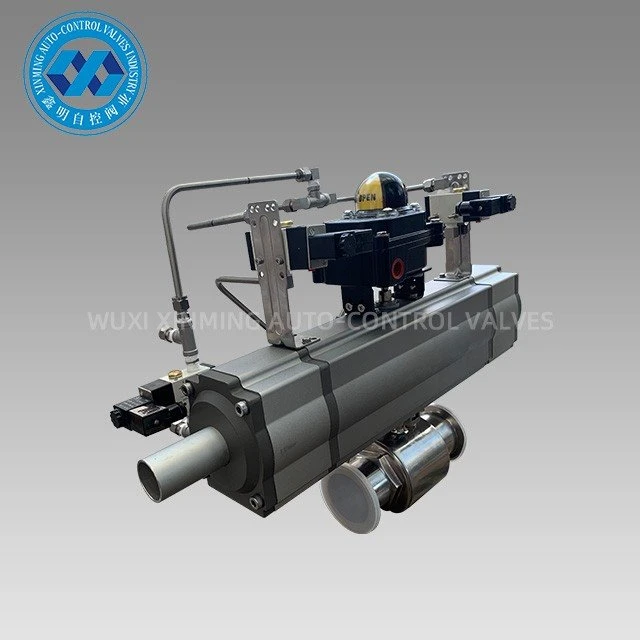
If you're interested in purchasing our Soft - seal Ball Valves or have any questions about ensuring good sealing, feel free to reach out to us. We're here to help you find the best solution for your needs.