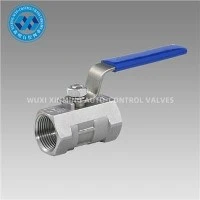
As a supplier of welded ball valves, I've dealt with all sorts of challenges when it comes to ensuring these valves' long - term stability. In this blog, I'll share some key insights and practical tips based on my hands - on experience in the industry.
1. Material Selection
The first step in guaranteeing the long - term stability of a welded ball valve is choosing the right materials. The ball, seat, and body of the valve need to be made from high - quality materials that can withstand the specific conditions of the application.
For example, in a high - temperature environment, materials like stainless steel or alloy steel are often the best choices. These materials have excellent heat resistance and can prevent deformation and corrosion. Stainless steel, especially grades like 304 and 316, is widely used because of its good corrosion resistance in various chemical media.
If the valve is going to be used in a corrosive chemical process, we might consider using materials with higher corrosion resistance, such as Hastelloy or Inconel. These superalloys can handle extremely aggressive chemicals, ensuring the valve's internal components won't degrade over time.
2. Welding Quality
Since it's a welded ball valve, the welding process is crucial. Poor welding can lead to leaks, structural weaknesses, and ultimately, valve failure.
We use advanced welding techniques and strict quality control measures. Automated welding machines are often employed to ensure consistent and precise welds. The welding parameters, such as current, voltage, and welding speed, are carefully calibrated according to the material and thickness of the parts being welded.
After welding, non - destructive testing methods like ultrasonic testing and X - ray inspection are carried out. These tests can detect any internal defects in the welds, such as cracks or porosity. If any issues are found, the valve is re - worked or discarded to maintain the highest quality standards.
3. Proper Installation
Even the best - made welded ball valve can fail if it's not installed correctly. When installing the valve, it's important to follow the manufacturer's instructions carefully.
The valve should be installed in a clean and dry environment to prevent any contaminants from entering the valve. The pipeline should be properly aligned with the valve to avoid any stress on the valve body during operation. If there's misalignment, it can cause uneven wear on the ball and seat, leading to leakage.
Also, make sure to use the right gaskets and seals. The gaskets should be made from materials that are compatible with the fluid and operating conditions. For high - pressure applications, we recommend using metal gaskets, which can withstand the pressure better than rubber gaskets.
4. Regular Maintenance
Regular maintenance is essential for the long - term stability of a welded ball valve. A maintenance schedule should be established based on the valve's usage and operating conditions.
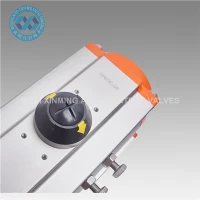
Inspect the valve regularly for any signs of wear, corrosion, or leakage. Check the actuator (if it's an actuated valve) to ensure it's functioning properly. Lubricate the moving parts, such as the stem and ball, to reduce friction and wear.
If any parts are worn out, replace them immediately. Using genuine replacement parts is crucial to maintain the valve's performance. You can check out our Pneumatic threaded ball valve for some great options with reliable parts.
5. Operating Conditions Monitoring
Monitoring the operating conditions of the valve is another important aspect. Keep an eye on parameters like pressure, temperature, and flow rate.
If the pressure or temperature exceeds the valve's rated capacity, it can cause damage to the valve. Install sensors to monitor these parameters and set up alarms to alert operators when there are abnormal conditions.
For example, if the temperature suddenly rises, it could indicate a problem in the process, and the valve might need to be shut down to prevent damage. By proactively monitoring the operating conditions, we can take preventive measures to avoid valve failure.
6. Compatibility with the System
The welded ball valve should be compatible with the entire system it's installed in. Consider factors like the fluid type, viscosity, and flow direction.
If the fluid contains solid particles, the valve might need to have a design that can prevent particle accumulation. For high - viscosity fluids, a valve with a larger opening or a special flow - through design might be required.
Also, make sure the valve's flow characteristics match the system's requirements. A valve that's too small can cause excessive pressure drop, while a valve that's too large might not provide accurate flow control. You can explore our Pneumatic Actuator Tri - clamp Three Way Ball Valve for a valve that can be well - integrated into different systems.
7. Training for Operators
Proper training for operators is often overlooked but is very important. Operators should know how to operate the valve correctly, including opening and closing procedures, and how to respond to any abnormal situations.
Provide training manuals and on - site training if necessary. Make sure operators understand the valve's limitations and safety precautions. This can prevent human - error - related valve failures.
8. Spare Parts Management
Having a proper spare parts management system is crucial. Keep an inventory of essential spare parts, such as seats, seals, and stems.
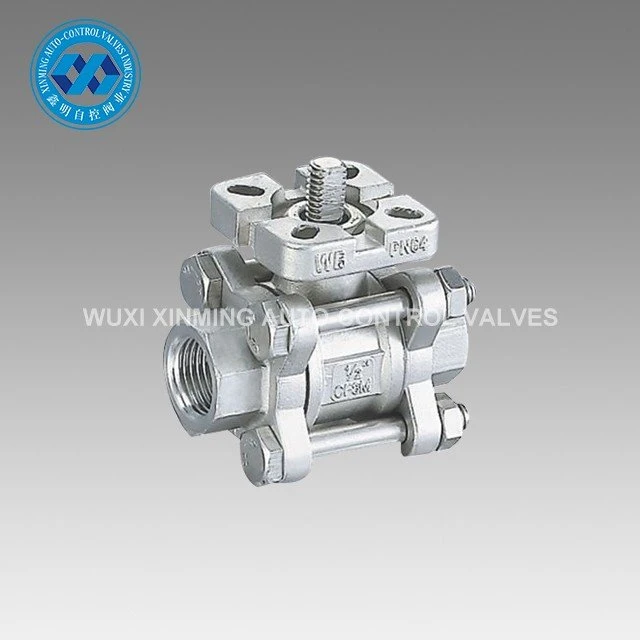
The spare parts should be stored in a dry and clean environment to prevent corrosion. Regularly check the inventory to ensure the parts are in good condition and replace any parts that are approaching their expiration date. Our 3PC Thread Ball Valve comes with easily available spare parts to ensure minimal downtime in case of a replacement.
In conclusion, ensuring the long - term stability of a welded ball valve requires a comprehensive approach. From material selection to spare parts management, every step matters. By following these tips, you can significantly extend the lifespan of your welded ball valve and avoid costly repairs and replacements.
If you're in the market for high - quality welded ball valves or have any questions about valve stability, feel free to reach out to us. We're always here to help you make the right choice for your application and ensure a smooth - running system.
References

- Valve Handbook: A Guide to Valve Technology and Applications
- ASME B16.34 - Pressure - Temperature Ratings for Valves, Flanges, Fittings, and Unfired Pressure Vessels
- API 6D - Pipeline Valves - Specification for Pipeline Valves